THE ADVENTURE COLLECTIVE® · Independent discovery and booking for outdoor travel

Covering Tarangire, Ngorongoro, the Serengeti and Zanzibar, this 12-day private safari combines full-day game drives with coastal relaxation. It’s tailored for close wildlife viewing and seamless transfers between parks and the Indian Ocean.
Covering Tarangire, Ngorongoro, the Serengeti and Zanzibar, this 12-day private safari combines full-day game drives with coastal relaxation. It’s tailored for close wildlife viewing and seamless transfers between parks and the Indian Ocean.
You step into the morning light as the jeep eases across the scrubby floodplain—acacia silhouettes sharp against a pale sky, the Tarangire River daring you to look closer where elephants gather like weather.
Verified experiences and guided adventures in the surrounding area.
Operated by Triple Africa Adventures · Arusha, Arusha Region
You step into the morning light as the jeep eases across the scrubby floodplain—acacia silhouettes sharp against a pale sky, the Tarangire River daring you to look closer where elephants gather like weather.
Over twelve days you move through tectonic stories and living ecosystems: the Ngorongoro Crater, a collapsed volcano that now holds a dense mix of plains and forest; the Serengeti’s open sea of grass that channels the wildebeest migration; and Zanzibar’s coral-ringed shores, shaped by centuries of trade and spice cultivation. Maasai herders and coastal Swahili culture both thread human history through the land—guides often point out ancient footpaths, old obsidian shards, and the layered influences visible in Stone Town’s carved doors.
Expect daily game drives from dawn and late-afternoon light, short internal flights to Zanzibar, and evenings in tented camps or lodges with locally sourced meals. Wildlife viewing is best in the dry months (June–November) for concentrated sightings, though birdlife and lone predators reward visits year-round. Practicalities: carry binoculars, a lightweight rain shell, and sunscreen; drink bottled water and allow time for transit between parks. Respect park rules—stay in vehicles, keep noise low, and don’t feed animals. For the beach portion, plan reef-safe sunscreen and a snorkel; for inland days, wear broken-in walking shoes and keep layers for sharp early-morning cold. This itinerary balances close wildlife encounters with restorative coastal time—photo opportunities are constant, but patience and timing make the best frames.
Yes—malaria risk exists in many areas of Tanzania; consult your doctor before travel for appropriate prophylaxis and take mosquito precautions at dusk and night.
This itinerary includes an internal flight from the Serengeti airstrip to Zanzibar as part of the multi-day plan—confirm timing at booking.
You may—migration timing varies; July–November is the best window for Mara crossings in the northern Serengeti, but sightings can’t be guaranteed.
Yes—accommodations range from tented camps to lodges; family-friendly options are typically available but check room types and age policies when booking.
Triple Africa Adventures operates guided outdoor trips and adventures with an emphasis on safety, stewardship, and memorable experiences.



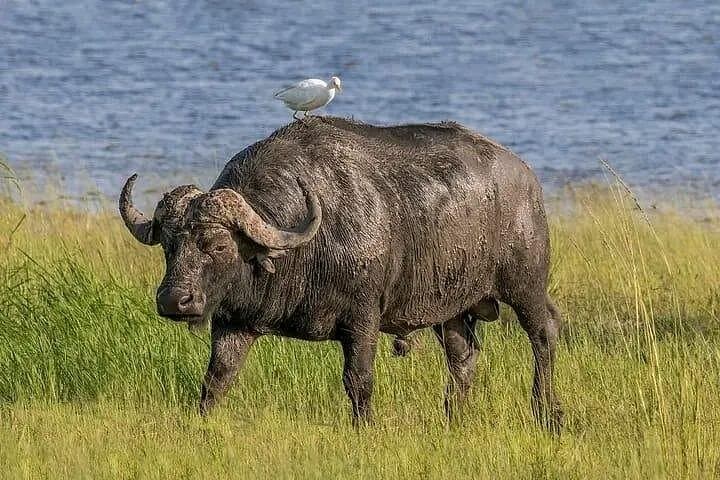
You step into the morning light as the jeep eases across the scrubby floodplain—acacia silhouettes sharp against a pale sky, the Tarangire River daring you to look closer where elephants gather like weather.
You step into the morning light as the jeep eases across the scrubby floodplain—acacia silhouettes sharp against a pale sky, the Tarangire River daring you to look closer where elephants gather like weather.
Over twelve days you move through tectonic stories and living ecosystems: the Ngorongoro Crater, a collapsed volcano that now holds a dense mix of plains and forest; the Serengeti’s open sea of grass that channels the wildebeest migration; and Zanzibar’s coral-ringed shores, shaped by centuries of trade and spice cultivation. Maasai herders and coastal Swahili culture both thread human history through the land—guides often point out ancient footpaths, old obsidian shards, and the layered influences visible in Stone Town’s carved doors.
Expect daily game drives from dawn and late-afternoon light, short internal flights to Zanzibar, and evenings in tented camps or lodges with locally sourced meals. Wildlife viewing is best in the dry months (June–November) for concentrated sightings, though birdlife and lone predators reward visits year-round. Practicalities: carry binoculars, a lightweight rain shell, and sunscreen; drink bottled water and allow time for transit between parks. Respect park rules—stay in vehicles, keep noise low, and don’t feed animals. For the beach portion, plan reef-safe sunscreen and a snorkel; for inland days, wear broken-in walking shoes and keep layers for sharp early-morning cold. This itinerary balances close wildlife encounters with restorative coastal time—photo opportunities are constant, but patience and timing make the best frames.