THE ADVENTURE COLLECTIVE® · Independent discovery and booking for outdoor travel

A compact 12-day loop through Rajasthan combining city palaces, the Taj Mahal, and two tiger safaris at Ranthambore. Travelers should expect multiple long drives, early-morning game drives, and a mix of cultural walking tours and wildlife watching.
A compact 12-day loop through Rajasthan combining city palaces, the Taj Mahal, and two tiger safaris at Ranthambore. Travelers should expect multiple long drives, early-morning game drives, and a mix of cultural walking tours and wildlife watching.
You step out into early Delhi humidity and the tour unfurls: a breakfast rickshaw through Chandni Chowk, a sunset over Udaipur's lake, and at dawn the jungle breathing around a Ranthambore jeep. The route threads Mughal marble and Rajput sandstone, desert plains and the green pockets where tigers still move like weather.
Verified experiences and guided adventures in the surrounding area.
Operated by Indian Golden Triangle Tour · Jaipur, Rajasthan
You step out into early Delhi humidity and the tour unfurls: a breakfast rickshaw through Chandni Chowk, a sunset over Udaipur's lake, and at dawn the jungle breathing around a Ranthambore jeep. The route threads Mughal marble and Rajput sandstone, desert plains and the green pockets where tigers still move like weather.
Rajasthan's story is both cultural and geological. The region is sculpted by the ancient Aravalli Range and centuries of palace-building—Amber, Mehrangarh, and the City Palace in Udaipur—each a chapter in Rajput and Mughal rivalry and artistry. Pushkar's sacred lake and Agra's Taj Mahal anchor layers of faith, pilgrimage and imperial ambition.
Expect travel days: frequent drives of 3–6 hours between cities, two full days of game drives in Ranthambore (each 3–4 hours, early morning and late afternoon), and walking tours through forts and bazaars with uneven stone steps and narrow lanes. The itinerary balances timed cultural visits (UNESCO sites like Humayun’s Tomb and Qutub Minar) with wildlife viewing—binoculars earn their keep.
Practical edge: mornings are when wildlife is active and crowds are thin at monuments. Dress modestly for temples and city tours; carry layered clothing for cool desert mornings and hot afternoons. Hydrate continually—bottled water is provided on tour, but a refillable bottle with purifier tablets adds flexibility. Expect basic to comfortable 3–5 star hotels, private AC transfers, local guides, and the tempo of organized travel: punctual, structured, immersive.
October–March (fall to winter) offers the most comfortable temperatures and clear skies; September post-monsoon is also good for wildlife visibility.
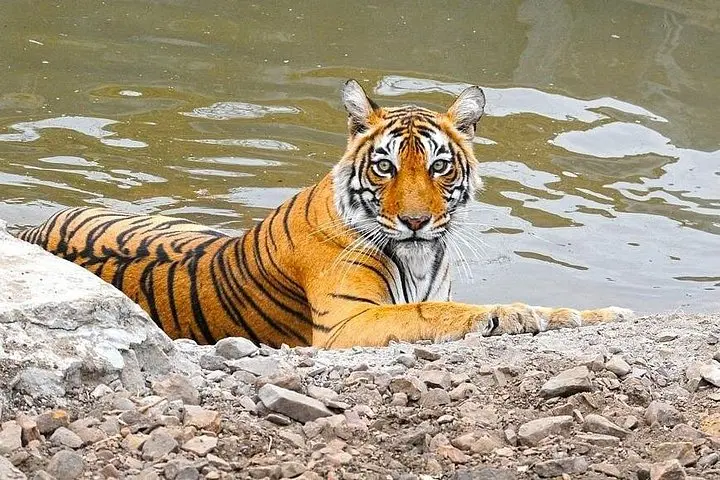
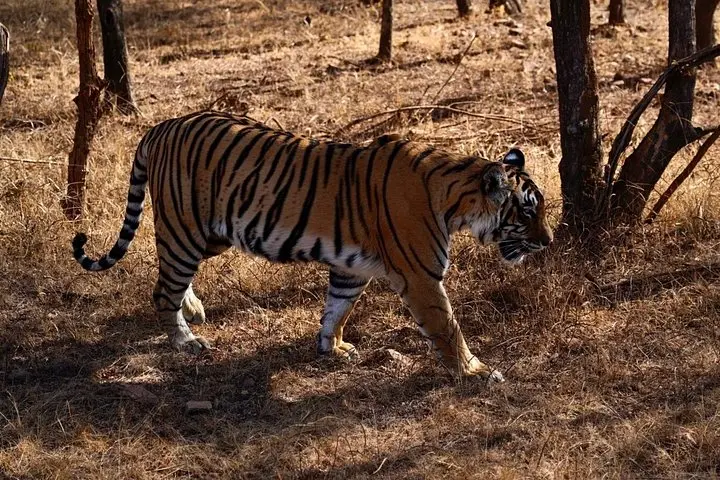
No—sightings aren’t guaranteed. Two game drives increase chances, but visibility depends on season, weather, and tiger movement.
Most international visitors require a valid Indian visa—check your nationality-specific e-visa requirements well before travel.
The package includes 11 nights in 3–5 star hotels (twin-sharing) with private AC transfers; specific hotels depend on booking choices.
Indian Golden Triangle Tour operates guided outdoor trips and adventures with an emphasis on safety, stewardship, and memorable experiences.
You step out into early Delhi humidity and the tour unfurls: a breakfast rickshaw through Chandni Chowk, a sunset over Udaipur's lake, and at dawn the jungle breathing around a Ranthambore jeep. The route threads Mughal marble and Rajput sandstone, desert plains and the green pockets where tigers still move like weather.
You step out into early Delhi humidity and the tour unfurls: a breakfast rickshaw through Chandni Chowk, a sunset over Udaipur's lake, and at dawn the jungle breathing around a Ranthambore jeep. The route threads Mughal marble and Rajput sandstone, desert plains and the green pockets where tigers still move like weather.
Rajasthan's story is both cultural and geological. The region is sculpted by the ancient Aravalli Range and centuries of palace-building—Amber, Mehrangarh, and the City Palace in Udaipur—each a chapter in Rajput and Mughal rivalry and artistry. Pushkar's sacred lake and Agra's Taj Mahal anchor layers of faith, pilgrimage and imperial ambition.
Expect travel days: frequent drives of 3–6 hours between cities, two full days of game drives in Ranthambore (each 3–4 hours, early morning and late afternoon), and walking tours through forts and bazaars with uneven stone steps and narrow lanes. The itinerary balances timed cultural visits (UNESCO sites like Humayun’s Tomb and Qutub Minar) with wildlife viewing—binoculars earn their keep.
Practical edge: mornings are when wildlife is active and crowds are thin at monuments. Dress modestly for temples and city tours; carry layered clothing for cool desert mornings and hot afternoons. Hydrate continually—bottled water is provided on tour, but a refillable bottle with purifier tablets adds flexibility. Expect basic to comfortable 3–5 star hotels, private AC transfers, local guides, and the tempo of organized travel: punctual, structured, immersive.