THE ADVENTURE COLLECTIVE® · Independent discovery and booking for outdoor travel

A compact 12-day circuit combining Rajput palaces and two Ranthambore safaris with sunrise and sunset visits to the Taj Mahal. Early mornings, long scenic transfers and concentrated wildlife viewing define the pace.
A compact 12-day circuit combining Rajput palaces and two Ranthambore safaris with sunrise and sunset visits to the Taj Mahal. Early mornings, long scenic transfers and concentrated wildlife viewing define the pace.
You step out before dawn on the final morning, cool air pushing at your jacket as the Taj Mahal glows across the Yamuna—a sunrise that stills conversation and sharpens every tile of inlaid marble.
Verified experiences and guided adventures in the surrounding area.
Operated by Jaipur Trip · New Delhi, Delhi
You step out before dawn on the final morning, cool air pushing at your jacket as the Taj Mahal glows across the Yamuna—a sunrise that stills conversation and sharpens every tile of inlaid marble.
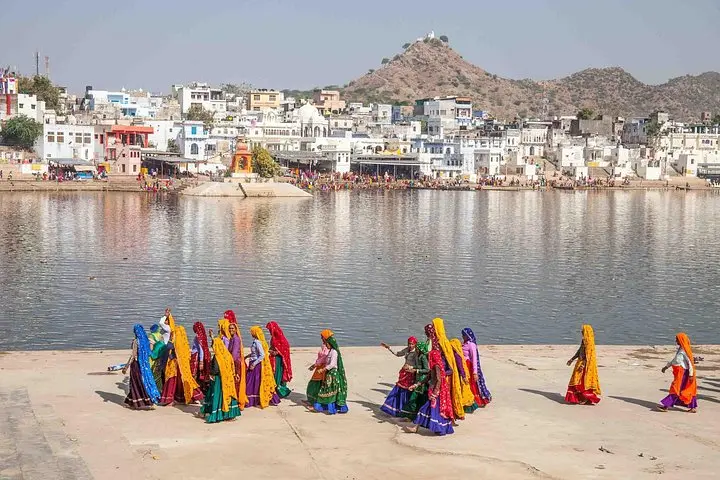
This 12-day loop through northern India pairs two of the region's strongest draws: Rajasthan's princely cities and Ranthambore's tiger country. Starting in New Delhi, the route threads through Jaipur's fortified palaces, Jodhpur's blue-walled alleys, Udaipur's lakefront courts and the pilgrimage calm of Pushkar, with two focused game drives in Ranthambore and both sunrise and sunset views at Agra's Taj Mahal.
Rajasthan's landscape sits on the arid edge of the Thar Desert and older Vindhyan and Aravalli ranges, giving forts and temples dramatic rocky backdrops. Culturally, the itinerary highlights Rajput court architecture and Mughal-era planning—Qutub Minar, Amber Fort, Mehrangarh and the Mughal gardens that orient Agra and the Taj.
Practically, expect long but scenic drives—many transfers run 4–6 hours—with early mornings for safaris (3–4 hour drives) and shorter walking tours in city centers. Pack sun protection, a compact pair of binoculars for wildlife viewing, and modest, breathable clothing for temple visits. Hydrate on the road; bottled water is typically provided.
Book Ranthambore safaris in advance and aim for winter through early spring for cooler temperatures and higher visibility of wildlife. Respect park rules, keep noise to a minimum on drives, and allow time in each city to move at the slower pace the region rewards.
No—sightings are never guaranteed; Ranthambore is a protected, wild population. Early morning and late afternoon drives increase chances, and park guides know recent movements.
October to March offers cooler temperatures and clearer skies for safaris, city sightseeing and sunrise views at the Taj.
Yes—most transfers are by air-conditioned car and range from about 4–6 hours; expect scenic but sometimes dusty roads.
No special permits are required beyond park entry tickets booked for safaris; check routine travel vaccines and country-specific health advice before departure.
Jaipur Trip operates guided outdoor trips and adventures with an emphasis on safety, stewardship, and memorable experiences.

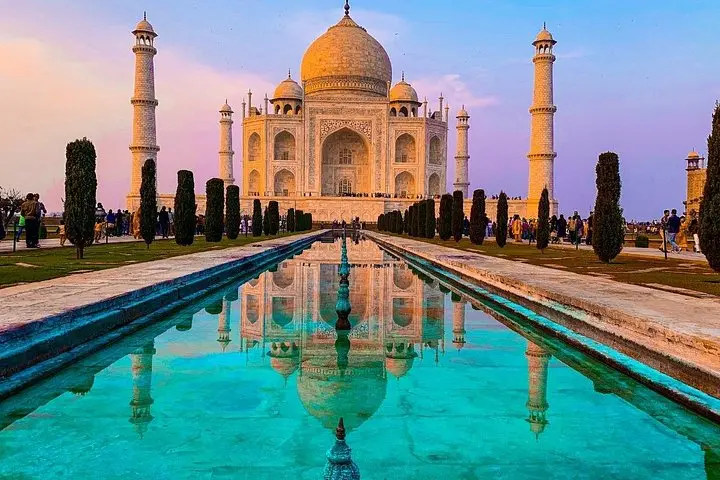

You step out before dawn on the final morning, cool air pushing at your jacket as the Taj Mahal glows across the Yamuna—a sunrise that stills conversation and sharpens every tile of inlaid marble.
You step out before dawn on the final morning, cool air pushing at your jacket as the Taj Mahal glows across the Yamuna—a sunrise that stills conversation and sharpens every tile of inlaid marble.
This 12-day loop through northern India pairs two of the region's strongest draws: Rajasthan's princely cities and Ranthambore's tiger country. Starting in New Delhi, the route threads through Jaipur's fortified palaces, Jodhpur's blue-walled alleys, Udaipur's lakefront courts and the pilgrimage calm of Pushkar, with two focused game drives in Ranthambore and both sunrise and sunset views at Agra's Taj Mahal.
Rajasthan's landscape sits on the arid edge of the Thar Desert and older Vindhyan and Aravalli ranges, giving forts and temples dramatic rocky backdrops. Culturally, the itinerary highlights Rajput court architecture and Mughal-era planning—Qutub Minar, Amber Fort, Mehrangarh and the Mughal gardens that orient Agra and the Taj.
Practically, expect long but scenic drives—many transfers run 4–6 hours—with early mornings for safaris (3–4 hour drives) and shorter walking tours in city centers. Pack sun protection, a compact pair of binoculars for wildlife viewing, and modest, breathable clothing for temple visits. Hydrate on the road; bottled water is typically provided.
Book Ranthambore safaris in advance and aim for winter through early spring for cooler temperatures and higher visibility of wildlife. Respect park rules, keep noise to a minimum on drives, and allow time in each city to move at the slower pace the region rewards.