THE ADVENTURE COLLECTIVE® · Independent discovery and booking for outdoor travel

A demanding 12-day circuit over Ethiopia’s Simien plateau, this trek culminates with Ras Dashen at 4,550 m and blends high-altitude scrambling, endemic wildlife and nights with local crews in remote camps. Expect long days, dramatic escarpments and meaningful village encounters.
A demanding 12-day circuit over Ethiopia’s Simien plateau, this trek culminates with Ras Dashen at 4,550 m and blends high-altitude scrambling, endemic wildlife and nights with local crews in remote camps. Expect long days, dramatic escarpments and meaningful village encounters.
The trail opens before dawn: a headlamp-scatter of hikers, muleteers and cooks threading a high escarpment as the sky behind Ras Dashen slowly lightens. Cold air bites at 3,500–4,000 m while the plateau ahead spills into serrated ridgelines and sheer drops; vultures wheel and the gelada troops watch from rocky outcrops.
Verified experiences and guided adventures in the surrounding area.
Operated by WALK IN ETHIOPIA TOUR AND TRAVEL · Gondar, Amhara
The trail opens before dawn: a headlamp-scatter of hikers, muleteers and cooks threading a high escarpment as the sky behind Ras Dashen slowly lightens. Cold air bites at 3,500–4,000 m while the plateau ahead spills into serrated ridgelines and sheer drops; vultures wheel and the gelada troops watch from rocky outcrops.
The Simien range is an uplifted lava plateau carved by millennia of erosion. Designated a UNESCO World Heritage Site, its geology reads like a pageant of basalt flows, escarpments and deep valleys. Human history here is layered — from Amhara highland farming terraces to the imperial courts of nearby Gondar; village churches and coffee ceremonies punctuate long days on trail.
Expect a full 12-day circuit that begins in Debark/Gondar, pushes over high passes (Bwahit ~4,200 m), and climbs Ras Dashen (≈4,550 m) — Ethiopia’s highest peak. Daily walking typically ranges from 4–8 hours on mixed terrain: packed soil, rock steps, steep scree and short hands-on scrambling near the summit. Nights are spent in tents or simple campsites serviced by local crews and mules, offering hearty stews and hot tea after long days of altitude and exposure.
Practical edge: acclimatize gradually, carry layers for sub-zero nights, and plan for sudden weather shifts. Water sources exist at lowland streams but treat or boil; entry fees support park rangers and local conservation. The trek is demanding but richly rewarding: wildlife encounters (gelada and Walia ibex), dramatic viewpoints and genuine interaction with Amhara villages make each hard step count.
You need strong cardiovascular fitness and experience with full days of hiking at altitude; the summit day is long, steep and includes short sections of scrambling.
Most organized tours include Simien National Park entry fees and local guide services; confirm with your operator before departure.
The Simien Mountains are home to gelada baboons and the endemic Walia ibex; birdlife includes lammergeiers and Verreaux’s eagle.
Ascend slowly, hydrate, avoid alcohol, and communicate symptoms to guides; descend if headaches, nausea or severe breathlessness develop.
WALK IN ETHIOPIA TOUR AND TRAVEL operates guided outdoor trips and adventures with an emphasis on safety, stewardship, and memorable experiences.
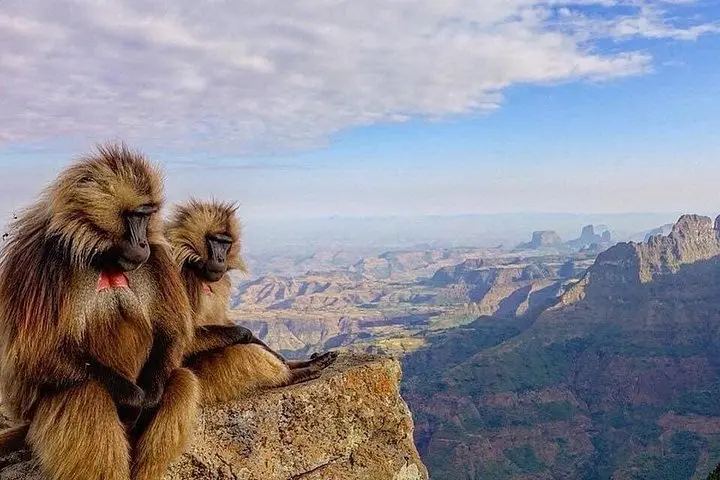
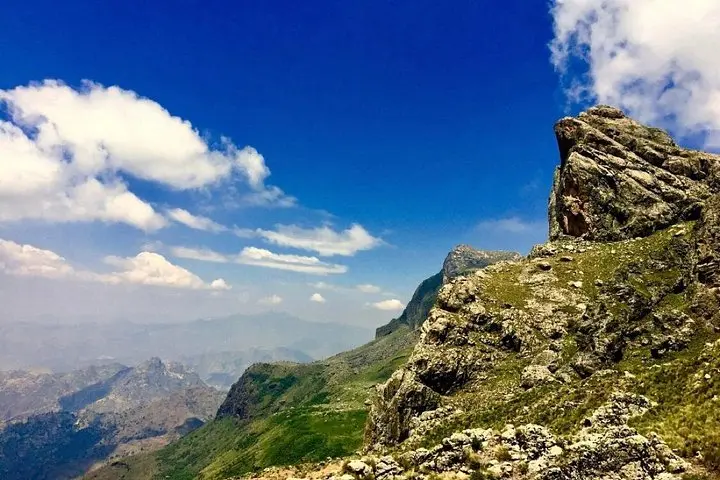
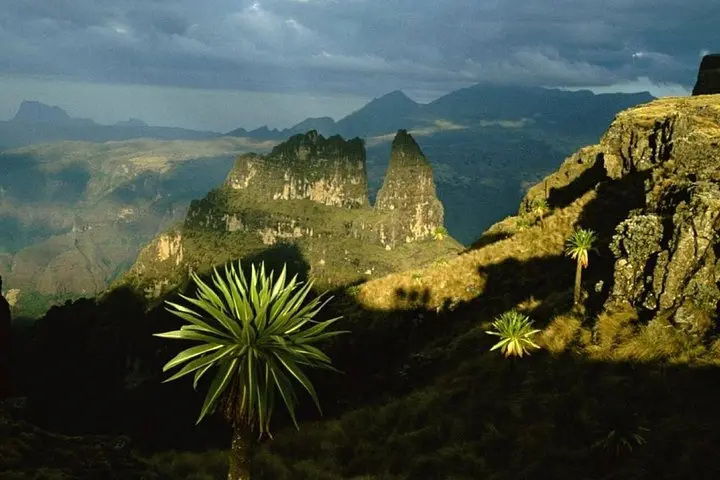
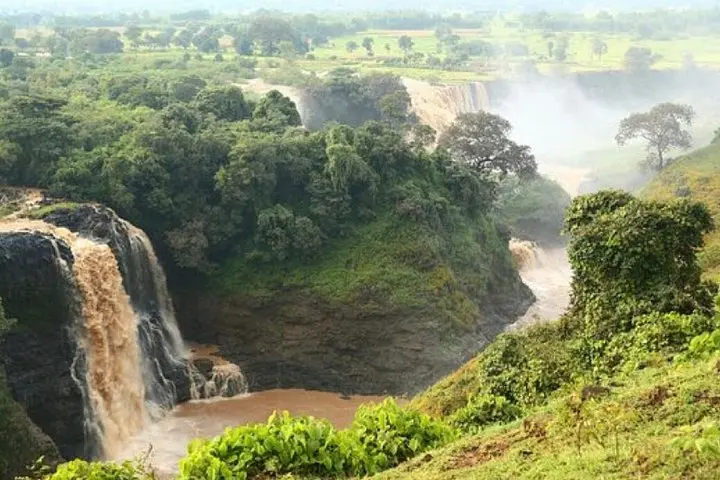
The trail opens before dawn: a headlamp-scatter of hikers, muleteers and cooks threading a high escarpment as the sky behind Ras Dashen slowly lightens. Cold air bites at 3,500–4,000 m while the plateau ahead spills into serrated ridgelines and sheer drops; vultures wheel and the gelada troops watch from rocky outcrops.
The trail opens before dawn: a headlamp-scatter of hikers, muleteers and cooks threading a high escarpment as the sky behind Ras Dashen slowly lightens. Cold air bites at 3,500–4,000 m while the plateau ahead spills into serrated ridgelines and sheer drops; vultures wheel and the gelada troops watch from rocky outcrops.
The Simien range is an uplifted lava plateau carved by millennia of erosion. Designated a UNESCO World Heritage Site, its geology reads like a pageant of basalt flows, escarpments and deep valleys. Human history here is layered — from Amhara highland farming terraces to the imperial courts of nearby Gondar; village churches and coffee ceremonies punctuate long days on trail.
Expect a full 12-day circuit that begins in Debark/Gondar, pushes over high passes (Bwahit ~4,200 m), and climbs Ras Dashen (≈4,550 m) — Ethiopia’s highest peak. Daily walking typically ranges from 4–8 hours on mixed terrain: packed soil, rock steps, steep scree and short hands-on scrambling near the summit. Nights are spent in tents or simple campsites serviced by local crews and mules, offering hearty stews and hot tea after long days of altitude and exposure.
Practical edge: acclimatize gradually, carry layers for sub-zero nights, and plan for sudden weather shifts. Water sources exist at lowland streams but treat or boil; entry fees support park rangers and local conservation. The trek is demanding but richly rewarding: wildlife encounters (gelada and Walia ibex), dramatic viewpoints and genuine interaction with Amhara villages make each hard step count.