THE ADVENTURE COLLECTIVE® · Independent discovery and booking for outdoor travel

A 13-day circuit from Madrid through Andalusia into Morocco, combining landmark World Heritage sites, coastal crossings and vibrant medinas. Expect comfortable drives, daily guided walks and a mix of historic cities and seaside landscapes.
A 13-day circuit from Madrid through Andalusia into Morocco, combining landmark World Heritage sites, coastal crossings and vibrant medinas. Expect comfortable drives, daily guided walks and a mix of historic cities and seaside landscapes.
A bus eases out of Madrid at dawn and the plains roll open: wheat fields give way to cork oak and olive groves, the road threading through the layered history of southern Spain before slicing across the Strait of Gibraltar into North Africa.
Verified experiences and guided adventures in the surrounding area.
Operated by REMAZ TOURS GmbH · Madrid, Community of Madrid
A bus eases out of Madrid at dawn and the plains roll open: wheat fields give way to cork oak and olive groves, the road threading through the layered history of southern Spain before slicing across the Strait of Gibraltar into North Africa.
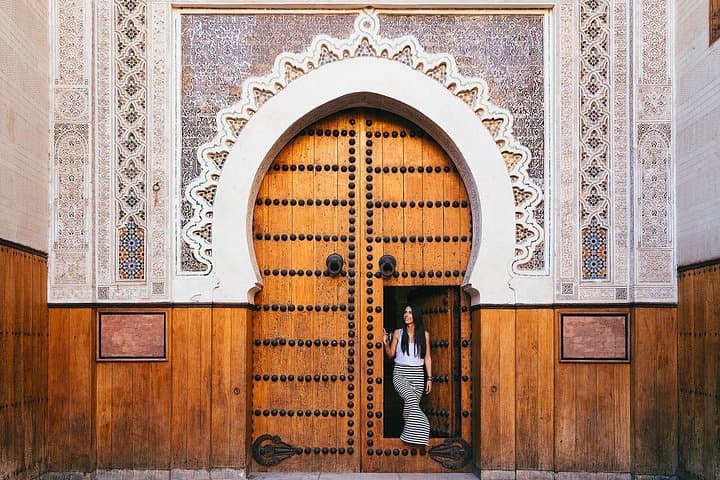
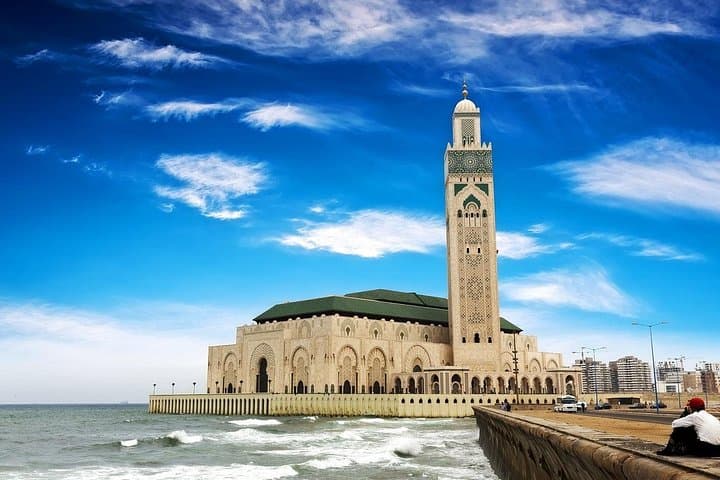
The route stitches together Roman walls, caliphal Córdoba, Seville’s cathedral, Ronda’s cliffside gorge and the Alhambra’s terraced water gardens, then crosses into Morocco to meet Casablanca’s wide boulevards, Marrakech’s bustling Jemaa el-Fna and Fez’s labyrinthine medina. Geology is visible in the abrupt drop at Ronda’s Puente Nuevo and the folded limestone ranges of Andalusia; the Atlas foothills press Morocco’s medina cities against a pre-desert light that makes color more vivid.
Culturally, the tour traces Al-Andalus: centuries of Muslim, Jewish and Christian exchange that shaped architecture, agriculture and cuisine. Travelers will pass World Heritage sites and local craft shops where damascene metalwork and ceramic traditions persist.
Practical guidance: expect long but comfortable drive days, frequent short walking tours on cobbled streets, and ferries across the strait. Bring sturdy walking shoes for uneven medina alleys, a daypack, sun protection and a light rain layer for coastal or mountain breezes. Carry passport and any visas, copies of reservation documents, and small local cash for market purchases. Hydrate on hot inland days and plan room for slow, sensory exploration—early mornings and late afternoons reveal the best light, cooler streets and quieter souks.
Visa requirements depend on nationality; many nationalities can enter Morocco visa-free short term, but confirm with your embassy well before travel.
Typical days include short guided walks in cities and sites—plan for 1–3 miles on walking days and some stairs or uneven surfaces in medinas and historic complexes.
The itinerary lists breakfasts and most dinners included (12 breakfasts and 12 dinners); check specifics for any optional meals or special dietary needs during booking.
Guides typically speak Spanish and English; in Morocco French and Arabic are common, and local guides may use multilingual commentary.
REMAZ TOURS GmbH operates guided outdoor trips and adventures with an emphasis on safety, stewardship, and memorable experiences.


A bus eases out of Madrid at dawn and the plains roll open: wheat fields give way to cork oak and olive groves, the road threading through the layered history of southern Spain before slicing across the Strait of Gibraltar into North Africa.
A bus eases out of Madrid at dawn and the plains roll open: wheat fields give way to cork oak and olive groves, the road threading through the layered history of southern Spain before slicing across the Strait of Gibraltar into North Africa.
The route stitches together Roman walls, caliphal Córdoba, Seville’s cathedral, Ronda’s cliffside gorge and the Alhambra’s terraced water gardens, then crosses into Morocco to meet Casablanca’s wide boulevards, Marrakech’s bustling Jemaa el-Fna and Fez’s labyrinthine medina. Geology is visible in the abrupt drop at Ronda’s Puente Nuevo and the folded limestone ranges of Andalusia; the Atlas foothills press Morocco’s medina cities against a pre-desert light that makes color more vivid.
Culturally, the tour traces Al-Andalus: centuries of Muslim, Jewish and Christian exchange that shaped architecture, agriculture and cuisine. Travelers will pass World Heritage sites and local craft shops where damascene metalwork and ceramic traditions persist.
Practical guidance: expect long but comfortable drive days, frequent short walking tours on cobbled streets, and ferries across the strait. Bring sturdy walking shoes for uneven medina alleys, a daypack, sun protection and a light rain layer for coastal or mountain breezes. Carry passport and any visas, copies of reservation documents, and small local cash for market purchases. Hydrate on hot inland days and plan room for slow, sensory exploration—early mornings and late afternoons reveal the best light, cooler streets and quieter souks.