THE ADVENTURE COLLECTIVE® · Independent discovery and booking for outdoor travel

Traverse rivers, monasteries and high passes on the classic Annapurna Circuit. Over 13 days this lodge-based trek climbs to Thorong La (5,416 m) and finishes at sacred Muktinath — a demanding route where acclimatization and steady pacing are everything.
Traverse rivers, monasteries and high passes on the classic Annapurna Circuit. Over 13 days this lodge-based trek climbs to Thorong La (5,416 m) and finishes at sacred Muktinath — a demanding route where acclimatization and steady pacing are everything.
Early in the morning the trail unfurls — stone steps, terraced fields, and prayer flags snapping in a thin, cold air. Hikers move from subtropical valleys to a sparse high-alpine world, trading rice paddies for wind-polished scree as the trail climbs toward Thorong La Pass. The route tightens and widens in turns: village lanes with yak bells, long ridgelines, and finally the exposed saddle that tests every breath.
Verified experiences and guided adventures in the surrounding area.
Operated by Blissful Himalayas · Manang, Gandaki Province
Early in the morning the trail unfurls — stone steps, terraced fields, and prayer flags snapping in a thin, cold air. Hikers move from subtropical valleys to a sparse high-alpine world, trading rice paddies for wind-polished scree as the trail climbs toward Thorong La Pass. The route tightens and widens in turns: village lanes with yak bells, long ridgelines, and finally the exposed saddle that tests every breath.
The Annapurna Circuit follows ancient trade routes between Tibet and the Nepali lowlands; geology here is dramatic, with steep river gorges carved by glacial melt and folded rock revealing the collision of the Indian and Eurasian plates. Culturally the trek passes Gurung and Manangi communities, Buddhist monasteries, mani walls and chortens — reminders that this is both a livelihood corridor and a living pilgrimage.
Expect lodge-to-lodge (tea-house) accommodations, a steady progression of altitude with an acclimatization day in Manang, and the single toughest day over Thorong La (5,416 m) followed by descent to the sacred Muktinath. Weather shifts quickly; morning clarity can give way to wind-driven clouds by noon. Practical planning matters: pace for altitude, hydrate deliberately, carry layered insulation, and budget for basic amenities in remote sections.
This itinerary suits trekkers who want a full Himalayan circuit with logistical support, hot meals each night, and the chance to stand on one of the high passes in the world — but it rewards patience and conservative pacing as much as ambition.
You need an Annapurna Conservation Area Permit (ACAP) and a Trekkers’ Information Management System (TIMS) card; these are checked at entry points.
It’s the trek’s longest, most exposed day — start before dawn, expect steep sections, thin air and a 1,000+ m elevation change from Thorong Phedi to the pass.
Tea houses provide basic private rooms, shared bathrooms and cooked meals; levels of comfort vary with remoteness but hot food and blankets are standard.
AMS can affect any trekker; guides monitor symptoms, enforce rest or descent, and carry pulse oximeters and first-aid kits; evacuation options exist but are costly.
Blissful Himalayas operates guided outdoor trips and adventures with an emphasis on safety, stewardship, and memorable experiences.
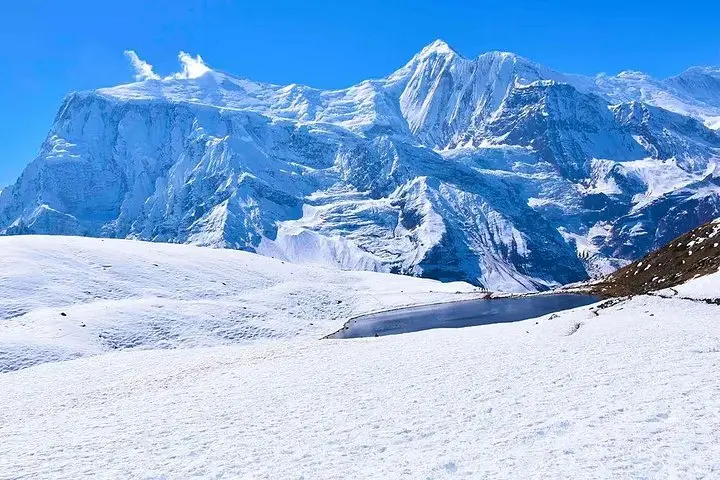
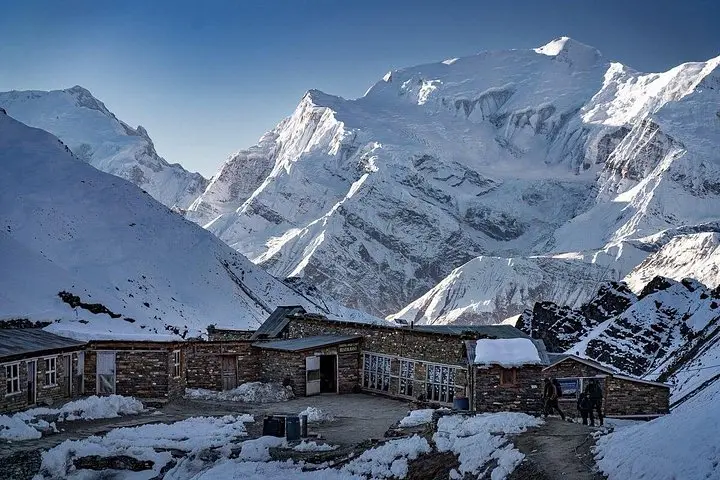
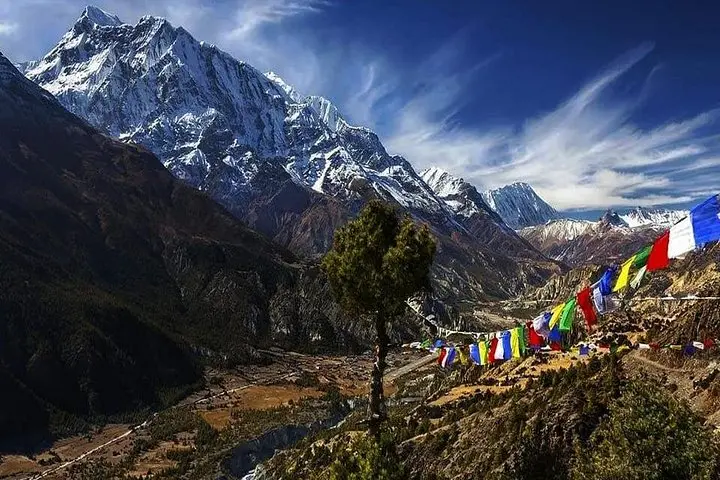
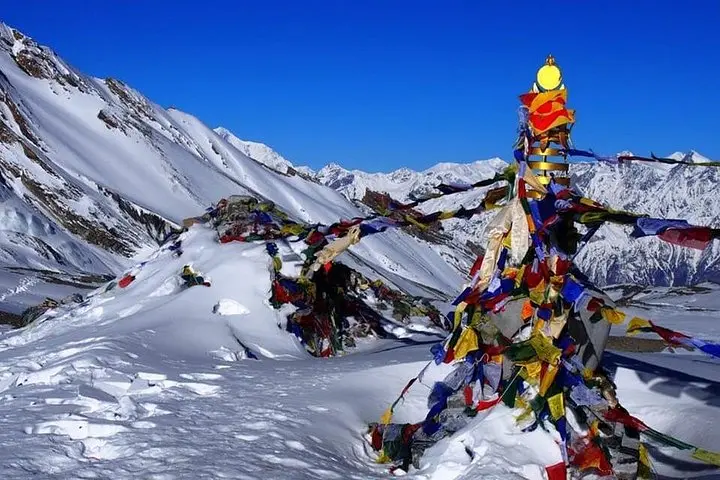
Early in the morning the trail unfurls — stone steps, terraced fields, and prayer flags snapping in a thin, cold air. Hikers move from subtropical valleys to a sparse high-alpine world, trading rice paddies for wind-polished scree as the trail climbs toward Thorong La Pass. The route tightens and widens in turns: village lanes with yak bells, long ridgelines, and finally the exposed saddle that tests every breath.
Early in the morning the trail unfurls — stone steps, terraced fields, and prayer flags snapping in a thin, cold air. Hikers move from subtropical valleys to a sparse high-alpine world, trading rice paddies for wind-polished scree as the trail climbs toward Thorong La Pass. The route tightens and widens in turns: village lanes with yak bells, long ridgelines, and finally the exposed saddle that tests every breath.
The Annapurna Circuit follows ancient trade routes between Tibet and the Nepali lowlands; geology here is dramatic, with steep river gorges carved by glacial melt and folded rock revealing the collision of the Indian and Eurasian plates. Culturally the trek passes Gurung and Manangi communities, Buddhist monasteries, mani walls and chortens — reminders that this is both a livelihood corridor and a living pilgrimage.
Expect lodge-to-lodge (tea-house) accommodations, a steady progression of altitude with an acclimatization day in Manang, and the single toughest day over Thorong La (5,416 m) followed by descent to the sacred Muktinath. Weather shifts quickly; morning clarity can give way to wind-driven clouds by noon. Practical planning matters: pace for altitude, hydrate deliberately, carry layered insulation, and budget for basic amenities in remote sections.
This itinerary suits trekkers who want a full Himalayan circuit with logistical support, hot meals each night, and the chance to stand on one of the high passes in the world — but it rewards patience and conservative pacing as much as ambition.