THE ADVENTURE COLLECTIVE® · Independent discovery and booking for outdoor travel

Trace Bosnia’s quieter routes on a 13‑day circuit from Tuzla — from medieval citadels and UNESCO sites to karst caves and waterfalls. This practical guide outlines what to expect, how to prepare, and the hidden corners that make the journey memorable.
Trace Bosnia’s quieter routes on a 13‑day circuit from Tuzla — from medieval citadels and UNESCO sites to karst caves and waterfalls. This practical guide outlines what to expect, how to prepare, and the hidden corners that make the journey memorable.
A morning in Tuzla loosens the city’s breath as the minibus eases out of town and the Dinaric ridgelines rise into view. Roads slip past karst plateaus and river canyons; villagers wave from stone courtyards while the driver points toward a fortress on a distant crest. Over the next thirteen days the itinerary moves like a map come alive — medieval walls, a 22‑metre waterfall where rivers meet, and a limestone cave system that hides species found nowhere else.
Verified experiences and guided adventures in the surrounding area.
Operated by Monterrasol Travel · Tuzla, Federation of Bosnia and Herzegovina
A morning in Tuzla loosens the city’s breath as the minibus eases out of town and the Dinaric ridgelines rise into view. Roads slip past karst plateaus and river canyons; villagers wave from stone courtyards while the driver points toward a fortress on a distant crest. Over the next thirteen days the itinerary moves like a map come alive — medieval walls, a 22‑metre waterfall where rivers meet, and a limestone cave system that hides species found nowhere else.
This circuit stitches together Bosnia’s layered history: the last strongholds of the medieval Bosnian kingdom, Ottoman-era bazaars and mosques, Austro-Hungarian streets in provincial towns and the 20th‑century marks left by conflict and recovery. Geologically the route follows the Dinaric Alps and its karst: expect limestone cliffs, subterranean streams in Vjetrenica, and rivers that have carved deep gorges. Culturally the tour spans Orthodox monasteries, Franciscan tekijas, and the living pilgrimage at Medjugorje, offering a clear view of the region’s religious diversity and winemaking traditions in Herzegovina.
Practical guide: days are full but paced for general fitness with regular hotel stays; expect cobbled streets, steep fortress steps and short hikes to viewpoints. Bring sturdy walking shoes, layered clothing for variable mountain weather, and a small daypack. Carry cash for small towns, respect religious sites (modest dress), and plan for long drives between highlights. The route rewards travelers who want historic depth and outdoor scenery without long wilderness treks.
The tour is paced for general fitness with hotel nights; most sightseeing involves walking on uneven cobbles and uphill steps but no technical hiking.
Most admissions (e.g., castles, museums, caves) are not included—bring cash or card for site fees as listed on the itinerary.
The tour is available in English and Spanish, with English-speaking drivers and guides on scheduled departures.
Private bookings can be tailored to interests and schedule—contact the operator to discuss changes and solo tour options.
Monterrasol Travel operates guided outdoor trips and adventures with an emphasis on safety, stewardship, and memorable experiences.
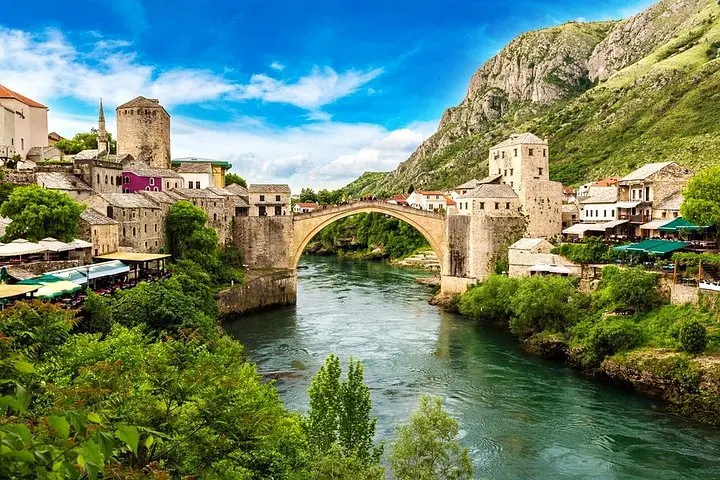
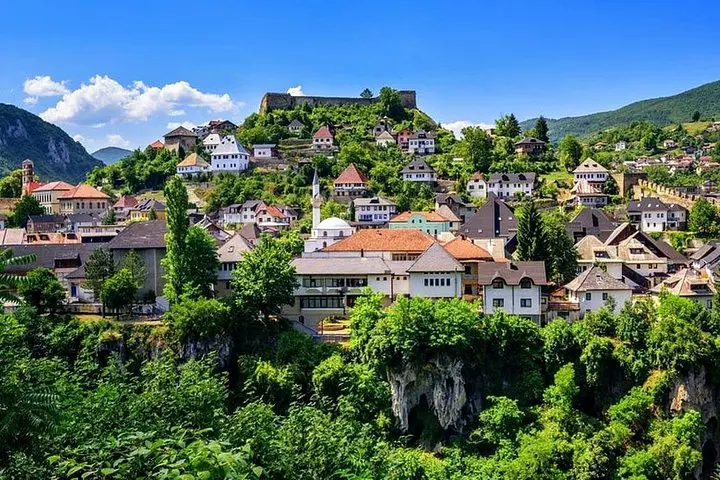
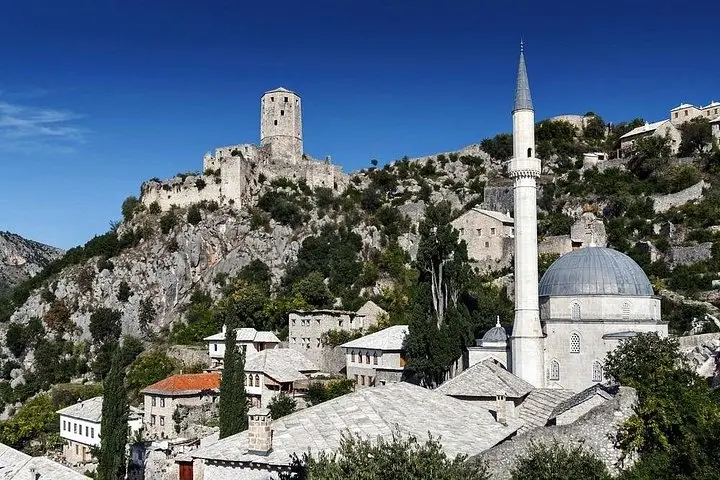
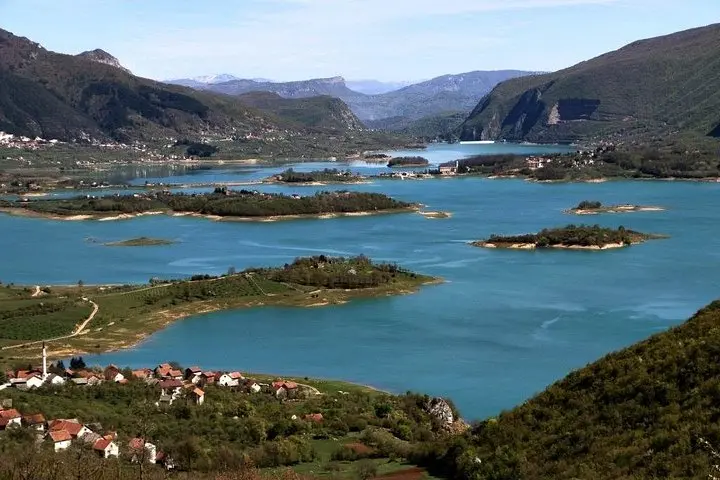
A morning in Tuzla loosens the city’s breath as the minibus eases out of town and the Dinaric ridgelines rise into view. Roads slip past karst plateaus and river canyons; villagers wave from stone courtyards while the driver points toward a fortress on a distant crest. Over the next thirteen days the itinerary moves like a map come alive — medieval walls, a 22‑metre waterfall where rivers meet, and a limestone cave system that hides species found nowhere else.
A morning in Tuzla loosens the city’s breath as the minibus eases out of town and the Dinaric ridgelines rise into view. Roads slip past karst plateaus and river canyons; villagers wave from stone courtyards while the driver points toward a fortress on a distant crest. Over the next thirteen days the itinerary moves like a map come alive — medieval walls, a 22‑metre waterfall where rivers meet, and a limestone cave system that hides species found nowhere else.
This circuit stitches together Bosnia’s layered history: the last strongholds of the medieval Bosnian kingdom, Ottoman-era bazaars and mosques, Austro-Hungarian streets in provincial towns and the 20th‑century marks left by conflict and recovery. Geologically the route follows the Dinaric Alps and its karst: expect limestone cliffs, subterranean streams in Vjetrenica, and rivers that have carved deep gorges. Culturally the tour spans Orthodox monasteries, Franciscan tekijas, and the living pilgrimage at Medjugorje, offering a clear view of the region’s religious diversity and winemaking traditions in Herzegovina.
Practical guide: days are full but paced for general fitness with regular hotel stays; expect cobbled streets, steep fortress steps and short hikes to viewpoints. Bring sturdy walking shoes, layered clothing for variable mountain weather, and a small daypack. Carry cash for small towns, respect religious sites (modest dress), and plan for long drives between highlights. The route rewards travelers who want historic depth and outdoor scenery without long wilderness treks.