THE ADVENTURE COLLECTIVE® · Independent discovery and booking for outdoor travel

A 13-day convoy adventure through northern Botswana and into Zimbabwe, this self-drive guided safari pairs the independence of roof-tent camping with the security of a local lead guide. Expect dusty tracks, river channels, close wildlife viewing and nights around the fire.
A 13-day convoy adventure through northern Botswana and into Zimbabwe, this self-drive guided safari pairs the independence of roof-tent camping with the security of a local lead guide. Expect dusty tracks, river channels, close wildlife viewing and nights around the fire.
Dawn breaks over flat, mirrored pans as a convoy of Toyota Hilux trucks pushes away from a dusty campsite—roof tents still zipped, coffee steaming. For 13 days the route threads northern Botswana’s dry salt pans, the braided channels of the Okavango, and the thunder of Victoria Falls, moving at a pace that balances exploration with self-reliant travel.
Verified experiences and guided adventures in the surrounding area.
Operated by Globtroter4x4 · Maun, North-West District
Dawn breaks over flat, mirrored pans as a convoy of Toyota Hilux trucks pushes away from a dusty campsite—roof tents still zipped, coffee steaming. For 13 days the route threads northern Botswana’s dry salt pans, the braided channels of the Okavango, and the thunder of Victoria Falls, moving at a pace that balances exploration with self-reliant travel.
This trip follows an old transport rhythm: roads worn by game drives and trade between villages. Geologically the landscape is gentle—granite kopjes at Matobo, the pale salt flats around Kubu Island, and the low-lying Okavango Delta whose seasonally shifting water defines routes and wildlife concentrations. Cultural touchpoints include community-run reserves like Khama Rhino Sanctuary and San rock-art sites in Matobo, evidence of human presence across millennia.
Expect day drives from 100–300 km between stops, largely on graded gravel and sandy tracks rather than sealed highways. The itinerary mixes campsite nights under roof tents with occasional hotel stays; vehicles come fully equipped and insured, with a local guide leading the column in his own car. Wildlife encounters are the rule—elephants pushing through riverine trees, herds of zebra and pathways of hippos in channels—and the landscape will feel active, almost watchful.
Practically: pack for heat, rain and mosquitoes (January sits in Botswana’s wet season), carry spare cash for park fees and community contributions, and be prepared to set camp each evening. Drivers should be comfortable with basic 4x4 handling and tyre changes; the guide manages route decisions and park logistics. With attention to safety and responsible camping, this self-drive convoy delivers high-contact wildlife viewing, remote nights by fire, and the kind of on-the-road freedom a guided group can still respect.
No—basic 4x4 familiarity helps, but the convoy is led by a guide and the route avoids extreme technical driving; be prepared for sand and gravel.
A valid passport is required; check yellow fever and routine travel vaccinations and confirm visa rules for Botswana and Zimbabwe with your embassy well before travel.
This tour includes Botswana National Park fees and fuel as listed, but bring extra cash for any optional activities, local contributions, or unforeseen fees.
Encounters can be close from vehicles and on guided walks—follow guide instructions, never leave the vehicle near large animals, and avoid walking alone after dark.
Globtroter4x4 operates guided outdoor trips and adventures with an emphasis on safety, stewardship, and memorable experiences.
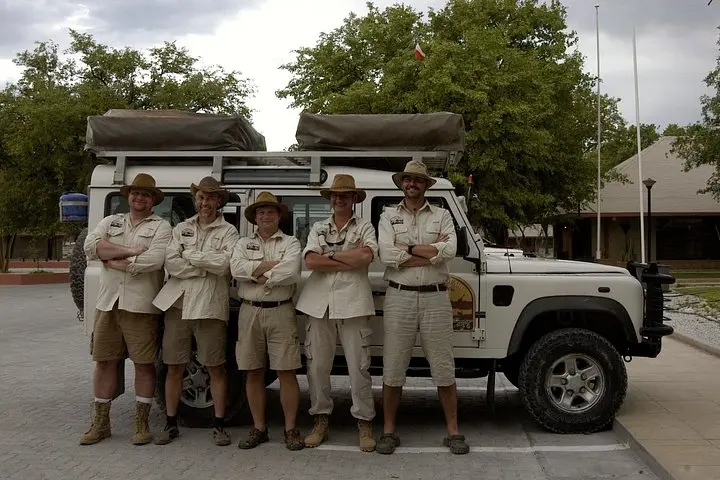
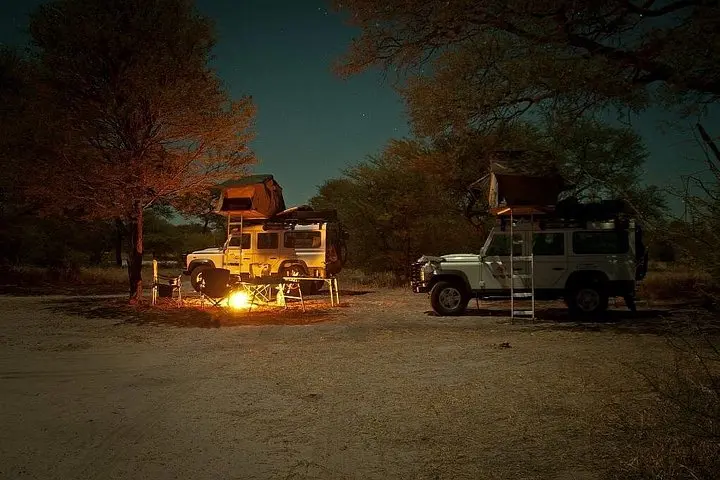
Dawn breaks over flat, mirrored pans as a convoy of Toyota Hilux trucks pushes away from a dusty campsite—roof tents still zipped, coffee steaming. For 13 days the route threads northern Botswana’s dry salt pans, the braided channels of the Okavango, and the thunder of Victoria Falls, moving at a pace that balances exploration with self-reliant travel.
Dawn breaks over flat, mirrored pans as a convoy of Toyota Hilux trucks pushes away from a dusty campsite—roof tents still zipped, coffee steaming. For 13 days the route threads northern Botswana’s dry salt pans, the braided channels of the Okavango, and the thunder of Victoria Falls, moving at a pace that balances exploration with self-reliant travel.
This trip follows an old transport rhythm: roads worn by game drives and trade between villages. Geologically the landscape is gentle—granite kopjes at Matobo, the pale salt flats around Kubu Island, and the low-lying Okavango Delta whose seasonally shifting water defines routes and wildlife concentrations. Cultural touchpoints include community-run reserves like Khama Rhino Sanctuary and San rock-art sites in Matobo, evidence of human presence across millennia.
Expect day drives from 100–300 km between stops, largely on graded gravel and sandy tracks rather than sealed highways. The itinerary mixes campsite nights under roof tents with occasional hotel stays; vehicles come fully equipped and insured, with a local guide leading the column in his own car. Wildlife encounters are the rule—elephants pushing through riverine trees, herds of zebra and pathways of hippos in channels—and the landscape will feel active, almost watchful.
Practically: pack for heat, rain and mosquitoes (January sits in Botswana’s wet season), carry spare cash for park fees and community contributions, and be prepared to set camp each evening. Drivers should be comfortable with basic 4x4 handling and tyre changes; the guide manages route decisions and park logistics. With attention to safety and responsible camping, this self-drive convoy delivers high-contact wildlife viewing, remote nights by fire, and the kind of on-the-road freedom a guided group can still respect.