THE ADVENTURE COLLECTIVE® · Independent discovery and booking for outdoor travel

Traverse Ecuador from Quito’s colonial center to Chimborazo’s high refuges and Isla de la Plata’s blue-footed boobies. This 13-day route blends highland hikes, indigenous markets, volcanic craters and coastal snorkeling—plan for altitude, varied terrain, and rich cultural encounters.
Traverse Ecuador from Quito’s colonial center to Chimborazo’s high refuges and Isla de la Plata’s blue-footed boobies. This 13-day route blends highland hikes, indigenous markets, volcanic craters and coastal snorkeling—plan for altitude, varied terrain, and rich cultural encounters.
You step out of Quito's thin, cool air and the city opens like a living map—red-tile roofs, colonial plazas, and the Andean range crouched beyond the skyline. Over the next two weeks the mountains will test your lungs, the coast will coax you into the ocean, and villages will keep you honest with food, stories, and craft.
Verified experiences and guided adventures in the surrounding area.
Operated by Ecuador Galapagos Travels · Quito, Pichincha
You step out of Quito's thin, cool air and the city opens like a living map—red-tile roofs, colonial plazas, and the Andean range crouched beyond the skyline. Over the next two weeks the mountains will test your lungs, the coast will coax you into the ocean, and villages will keep you honest with food, stories, and craft.
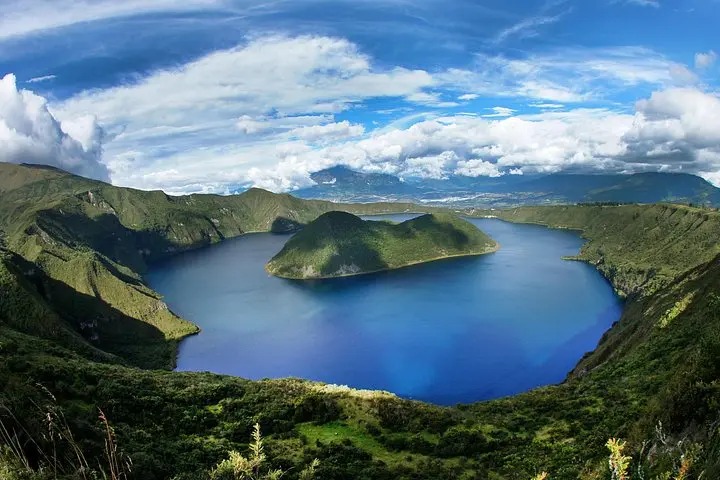
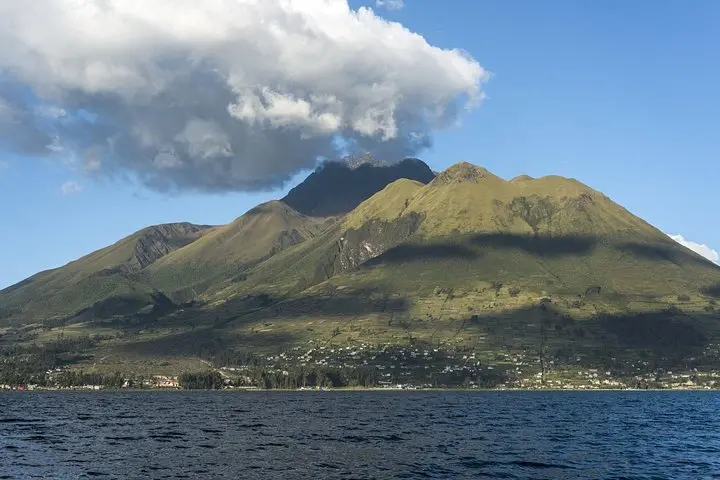
This route threads pre-Columbian sites and Spanish-era Quito through the volcanic backbone of Ecuador: Cotopaxi (5,897 m) and Chimborazo (6,263 m) define the skyline while crater-lakes like Quilotoa (≈3,914 m) and Cuicocha (≈3,068 m) reflect the highland sky. Geology here is active—ash, lava flows and glacial cirques carved the valleys you cross. Culturally, Otavalo and Guamote markets preserve Kichwa trade traditions; Ingapirca carries Kañari and Inca stones and ritual geometry.
Expect day hikes from 1–6 hours across paramo, cloud forest paths, and shoreline trails; elevation gain is the main challenge, not technical climbing. On the coast, Isla de la Plata’s trails and snorkeling reveal blue-footed boobies, sea turtles and seasonal humpback whales (June–September).
Practical notes: pace your ascent—spend early days in Quito and Otavalo to acclimatize. Bring layered clothing for 0–15°C highs in the highlands and humid, warm gear for the coast. Footwear should handle mud and volcanic scree; a small dry bag keeps cameras and wallets safe during boat days. Carry small cash for markets and support local guides—their knowledge turns ruins and ridgelines into real stories.
This is a travel plan built around altitude, culture, and marine life—expect long travel days, varied terrain, and daily surprises that reward steady breathing and curiosity.
No technical climbing is required for the itinerary; however, experience with high-altitude hiking and good fitness helps, especially on Chimborazo approaches.
Humpback whales are most commonly sighted off the coast between June and September during their migration.
Stay hydrated, ascend slowly, avoid alcohol the first days, and consult a physician about acetazolamide if you have prior altitude issues.
Basic Spanish helps, but many guides and market vendors in tourist areas speak some English; bringing a phrasebook is useful in rural stops.
Ecuador Galapagos Travels operates guided outdoor trips and adventures with an emphasis on safety, stewardship, and memorable experiences.
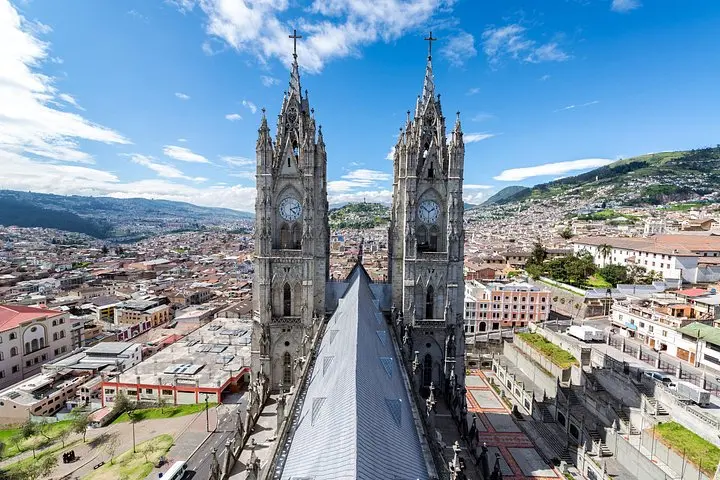
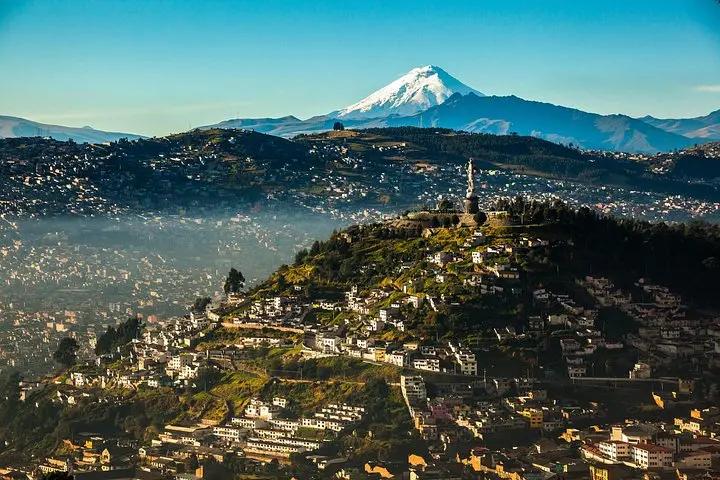
You step out of Quito's thin, cool air and the city opens like a living map—red-tile roofs, colonial plazas, and the Andean range crouched beyond the skyline. Over the next two weeks the mountains will test your lungs, the coast will coax you into the ocean, and villages will keep you honest with food, stories, and craft.
You step out of Quito's thin, cool air and the city opens like a living map—red-tile roofs, colonial plazas, and the Andean range crouched beyond the skyline. Over the next two weeks the mountains will test your lungs, the coast will coax you into the ocean, and villages will keep you honest with food, stories, and craft.
This route threads pre-Columbian sites and Spanish-era Quito through the volcanic backbone of Ecuador: Cotopaxi (5,897 m) and Chimborazo (6,263 m) define the skyline while crater-lakes like Quilotoa (≈3,914 m) and Cuicocha (≈3,068 m) reflect the highland sky. Geology here is active—ash, lava flows and glacial cirques carved the valleys you cross. Culturally, Otavalo and Guamote markets preserve Kichwa trade traditions; Ingapirca carries Kañari and Inca stones and ritual geometry.
Expect day hikes from 1–6 hours across paramo, cloud forest paths, and shoreline trails; elevation gain is the main challenge, not technical climbing. On the coast, Isla de la Plata’s trails and snorkeling reveal blue-footed boobies, sea turtles and seasonal humpback whales (June–September).
Practical notes: pace your ascent—spend early days in Quito and Otavalo to acclimatize. Bring layered clothing for 0–15°C highs in the highlands and humid, warm gear for the coast. Footwear should handle mud and volcanic scree; a small dry bag keeps cameras and wallets safe during boat days. Carry small cash for markets and support local guides—their knowledge turns ruins and ridgelines into real stories.
This is a travel plan built around altitude, culture, and marine life—expect long travel days, varied terrain, and daily surprises that reward steady breathing and curiosity.