THE ADVENTURE COLLECTIVE® · Independent discovery and booking for outdoor travel

A comprehensive 13-day route that links Cairo’s iconic pyramids with Alexandria’s coastal history, a Nile cruise through Aswan and Luxor, and beachtime in Hurghada. Expect guided temple visits, a rescued Abu Simbel, and a mix of coach, short flights and river cruising.
A comprehensive 13-day route that links Cairo’s iconic pyramids with Alexandria’s coastal history, a Nile cruise through Aswan and Luxor, and beachtime in Hurghada. Expect guided temple visits, a rescued Abu Simbel, and a mix of coach, short flights and river cruising.
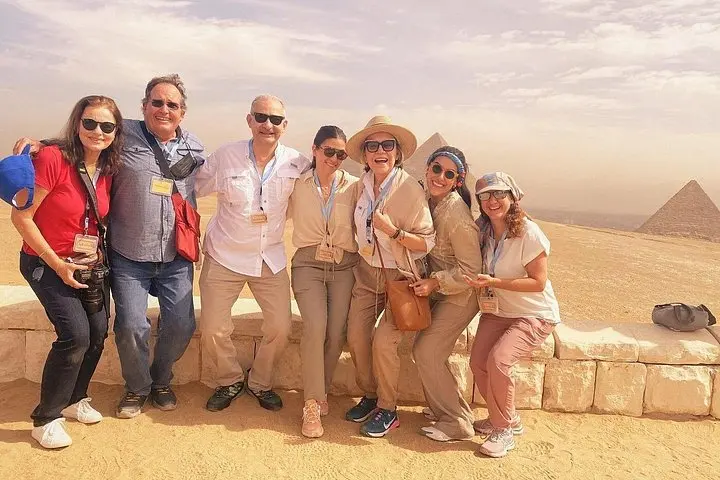
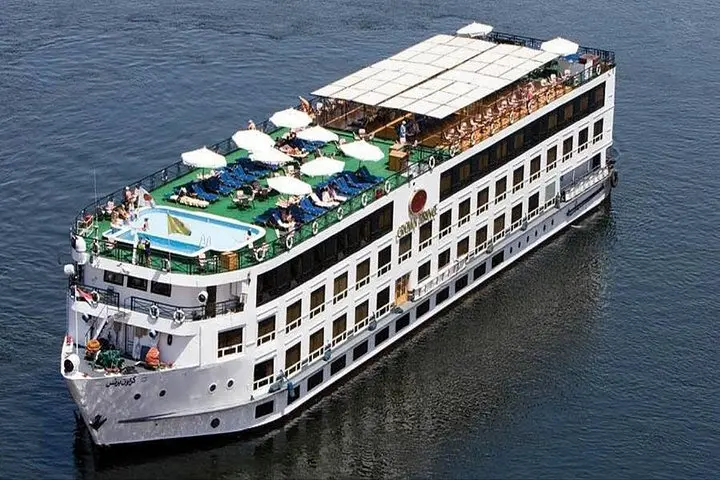
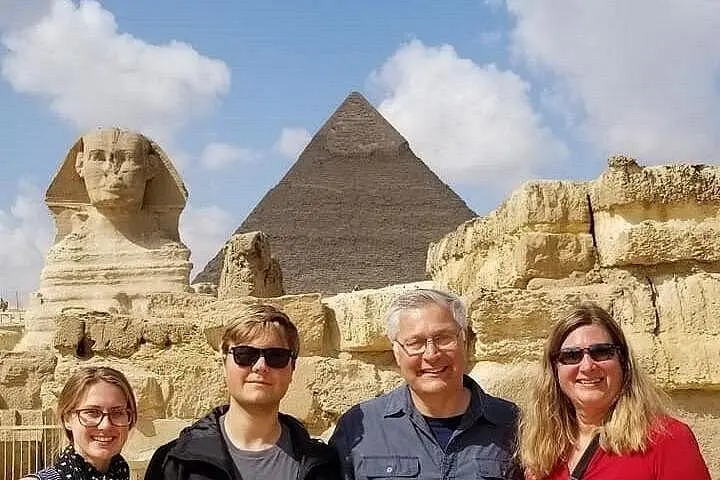
The bus eases out of Cairo at dawn and the city’s clatter thins beneath a flat, ochre horizon. By the time the Giza plateau slips into view the pyramids dominate the skyline—stone giants that still measure human ambition. Later, the Nile carries a different rhythm: the river pushes a slow, steady current past date palms and reed-lined islets as feluccas and cruise ships trade silence for low-engine chatter.
Verified experiences and guided adventures in the surrounding area.
Operated by Bastet Travel · Cairo, Cairo
The bus eases out of Cairo at dawn and the city’s clatter thins beneath a flat, ochre horizon. By the time the Giza plateau slips into view the pyramids dominate the skyline—stone giants that still measure human ambition. Later, the Nile carries a different rhythm: the river pushes a slow, steady current past date palms and reed-lined islets as feluccas and cruise ships trade silence for low-engine chatter.
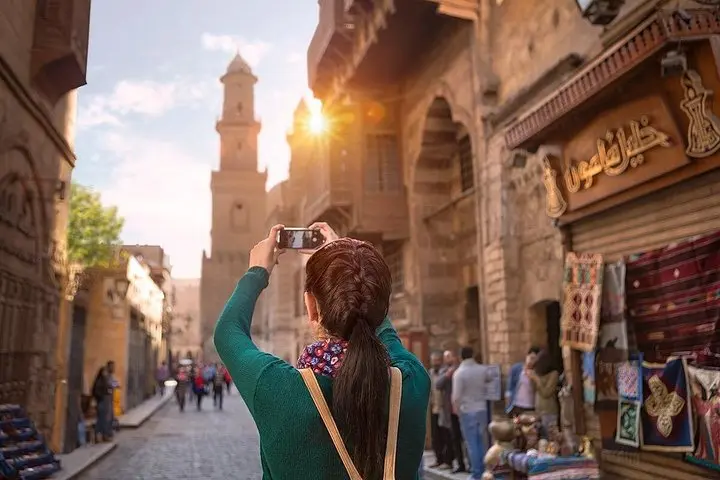
This 13-day route threads Antiquity and modern Egypt. Cairo’s pharaonic and Islamic districts reveal millennia of urban layering; Alexandria keeps the ghost of its ancient library and a Roman poise along the Mediterranean; Aswan and Luxor sit on the Nile’s spine, where temples and tombs expose precise stonework and ritual landscapes shaped by the river’s floods; Abu Simbel is a study in monumental alignment and modern rescue when the Aswan High Dam threatened to drown the past.
Geology here is straightforward—Nile alluvium against Cretaceous and Paleogene limestones—and culture is immediate: Arabic and Nubian influences, market bargaining, and food built on legumes, cumin and preserved lemons. Conservation conversations run through the tour: fragile painted tombs, ongoing site management, and pressure from tourism.
Practical guidance: plan early starts to beat heat and crowds, carry a refillable water bottle and sun protection, and wear stout walking shoes for uneven temple floors. Expect transfers by air and coach, several short hikes and many stair-climbed temple chambers. Cash for small purchases and tips will smooth logistics. With an organized pace and basic fitness, the trip rewards with layered history, river scenery and a final stretch of Red Sea relaxation in Hurghada.
Most travelers require a visa; check your nationality-specific requirements and obtain a visa on arrival or an e-visa before departure.
This itinerary includes entry fees to listed historical sites and professional guides as described, but optional activities or gratuities are generally extra.
Cabins vary—some ships are wheelchair accessible and assistance is provided, but guests should check specific ship accessibility and notify operators in advance.
Tap water is not recommended; use bottled or treated water and avoid ice from uncertain sources.
Bastet Travel operates guided outdoor trips and adventures with an emphasis on safety, stewardship, and memorable experiences.
The bus eases out of Cairo at dawn and the city’s clatter thins beneath a flat, ochre horizon. By the time the Giza plateau slips into view the pyramids dominate the skyline—stone giants that still measure human ambition. Later, the Nile carries a different rhythm: the river pushes a slow, steady current past date palms and reed-lined islets as feluccas and cruise ships trade silence for low-engine chatter.
The bus eases out of Cairo at dawn and the city’s clatter thins beneath a flat, ochre horizon. By the time the Giza plateau slips into view the pyramids dominate the skyline—stone giants that still measure human ambition. Later, the Nile carries a different rhythm: the river pushes a slow, steady current past date palms and reed-lined islets as feluccas and cruise ships trade silence for low-engine chatter.
This 13-day route threads Antiquity and modern Egypt. Cairo’s pharaonic and Islamic districts reveal millennia of urban layering; Alexandria keeps the ghost of its ancient library and a Roman poise along the Mediterranean; Aswan and Luxor sit on the Nile’s spine, where temples and tombs expose precise stonework and ritual landscapes shaped by the river’s floods; Abu Simbel is a study in monumental alignment and modern rescue when the Aswan High Dam threatened to drown the past.
Geology here is straightforward—Nile alluvium against Cretaceous and Paleogene limestones—and culture is immediate: Arabic and Nubian influences, market bargaining, and food built on legumes, cumin and preserved lemons. Conservation conversations run through the tour: fragile painted tombs, ongoing site management, and pressure from tourism.
Practical guidance: plan early starts to beat heat and crowds, carry a refillable water bottle and sun protection, and wear stout walking shoes for uneven temple floors. Expect transfers by air and coach, several short hikes and many stair-climbed temple chambers. Cash for small purchases and tips will smooth logistics. With an organized pace and basic fitness, the trip rewards with layered history, river scenery and a final stretch of Red Sea relaxation in Hurghada.