THE ADVENTURE COLLECTIVE® · Independent discovery and booking for outdoor travel

A compact 13‑day circuit from Lukla to Everest Base Camp via the quieter Phortse route, this trek balances acclimatization with big alpine views and Sherpa culture. Expect long walking days, lodge stays, and unforgettable sunrise panoramas from Kala Patthar.
A compact 13‑day circuit from Lukla to Everest Base Camp via the quieter Phortse route, this trek balances acclimatization with big alpine views and Sherpa culture. Expect long walking days, lodge stays, and unforgettable sunrise panoramas from Kala Patthar.
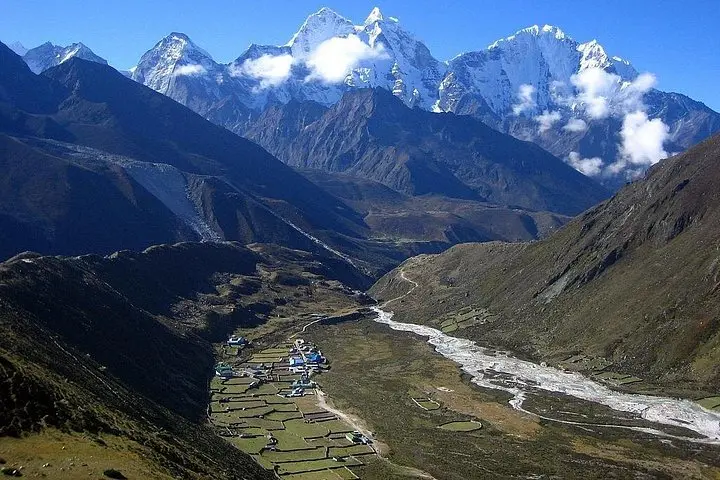
You step off the Lukla flight and the wind seems to check your pack, as if the mountains are measuring your resolve. The first day’s trail drops into the Dudh Koshi gorge, passing Sherpa farms and suspension bridges before climbing through pine and rhododendron toward Namche Bazaar — the region’s lively gateway. From there the route veers onto the quieter Phortse–Dingboche corridor, trading crowds for broad ridgelines and direct views of Ama Dablam, Lhotse and the jutting teeth of Pumori.
Verified experiences and guided adventures in the surrounding area.
Operated by Osho world Adventure · Lukla, Province No. 1
You step off the Lukla flight and the wind seems to check your pack, as if the mountains are measuring your resolve. The first day’s trail drops into the Dudh Koshi gorge, passing Sherpa farms and suspension bridges before climbing through pine and rhododendron toward Namche Bazaar — the region’s lively gateway. From there the route veers onto the quieter Phortse–Dingboche corridor, trading crowds for broad ridgelines and direct views of Ama Dablam, Lhotse and the jutting teeth of Pumori.
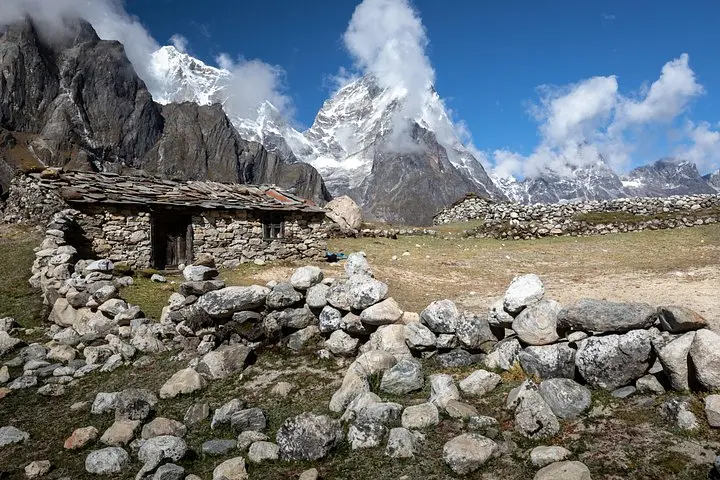
Geologically the Mahalangur Himal is recent, an uplifted slab of sedimentary and metamorphic rock thrust up by the Indian plate; glacial moraine and the Khumbu Icefall mark where the range still sculpts the land. Culturally, this is Sherpa country: mani walls, prayer flags and monasteries like Tengboche thread daily life with Tibetan Buddhism and high‑altitude pastoralism. Sagarmatha (Everest) National Park, a UNESCO site, protects these valleys and their seasonal barley terraces.
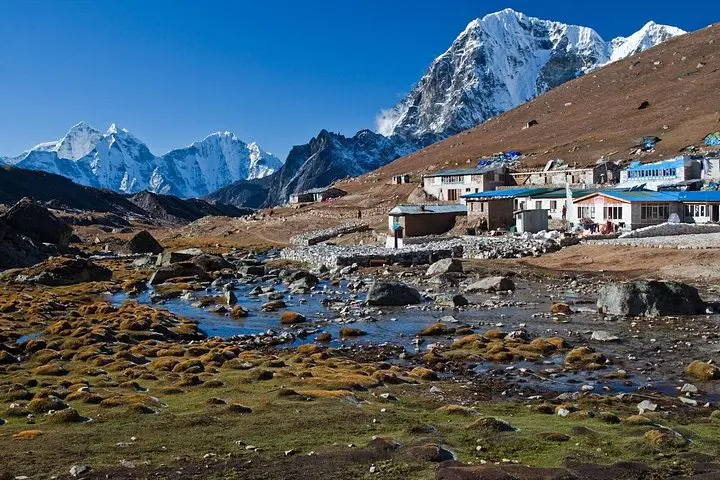
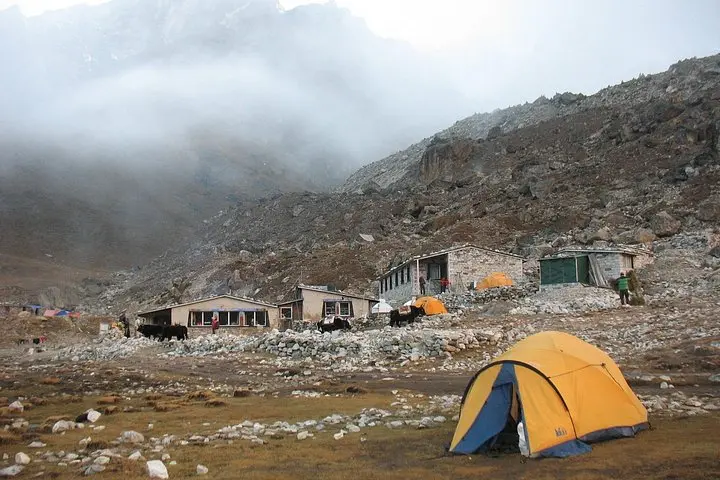
Practically: expect 5–9 hour walking days, lodges each night, and altitude gains peaking at Kala Patthar (~5,550 m). Acclimatization days in Namche and Dingboche are built into the schedule; heed them. Bring layered clothing, sturdy boots, a warm down jacket and water treatment or a thermos — hydration and body heat management are critical. Flights between Kathmandu and Lukla are weather dependent; plan buffer days.
The trek rewards with high alpine light, the roar of meltwater daring you onward, and memorable village hospitality. Move deliberately, respect altitude, and you’ll carry home more than photos: an earned sense of place at the top of the world.
Yes — you need a Sagarmatha National Park permit and TIMS; the operator typically secures these before the trek.
The Lukla flight is short (about 30–35 minutes) but crosses mountain weather; it can be delayed or rerouted, so expect flexibility in your schedule.
No technical mountaineering skills are needed, but prior multi‑day trekking experience and good cardiovascular fitness are strongly recommended.
Acclimatization days are included and guides monitor oxygen saturation; symptoms can still occur — descend immediately for severe signs and seek medical help.
Osho world Adventure operates guided outdoor trips and adventures with an emphasis on safety, stewardship, and memorable experiences.
You step off the Lukla flight and the wind seems to check your pack, as if the mountains are measuring your resolve. The first day’s trail drops into the Dudh Koshi gorge, passing Sherpa farms and suspension bridges before climbing through pine and rhododendron toward Namche Bazaar — the region’s lively gateway. From there the route veers onto the quieter Phortse–Dingboche corridor, trading crowds for broad ridgelines and direct views of Ama Dablam, Lhotse and the jutting teeth of Pumori.
You step off the Lukla flight and the wind seems to check your pack, as if the mountains are measuring your resolve. The first day’s trail drops into the Dudh Koshi gorge, passing Sherpa farms and suspension bridges before climbing through pine and rhododendron toward Namche Bazaar — the region’s lively gateway. From there the route veers onto the quieter Phortse–Dingboche corridor, trading crowds for broad ridgelines and direct views of Ama Dablam, Lhotse and the jutting teeth of Pumori.
Geologically the Mahalangur Himal is recent, an uplifted slab of sedimentary and metamorphic rock thrust up by the Indian plate; glacial moraine and the Khumbu Icefall mark where the range still sculpts the land. Culturally, this is Sherpa country: mani walls, prayer flags and monasteries like Tengboche thread daily life with Tibetan Buddhism and high‑altitude pastoralism. Sagarmatha (Everest) National Park, a UNESCO site, protects these valleys and their seasonal barley terraces.
Practically: expect 5–9 hour walking days, lodges each night, and altitude gains peaking at Kala Patthar (~5,550 m). Acclimatization days in Namche and Dingboche are built into the schedule; heed them. Bring layered clothing, sturdy boots, a warm down jacket and water treatment or a thermos — hydration and body heat management are critical. Flights between Kathmandu and Lukla are weather dependent; plan buffer days.
The trek rewards with high alpine light, the roar of meltwater daring you onward, and memorable village hospitality. Move deliberately, respect altitude, and you’ll carry home more than photos: an earned sense of place at the top of the world.