THE ADVENTURE COLLECTIVE® · Independent discovery and booking for outdoor travel

Follow rivers, soda lakes and open grassland on a 13-day Kenya birding safari that visits Samburu, Lake Nakuru, Baringo, Naivasha and the Masai Mara. Expect diverse habitats, early starts, and world-class bird and wildlife photography opportunities.
Follow rivers, soda lakes and open grassland on a 13-day Kenya birding safari that visits Samburu, Lake Nakuru, Baringo, Naivasha and the Masai Mara. Expect diverse habitats, early starts, and world-class bird and wildlife photography opportunities.
Dawn breaks over the acacia-scrub of Samburu, and the first calls arrive like a rolling score: bee-eaters darting, crowned cranes trumpeting, and distant hyenas offering a low laugh. Over thirteen days you move through a sequence of habitats—riverine gallery forest, alkaline lake shores, highland woodlands and open Mara grassland—each with its own cast of birds and predators.
Verified experiences and guided adventures in the surrounding area.
Operated by Africa Tours · Nairobi, Nairobi County
Dawn breaks over the acacia-scrub of Samburu, and the first calls arrive like a rolling score: bee-eaters darting, crowned cranes trumpeting, and distant hyenas offering a low laugh. Over thirteen days you move through a sequence of habitats—riverine gallery forest, alkaline lake shores, highland woodlands and open Mara grassland—each with its own cast of birds and predators.
This itinerary threads together sites with deep natural histories. Lake Nakuru was one of Africa's first parks established with avian conservation in mind and its soda flats still attract vast flocks of lesser flamingo when conditions allow. The Uaso Nyiro and other northern rivers shape the Samburu scrub, supporting species shared with Ethiopia and Somalia. Along the way, Maasai culture remains visible: pastoral grazing patterns shape the savannah mosaic and community conservancies play a big role in modern wildlife stewardship.
Practical guidance: expect long drives between reserves and early starts for prime bird activity; game drives are vehicle-based with short walks possible. Bring optics and a flexible lens, layer for cool mornings and hot afternoons, and plan for dusty roads—vehicle suspension can be firm. Hydration is essential, and guides will prioritize sighting windows around rivers and waterholes.
Photography and patience pay off: raptors perch on thorn trees, flocks cluster on shallows, and plain birds reveal subtle field marks at close range. With basic fitness and good gear you will move easily from riverine hides to panoramic Mara escarpments and leave with a long list of memorable species.
Travelers typically require a visa for Kenya and should consult a travel clinic about routine vaccinations and yellow fever if arriving from affected areas.
Many lodges and vehicles can accommodate limited mobility, but accessibility varies by property and reserve—confirm when booking.
Birding is excellent year-round; migration peaks from September to April for Palearctic species, while resident species are visible throughout the year.
This tour is primarily vehicle-based with optional short walks; you should be comfortable with brief on-foot excursions over uneven ground.
Africa Tours operates guided outdoor trips and adventures with an emphasis on safety, stewardship, and memorable experiences.
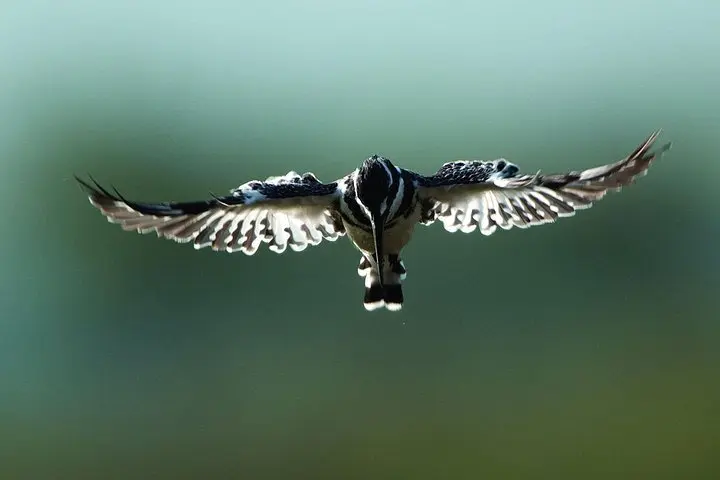
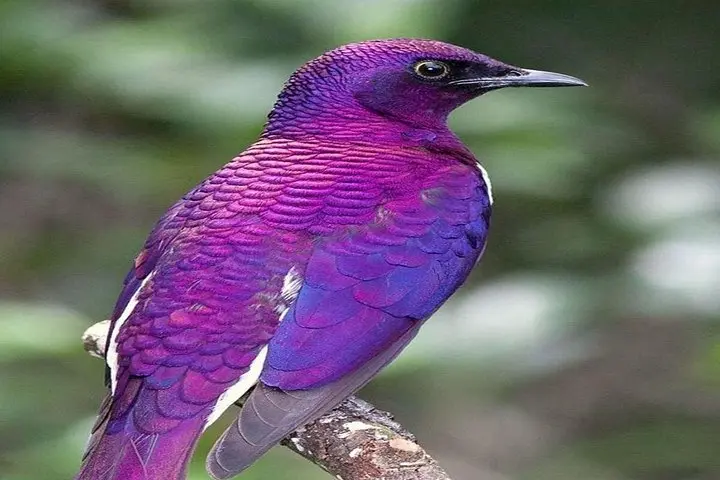
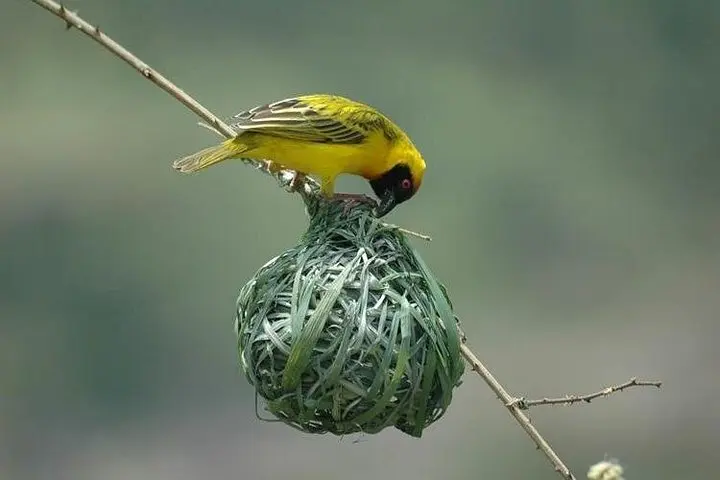
Dawn breaks over the acacia-scrub of Samburu, and the first calls arrive like a rolling score: bee-eaters darting, crowned cranes trumpeting, and distant hyenas offering a low laugh. Over thirteen days you move through a sequence of habitats—riverine gallery forest, alkaline lake shores, highland woodlands and open Mara grassland—each with its own cast of birds and predators.
Dawn breaks over the acacia-scrub of Samburu, and the first calls arrive like a rolling score: bee-eaters darting, crowned cranes trumpeting, and distant hyenas offering a low laugh. Over thirteen days you move through a sequence of habitats—riverine gallery forest, alkaline lake shores, highland woodlands and open Mara grassland—each with its own cast of birds and predators.
This itinerary threads together sites with deep natural histories. Lake Nakuru was one of Africa's first parks established with avian conservation in mind and its soda flats still attract vast flocks of lesser flamingo when conditions allow. The Uaso Nyiro and other northern rivers shape the Samburu scrub, supporting species shared with Ethiopia and Somalia. Along the way, Maasai culture remains visible: pastoral grazing patterns shape the savannah mosaic and community conservancies play a big role in modern wildlife stewardship.
Practical guidance: expect long drives between reserves and early starts for prime bird activity; game drives are vehicle-based with short walks possible. Bring optics and a flexible lens, layer for cool mornings and hot afternoons, and plan for dusty roads—vehicle suspension can be firm. Hydration is essential, and guides will prioritize sighting windows around rivers and waterholes.
Photography and patience pay off: raptors perch on thorn trees, flocks cluster on shallows, and plain birds reveal subtle field marks at close range. With basic fitness and good gear you will move easily from riverine hides to panoramic Mara escarpments and leave with a long list of memorable species.