THE ADVENTURE COLLECTIVE® · Independent discovery and booking for outdoor travel

A 13-day overland circuit from Lhasa to Everest Base Camp and the kora around Mount Kailash combines high-altitude trekking, sacred sites and long scenic drives. Expect staged acclimatization, multi-hour drives, teahouse nights and a three-day Kailash kora with passes above 5,600 m.
A 13-day overland circuit from Lhasa to Everest Base Camp and the kora around Mount Kailash combines high-altitude trekking, sacred sites and long scenic drives. Expect staged acclimatization, multi-hour drives, teahouse nights and a three-day Kailash kora with passes above 5,600 m.
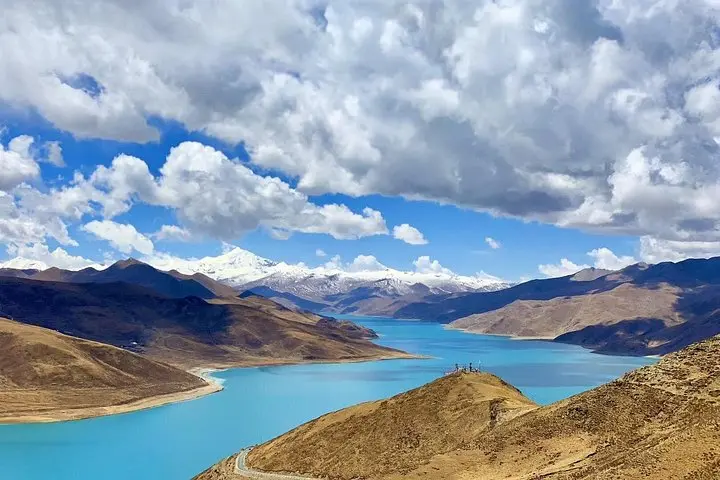
A thin blue light breaks over Lhasa and the Dalai Lama’s Potala cuts a clean silhouette against a cold sky. Travelers begin in the city’s busy Barkhor market, then climb in altitude and quiet: mountain passes, turquoise lakes, monasteries and an unpaved spine of road that leads to Rongbuk at the foot of Everest and the ritual circuit around Mount Kailash.
Verified experiences and guided adventures in the surrounding area.
Operated by Tibet Vista · Lhasa, Tibet Autonomous Region
A thin blue light breaks over Lhasa and the Dalai Lama’s Potala cuts a clean silhouette against a cold sky. Travelers begin in the city’s busy Barkhor market, then climb in altitude and quiet: mountain passes, turquoise lakes, monasteries and an unpaved spine of road that leads to Rongbuk at the foot of Everest and the ritual circuit around Mount Kailash.
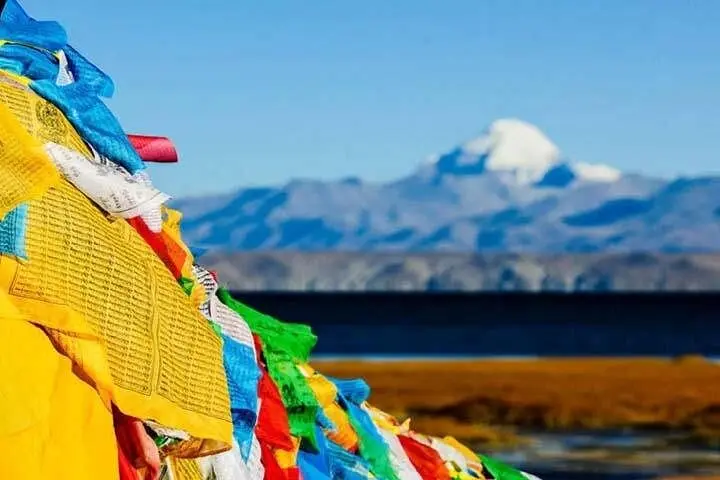
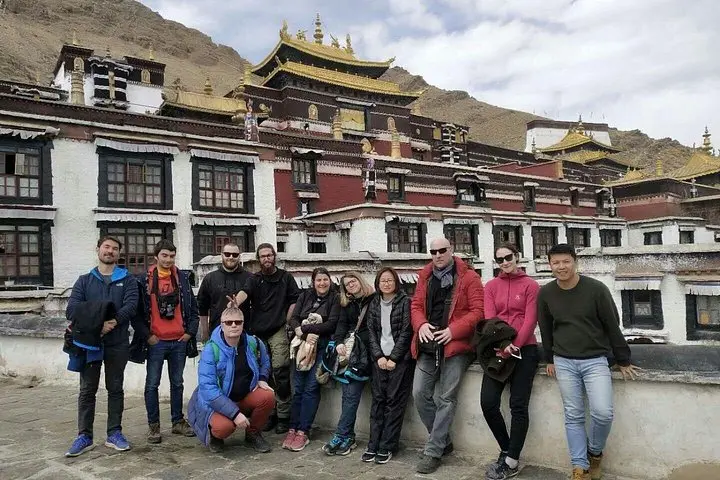
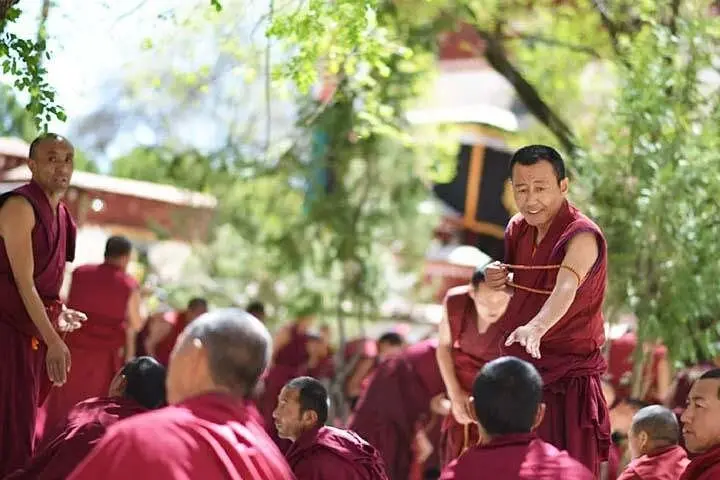
This route threads Tibetan history and geology — Tibetan plateau uplifted by India’s collision with Eurasia, monasteries shaped by the Gelug and Bon traditions, and pilgrimage routes walked for centuries. Potala Palace and Jokhang Temple anchor Lhasa’s spiritual life; the Gangdise and Himalaya ranges frame the long drives east and south. Cultural notes: prostrating pilgrims, mani-stone walls and teahouse hospitality are constant; local Tibetan guides interpret ritual practice and elevation hazards.
Practical guidance: the trip requires staged acclimatization — Lhasa at ~3,650 m, Everest-area lodges above 5,000 m, passes to 5,630 m. Expect long driving days (300–450 km stretches) and three days of kora around Kailash with daily treks of ~7–18 km. Carry layered insulation, sun protection and a small medical kit; the operator provides oxygen in vehicles. Allow at least one rest day in Lhasa before departure, and plan permits and passport copies well in advance. Weather shifts fast — a clear sunrise on Rongbuk can give way to driving snow by afternoon. Respect local customs and fragile alpine environment; leave no trace and follow guide instructions for safe, meaningful travel.
Yes — foreign travelers require a Tibet Travel Permit arranged by the tour operator; submit passport and China visa copies at least 15–20 days prior.
Routes reach 5,600+ m; AMS is a real risk. Staged acclimatization, slow pacing, hydration and available oxygen in vehicles reduce risk, but prior high-altitude experience helps.
No technical climbing is required; the kora involves multi-day trekking over high passes with long uphill sections — good fitness and warm gear are essential.
Major towns accept cards rarely; carry Chinese RMB for small purchases, teahouses, local wages and tipping.
Tibet Vista operates guided outdoor trips and adventures with an emphasis on safety, stewardship, and memorable experiences.
A thin blue light breaks over Lhasa and the Dalai Lama’s Potala cuts a clean silhouette against a cold sky. Travelers begin in the city’s busy Barkhor market, then climb in altitude and quiet: mountain passes, turquoise lakes, monasteries and an unpaved spine of road that leads to Rongbuk at the foot of Everest and the ritual circuit around Mount Kailash.
A thin blue light breaks over Lhasa and the Dalai Lama’s Potala cuts a clean silhouette against a cold sky. Travelers begin in the city’s busy Barkhor market, then climb in altitude and quiet: mountain passes, turquoise lakes, monasteries and an unpaved spine of road that leads to Rongbuk at the foot of Everest and the ritual circuit around Mount Kailash.
This route threads Tibetan history and geology — Tibetan plateau uplifted by India’s collision with Eurasia, monasteries shaped by the Gelug and Bon traditions, and pilgrimage routes walked for centuries. Potala Palace and Jokhang Temple anchor Lhasa’s spiritual life; the Gangdise and Himalaya ranges frame the long drives east and south. Cultural notes: prostrating pilgrims, mani-stone walls and teahouse hospitality are constant; local Tibetan guides interpret ritual practice and elevation hazards.
Practical guidance: the trip requires staged acclimatization — Lhasa at ~3,650 m, Everest-area lodges above 5,000 m, passes to 5,630 m. Expect long driving days (300–450 km stretches) and three days of kora around Kailash with daily treks of ~7–18 km. Carry layered insulation, sun protection and a small medical kit; the operator provides oxygen in vehicles. Allow at least one rest day in Lhasa before departure, and plan permits and passport copies well in advance. Weather shifts fast — a clear sunrise on Rongbuk can give way to driving snow by afternoon. Respect local customs and fragile alpine environment; leave no trace and follow guide instructions for safe, meaningful travel.