THE ADVENTURE COLLECTIVE® · Independent discovery and booking for outdoor travel

Traverse Morocco in 13 days from Atlantic surf towns and imperial medinas to cedar forests and the orange glow of Erg Chebbi. Expect long drives, varied terrain, and a mix of hotels and a single desert camp under brilliant night skies.
Traverse Morocco in 13 days from Atlantic surf towns and imperial medinas to cedar forests and the orange glow of Erg Chebbi. Expect long drives, varied terrain, and a mix of hotels and a single desert camp under brilliant night skies.
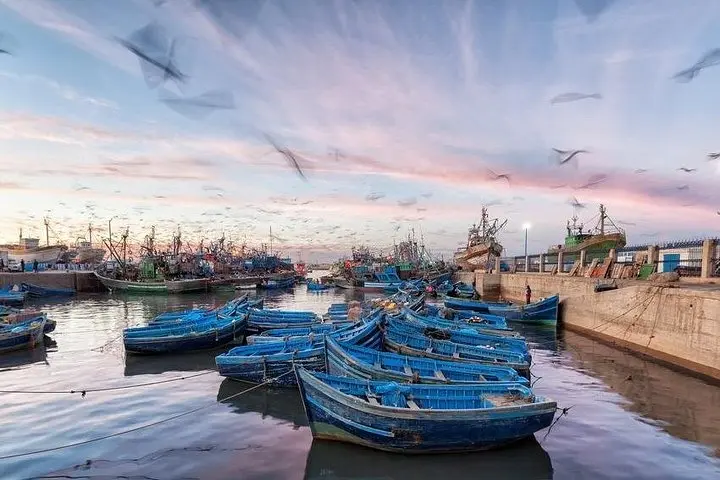
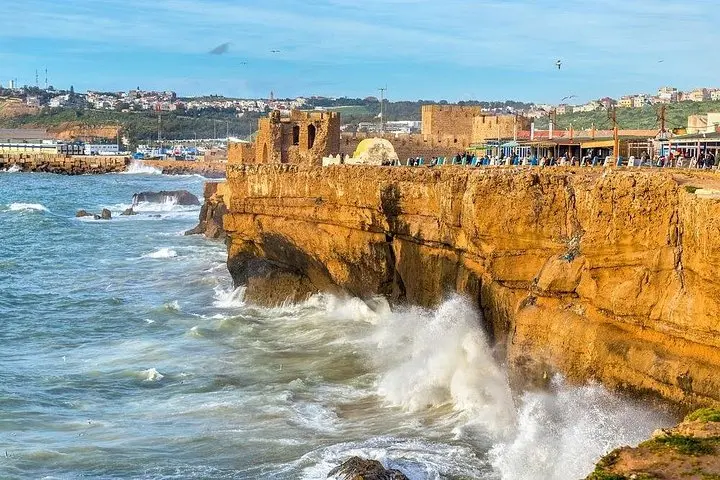
Dawn in Marrakech opens with the call to prayer threading through orange-tree courtyards and the rumble of a driver loading luggage for a 1,300-mile loop across Morocco. You’ll move from the Atlantic wind-scoured ramparts of Essaouira to Casablanca’s soaring Hassan II minaret, then climb cedar-scented passes into the Middle Atlas before the dunes of Erg Chebbi swallow the horizon.
Verified experiences and guided adventures in the surrounding area.
Operated by Desertbrise Travel · Marrakech, Marrakech-Safi
Dawn in Marrakech opens with the call to prayer threading through orange-tree courtyards and the rumble of a driver loading luggage for a 1,300-mile loop across Morocco. You’ll move from the Atlantic wind-scoured ramparts of Essaouira to Casablanca’s soaring Hassan II minaret, then climb cedar-scented passes into the Middle Atlas before the dunes of Erg Chebbi swallow the horizon.
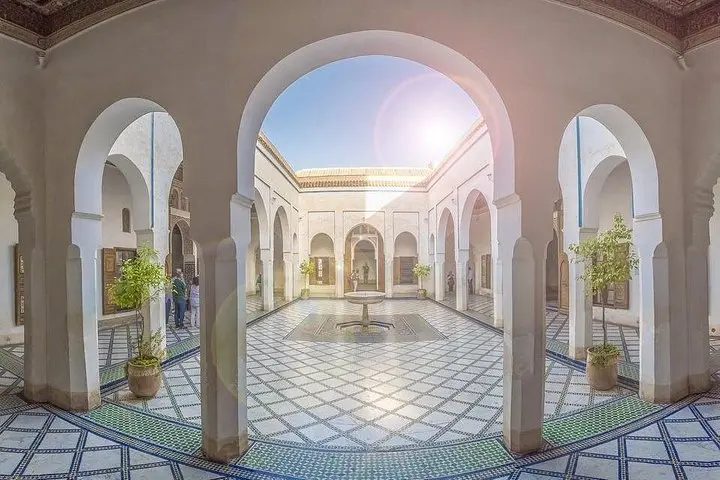
This route stitches together Roman mosaics at Volubilis, Almohad stone at Rabat’s Hassan Tower, and the ksar architecture of Aït Benhaddou—each stop revealing layers of Morocco’s history as a Roman outpost, Islamic capital, and trans-Saharan trade corridor. Geology is visible at every turn: red strata in the Dadès Gorge, limestone caves at Cape Spartel and Hercules, and wind-shaped barchan dunes that migrate like living hills.
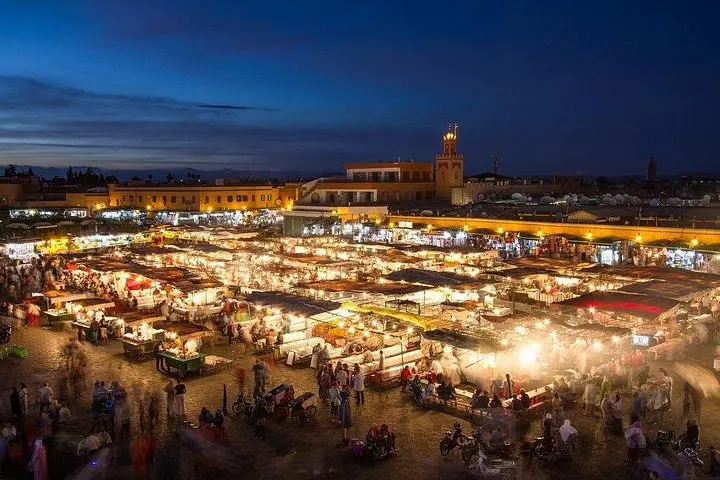
Culture arrives in markets, medinas, and riads: Fes’s tanneries, Chefchaouen’s cobalt alleys, and nights in a Berber camp with drums under a wide, unapologetic sky. Wildlife peeks in unexpected places—Barbary macaques in cedar forests and desert-adapted birds along oases.
Practical guidance: expect multiple long driving days (some transfers 4–8 hours), mostly hotel accommodations with one overnight desert camp, and light-to-moderate walking. Pack layered clothing for big diurnal temperature swings, sun protection for coastal and desert legs, and good walking shoes for cobbled medinas and rocky overlooks. Time visits early in the day to avoid crowds and the midday heat, carry local cash for small markets, and be ready for a travel rhythm that alternates lively urban exploring with long, quiet stretches of landscape.
Flights are not included; the itinerary begins and ends in Marrakech and private airport pickup/drop-off are typically provided by the tour operator per booking details.
Most days involve light-to-moderate walking around medinas and a guided hike in the Rif; long driving days require tolerance for extended transfers rather than high fitness.
The desert night is usually in a tented Berber-style camp with basic sleeping arrangements, communal dining and music; facilities can be simple but comfortable, and camp staff handle meals and camel transfers.
The tour notes state wheelchair-accessible options and suitability for many fitness levels, but some sites (narrow medina alleys, uneven terrain, camel rides) may be difficult for full mobility needs—confirm specifics with the operator.
Desertbrise Travel operates guided outdoor trips and adventures with an emphasis on safety, stewardship, and memorable experiences.
Dawn in Marrakech opens with the call to prayer threading through orange-tree courtyards and the rumble of a driver loading luggage for a 1,300-mile loop across Morocco. You’ll move from the Atlantic wind-scoured ramparts of Essaouira to Casablanca’s soaring Hassan II minaret, then climb cedar-scented passes into the Middle Atlas before the dunes of Erg Chebbi swallow the horizon.
Dawn in Marrakech opens with the call to prayer threading through orange-tree courtyards and the rumble of a driver loading luggage for a 1,300-mile loop across Morocco. You’ll move from the Atlantic wind-scoured ramparts of Essaouira to Casablanca’s soaring Hassan II minaret, then climb cedar-scented passes into the Middle Atlas before the dunes of Erg Chebbi swallow the horizon.
This route stitches together Roman mosaics at Volubilis, Almohad stone at Rabat’s Hassan Tower, and the ksar architecture of Aït Benhaddou—each stop revealing layers of Morocco’s history as a Roman outpost, Islamic capital, and trans-Saharan trade corridor. Geology is visible at every turn: red strata in the Dadès Gorge, limestone caves at Cape Spartel and Hercules, and wind-shaped barchan dunes that migrate like living hills.
Culture arrives in markets, medinas, and riads: Fes’s tanneries, Chefchaouen’s cobalt alleys, and nights in a Berber camp with drums under a wide, unapologetic sky. Wildlife peeks in unexpected places—Barbary macaques in cedar forests and desert-adapted birds along oases.
Practical guidance: expect multiple long driving days (some transfers 4–8 hours), mostly hotel accommodations with one overnight desert camp, and light-to-moderate walking. Pack layered clothing for big diurnal temperature swings, sun protection for coastal and desert legs, and good walking shoes for cobbled medinas and rocky overlooks. Time visits early in the day to avoid crowds and the midday heat, carry local cash for small markets, and be ready for a travel rhythm that alternates lively urban exploring with long, quiet stretches of landscape.