THE ADVENTURE COLLECTIVE® · Independent discovery and booking for outdoor travel

Travel from Quito’s colonial plazas through cloud forest and crater rims to the species-rich Yasuni Amazon on a 14‑day mainland circuit. Expect mixed terrain, high‑altitude views, guided jungle canoe trips and immersive cultural markets.
Travel from Quito’s colonial plazas through cloud forest and crater rims to the species-rich Yasuni Amazon on a 14‑day mainland circuit. Expect mixed terrain, high‑altitude views, guided jungle canoe trips and immersive cultural markets.
Dawn over Quito feels brisk and immediate: the city’s plazas open to a highland light that pushes across tile roofs toward volcano caps. On this 14‑day route you move from city streets and colonial churches to the mist of Mindo’s cloud forest, the crater rim of Quilotoa, adrenaline at Baños, and finally the wet, saturated complexity of Yasuni National Park where a motorized canoe becomes the only road.
Verified experiences and guided adventures in the surrounding area.
Operated by Kajol Lavan Travel · Quito, Pichincha
Dawn over Quito feels brisk and immediate: the city’s plazas open to a highland light that pushes across tile roofs toward volcano caps. On this 14‑day route you move from city streets and colonial churches to the mist of Mindo’s cloud forest, the crater rim of Quilotoa, adrenaline at Baños, and finally the wet, saturated complexity of Yasuni National Park where a motorized canoe becomes the only road.
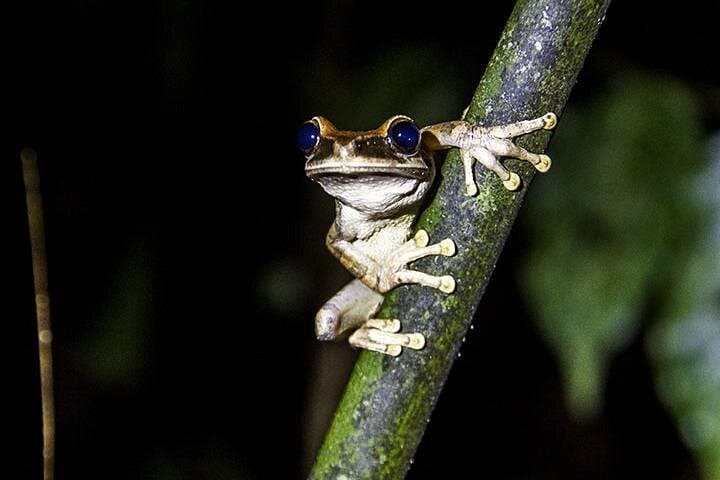
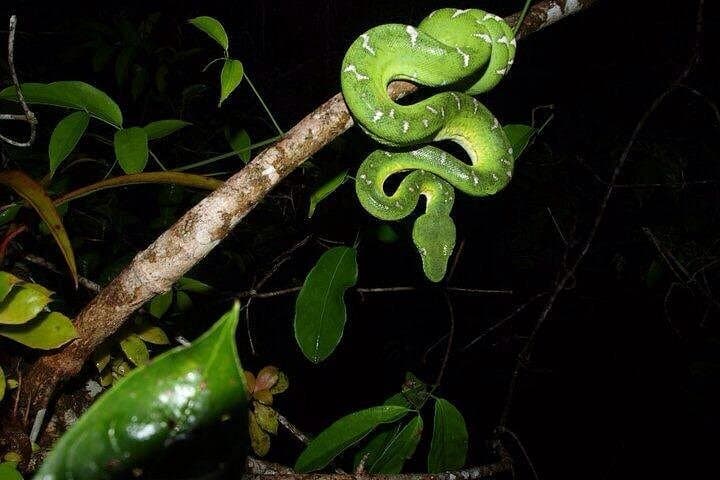
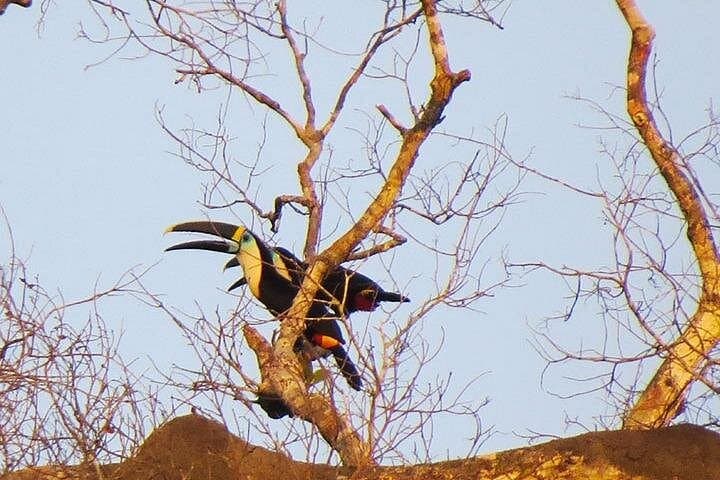
Ecuador’s mainland compresses dramatic geology—Andean uplift, volcanic crater lakes and deep Amazonian alluvium—into a compact route. Quito’s historic center dates to the 16th century Spanish foundations, while Otavalo and local markets keep indigenous Kichwa crafts and trade alive. Mindo preserves cloud‑forest microclimates that support hummingbirds and orchids; Yasuni is globally notable for species density and Indigenous communities with generational ecological knowledge.
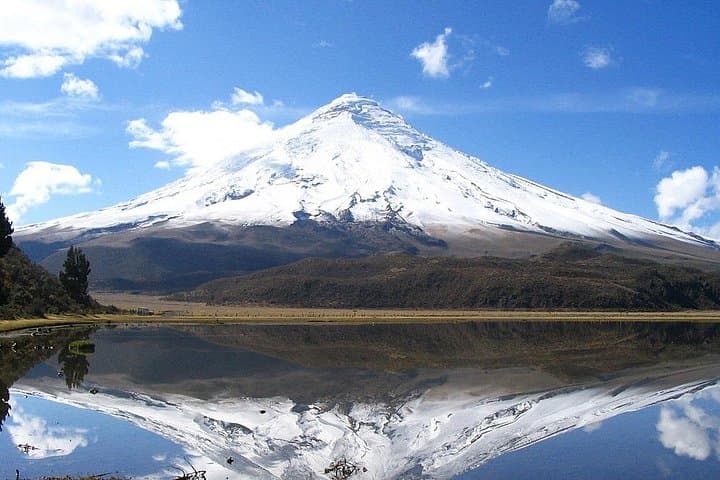
Expect a mix of paved drives and narrow dirt roads, short treks (1–3 hours) and steeper, high‑altitude walks at Cotopaxi and Quilotoa. In the Amazon portion, travel by canoe and short jungle trails replace roads; rain and humidity are constant actors.
Practical guidance: acclimatize in Quito for 24–48 hours to reduce altitude effects, carry insect repellent and quick‑dry layers, and choose sturdy hiking shoes with good traction for muddy jungle paths. Bring a compact rain shell, a small daypack, and lightweight binoculars for birding towers. Mornings are best for wildlife viewing; afternoons can be rainy in cloud forest and Amazon. With varied terrain and cultural stops, the trip balances easy sightseeing days with moderate hikes and hot, humid jungle nights.
Vaccination requirements change; consult a travel clinic for recommended shots such as yellow fever and routine immunizations well before travel.
The trip schedules acclimatization time in Quito and avoids strenuous climbs immediately after arrival; still expect short uphill hikes that can feel harder at elevation.
English‑speaking drivers and guides are included for mainland segments; jungle guides are bilingual in many lodges but verify if you require a specific language.
Accommodations range from comfortable city hotels in Quito and Baños to eco‑lodges in the Amazon with basic amenities focused on wildlife access and immersion.
Kajol Lavan Travel operates guided outdoor trips and adventures with an emphasis on safety, stewardship, and memorable experiences.
Dawn over Quito feels brisk and immediate: the city’s plazas open to a highland light that pushes across tile roofs toward volcano caps. On this 14‑day route you move from city streets and colonial churches to the mist of Mindo’s cloud forest, the crater rim of Quilotoa, adrenaline at Baños, and finally the wet, saturated complexity of Yasuni National Park where a motorized canoe becomes the only road.
Dawn over Quito feels brisk and immediate: the city’s plazas open to a highland light that pushes across tile roofs toward volcano caps. On this 14‑day route you move from city streets and colonial churches to the mist of Mindo’s cloud forest, the crater rim of Quilotoa, adrenaline at Baños, and finally the wet, saturated complexity of Yasuni National Park where a motorized canoe becomes the only road.
Ecuador’s mainland compresses dramatic geology—Andean uplift, volcanic crater lakes and deep Amazonian alluvium—into a compact route. Quito’s historic center dates to the 16th century Spanish foundations, while Otavalo and local markets keep indigenous Kichwa crafts and trade alive. Mindo preserves cloud‑forest microclimates that support hummingbirds and orchids; Yasuni is globally notable for species density and Indigenous communities with generational ecological knowledge.
Expect a mix of paved drives and narrow dirt roads, short treks (1–3 hours) and steeper, high‑altitude walks at Cotopaxi and Quilotoa. In the Amazon portion, travel by canoe and short jungle trails replace roads; rain and humidity are constant actors.
Practical guidance: acclimatize in Quito for 24–48 hours to reduce altitude effects, carry insect repellent and quick‑dry layers, and choose sturdy hiking shoes with good traction for muddy jungle paths. Bring a compact rain shell, a small daypack, and lightweight binoculars for birding towers. Mornings are best for wildlife viewing; afternoons can be rainy in cloud forest and Amazon. With varied terrain and cultural stops, the trip balances easy sightseeing days with moderate hikes and hot, humid jungle nights.