THE ADVENTURE COLLECTIVE® · Independent discovery and booking for outdoor travel

Cross nine countries in 14 days on a small-group tour that covers the cultural and natural highlights of the Balkans — from Bucharest and Rila Monastery to Dubrovnik, Plitvice and Budapest. Expect guided walking tours, UNESCO sites, and a steady rhythm of travel and discovery.
Cross nine countries in 14 days on a small-group tour that covers the cultural and natural highlights of the Balkans — from Bucharest and Rila Monastery to Dubrovnik, Plitvice and Budapest. Expect guided walking tours, UNESCO sites, and a steady rhythm of travel and discovery.
You step out of a Bucharest morning and the bus door closes behind the city's concrete rhythm — within hours the Danube appears, then centuries of stone, baroque domes and karst cliffs sweep past the windows. Over 14 days this small-group circuit stitches together capitals, mountain monasteries, Adriatic bays and glacial lakes, moving at a steady, travel-minded pace that balances guided orientation with pockets of free time.
Verified experiences and guided adventures in the surrounding area.
Operated by Trip2Ro · Bucharest, Bucharest
You step out of a Bucharest morning and the bus door closes behind the city's concrete rhythm — within hours the Danube appears, then centuries of stone, baroque domes and karst cliffs sweep past the windows. Over 14 days this small-group circuit stitches together capitals, mountain monasteries, Adriatic bays and glacial lakes, moving at a steady, travel-minded pace that balances guided orientation with pockets of free time.
The route threads the Ottoman, Byzantine and Habsburg seams of southeastern Europe: Rila Monastery's 10th-century frescoes, Veliko Tarnovo's medieval ramparts, the Venetian-welded walls of Dubrovnik and the Roman imprint inside Split's Diocletian Palace. Geology shifts as you go — the Dinaric Alps and karst systems give Postojna Cave its vast chambers; Plitvice's travertine terraces form where mineral-rich streams build cascades. Cultural textures are immediate: bazaars, Orthodox and Catholic sacred sites, Ottoman-era mosques, and the markets where regional cheeses and rakija signal local life.
Expect a lot of walking in historic centers (short urban hikes of 1–5 km), some boundary crossings and a mix of hotel stays; breakfasts are included most mornings. Practical points: wear shoes that can handle cobbles and wet boardwalks at Plitvice; pack layers for variable mountain-to-coast temperatures; carry valid passport and photocopies; and respect dress codes at religious sites — knees and shoulders covered. Flow with the itinerary: the tour manager adapts order for weather and border conditions, and that flexibility keeps the trip moving. Hydrate between stops, keep a compact daypack with rain protection, and give yourself extra time in major hubs like Dubrovnik and Budapest to explore independently.
Price typically includes accommodation (13 nights), breakfasts, air-conditioned transport, and a professional tour director/driver; see booking details for exact inclusions.
Many lunches, dinners, and some site admissions or optional activities (boat trips, cave train tickets) may be extra — check the itinerary and ask the tour manager on arrival.
It is an easy-to-moderate walking tour: expect urban walks of 1–7 km, some stairs and uneven terrain; a moderate fitness level is recommended.
A current passport is required; visa needs depend on your nationality and the countries visited — verify entry rules well before travel.
Trip2Ro operates guided outdoor trips and adventures with an emphasis on safety, stewardship, and memorable experiences.
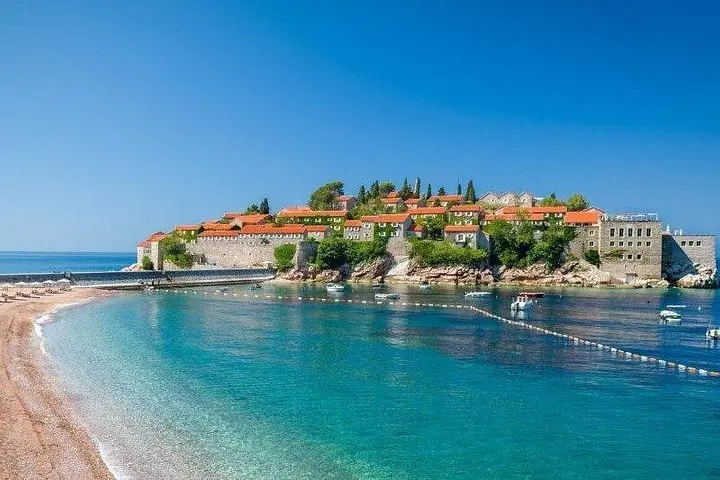
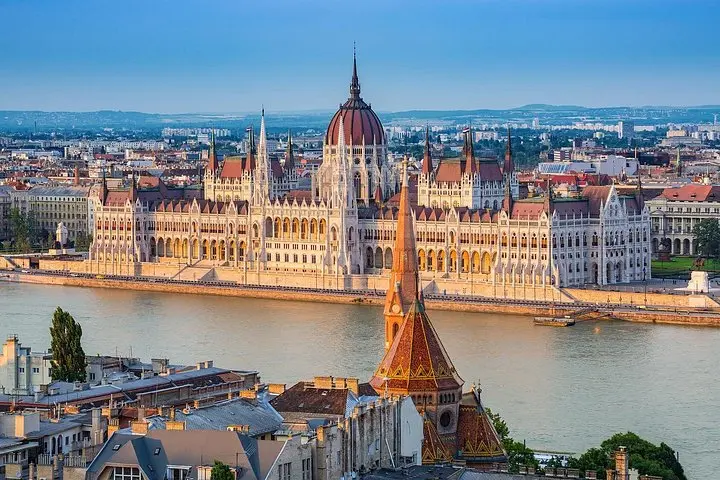
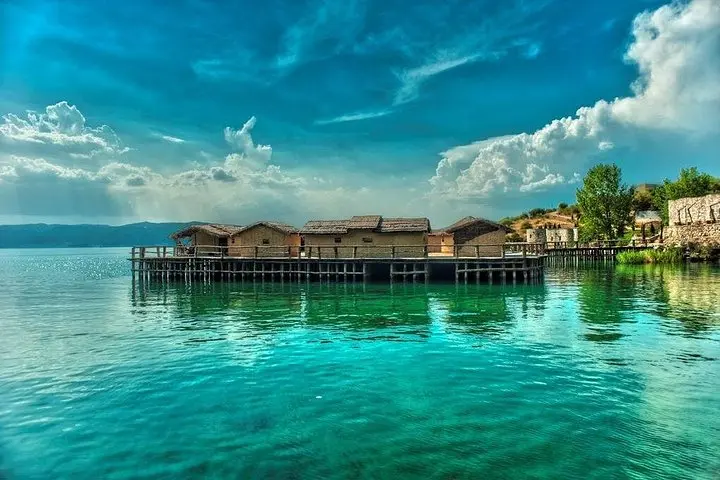
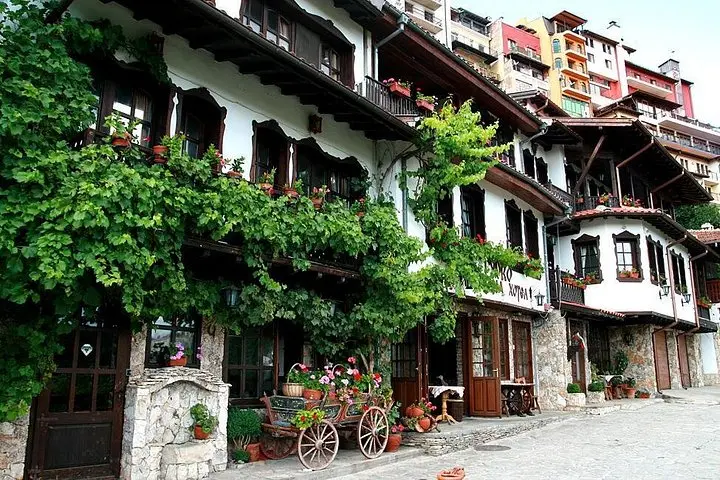
You step out of a Bucharest morning and the bus door closes behind the city's concrete rhythm — within hours the Danube appears, then centuries of stone, baroque domes and karst cliffs sweep past the windows. Over 14 days this small-group circuit stitches together capitals, mountain monasteries, Adriatic bays and glacial lakes, moving at a steady, travel-minded pace that balances guided orientation with pockets of free time.
You step out of a Bucharest morning and the bus door closes behind the city's concrete rhythm — within hours the Danube appears, then centuries of stone, baroque domes and karst cliffs sweep past the windows. Over 14 days this small-group circuit stitches together capitals, mountain monasteries, Adriatic bays and glacial lakes, moving at a steady, travel-minded pace that balances guided orientation with pockets of free time.
The route threads the Ottoman, Byzantine and Habsburg seams of southeastern Europe: Rila Monastery's 10th-century frescoes, Veliko Tarnovo's medieval ramparts, the Venetian-welded walls of Dubrovnik and the Roman imprint inside Split's Diocletian Palace. Geology shifts as you go — the Dinaric Alps and karst systems give Postojna Cave its vast chambers; Plitvice's travertine terraces form where mineral-rich streams build cascades. Cultural textures are immediate: bazaars, Orthodox and Catholic sacred sites, Ottoman-era mosques, and the markets where regional cheeses and rakija signal local life.
Expect a lot of walking in historic centers (short urban hikes of 1–5 km), some boundary crossings and a mix of hotel stays; breakfasts are included most mornings. Practical points: wear shoes that can handle cobbles and wet boardwalks at Plitvice; pack layers for variable mountain-to-coast temperatures; carry valid passport and photocopies; and respect dress codes at religious sites — knees and shoulders covered. Flow with the itinerary: the tour manager adapts order for weather and border conditions, and that flexibility keeps the trip moving. Hydrate between stops, keep a compact daypack with rain protection, and give yourself extra time in major hubs like Dubrovnik and Budapest to explore independently.