THE ADVENTURE COLLECTIVE® · Independent discovery and booking for outdoor travel

A 14-day circuit through Bhutan that pairs cultural visits to ancient dzongs and temples with a two-day trek in Bumthang’s high valleys. Expect forest singletrack, high passes near 3,300 m and a mix of homestay and full-service camping.
A 14-day circuit through Bhutan that pairs cultural visits to ancient dzongs and temples with a two-day trek in Bumthang’s high valleys. Expect forest singletrack, high passes near 3,300 m and a mix of homestay and full-service camping.
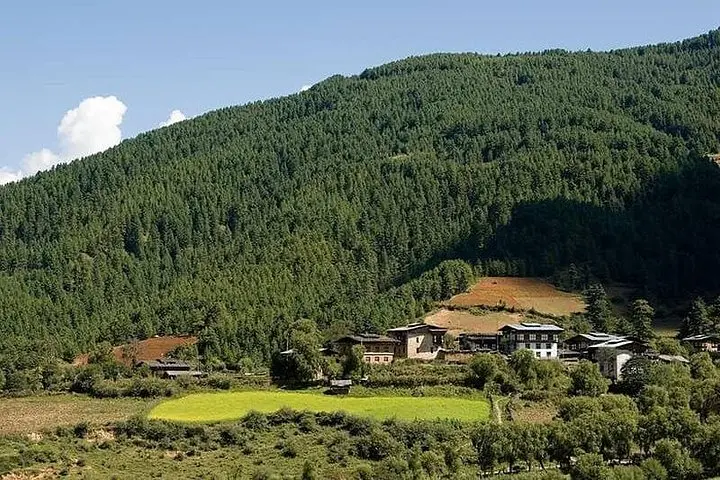
You step out into thin Himalayan air at Paro; prayer flags snap like distant conversation and the valley smells of pine and wood fire. Over the next two weeks the road threads high passes and warm river valleys, until a narrow trail in Bumthang leads you into forests that hold secrets of centuries — mani stones, village temples and a sky that widens with every climb.
Verified experiences and guided adventures in the surrounding area.
Operated by Bhutan Acorn Tours and Travel · Jakar, Bumthang District
You step out into thin Himalayan air at Paro; prayer flags snap like distant conversation and the valley smells of pine and wood fire. Over the next two weeks the road threads high passes and warm river valleys, until a narrow trail in Bumthang leads you into forests that hold secrets of centuries — mani stones, village temples and a sky that widens with every climb.
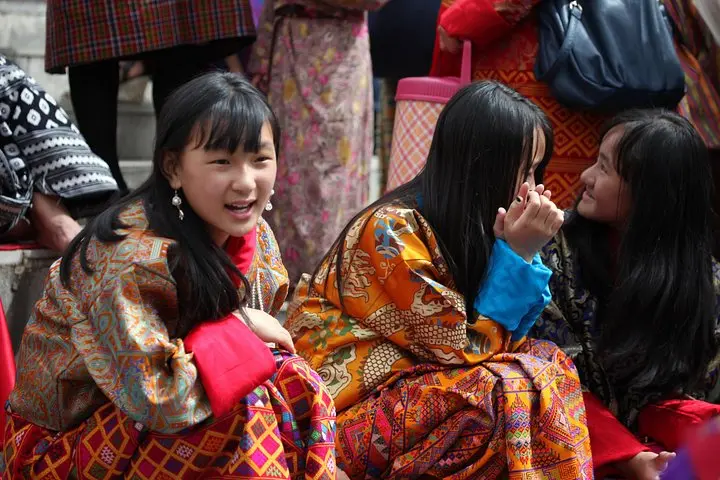
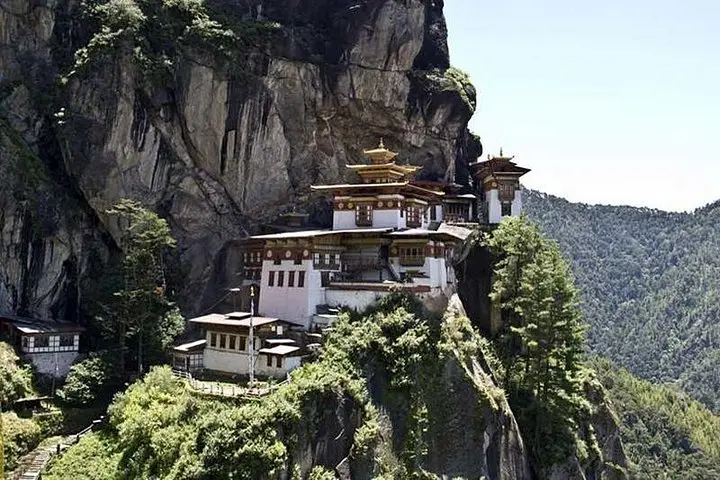
Bhutan’s dzongs and monasteries date from the 7th–17th centuries and sit on natural defensive ridges carved by rivers and glacial valleys. Geologically the interior is uplifted metamorphic rock and glacial moraine; you’ll cross passes near 3,300–3,450 m and descend into subtropical basins. Culturally the kingdom remains deeply Buddhist: daily life still orbits temple bells, traditional weaving and weekend farmers’ markets in Thimphu and Bumthang.
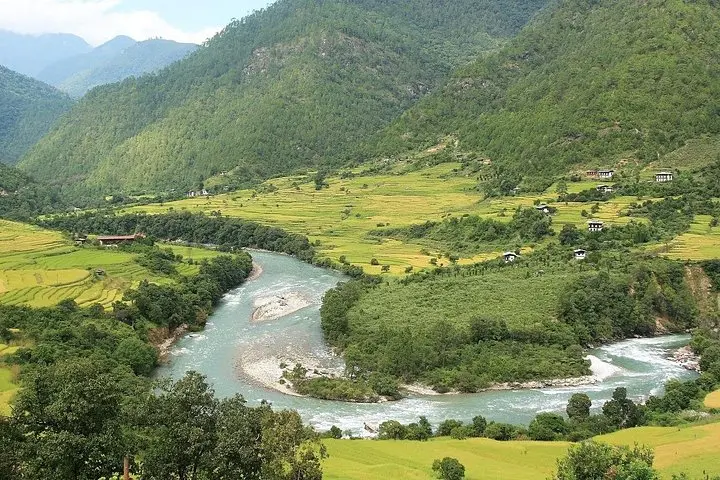
The included 2-day Bumthang trek is gentle by Himalayan standards: forest trails, river crossings along the Tang Chu, a high point at ~3,360 m (Phe Phe La) and a typical camp at ~2,720 m. Expect 4–6 hour walking days on uneven singletrack and grazing pastures, with homestay and a full-service camp night.
Practical guidance: pace your ascent, drink frequently, layer for cold nights and sudden sun, and use sturdy waterproof boots. Carry local currency for small purchases; visa is pre-arranged electronically but bring passport copies. Book flights early — there are only a few international connections. Start hikes early to avoid afternoon weather; respect religious sites (remove hats, speak softly) and leave no trace when camping.
Yes — the tour operator processes an e-Visa for you after receiving passport copies; the stamped visa is issued on arrival, so provide clear passport pages at booking.
It’s classed easy-to-moderate with up to 6 hours walking on day sections, singletrack and a 750 m ascent to the highest pass; no technical climbing skills required.
The itinerary includes 11 nights twin-sharing at 3-star TCB-certified hotels, one night homestay and one night full-service outdoor camping.
Ascend slowly, keep active hydration, avoid alcohol for the first days and notify guides early; the tour includes medical provisions and hospital access if needed.
Bhutan Acorn Tours and Travel operates guided outdoor trips and adventures with an emphasis on safety, stewardship, and memorable experiences.
You step out into thin Himalayan air at Paro; prayer flags snap like distant conversation and the valley smells of pine and wood fire. Over the next two weeks the road threads high passes and warm river valleys, until a narrow trail in Bumthang leads you into forests that hold secrets of centuries — mani stones, village temples and a sky that widens with every climb.
You step out into thin Himalayan air at Paro; prayer flags snap like distant conversation and the valley smells of pine and wood fire. Over the next two weeks the road threads high passes and warm river valleys, until a narrow trail in Bumthang leads you into forests that hold secrets of centuries — mani stones, village temples and a sky that widens with every climb.
Bhutan’s dzongs and monasteries date from the 7th–17th centuries and sit on natural defensive ridges carved by rivers and glacial valleys. Geologically the interior is uplifted metamorphic rock and glacial moraine; you’ll cross passes near 3,300–3,450 m and descend into subtropical basins. Culturally the kingdom remains deeply Buddhist: daily life still orbits temple bells, traditional weaving and weekend farmers’ markets in Thimphu and Bumthang.
The included 2-day Bumthang trek is gentle by Himalayan standards: forest trails, river crossings along the Tang Chu, a high point at ~3,360 m (Phe Phe La) and a typical camp at ~2,720 m. Expect 4–6 hour walking days on uneven singletrack and grazing pastures, with homestay and a full-service camp night.
Practical guidance: pace your ascent, drink frequently, layer for cold nights and sudden sun, and use sturdy waterproof boots. Carry local currency for small purchases; visa is pre-arranged electronically but bring passport copies. Book flights early — there are only a few international connections. Start hikes early to avoid afternoon weather; respect religious sites (remove hats, speak softly) and leave no trace when camping.