THE ADVENTURE COLLECTIVE® · Independent discovery and booking for outdoor travel

Fly into Lukla and walk the classic Lukla–Namche–Gorak Shep route to Everest Base Camp and Kala Patthar on a 14-day itinerary that balances acclimatization with high-mountain vistas and Sherpa cultural stops.
Fly into Lukla and walk the classic Lukla–Namche–Gorak Shep route to Everest Base Camp and Kala Patthar on a 14-day itinerary that balances acclimatization with high-mountain vistas and Sherpa cultural stops.
The morning air at Tribhuvan International feels ordinary until the plane to Lukla climbs toward a wall of serrated white — the mountains suddenly assert themselves and your small aircraft dips to land on a short runway carved into a steep slope. From Lukla the trail drops and rises through rhododendron and pine, crosses swollen rivers on suspension bridges, and threads Sherpa villages where prayer flags snap like color in motion. By the time you reach Namche Bazaar the Himalaya have begun to rearrange how you breathe and how you measure distance.
Verified experiences and guided adventures in the surrounding area.
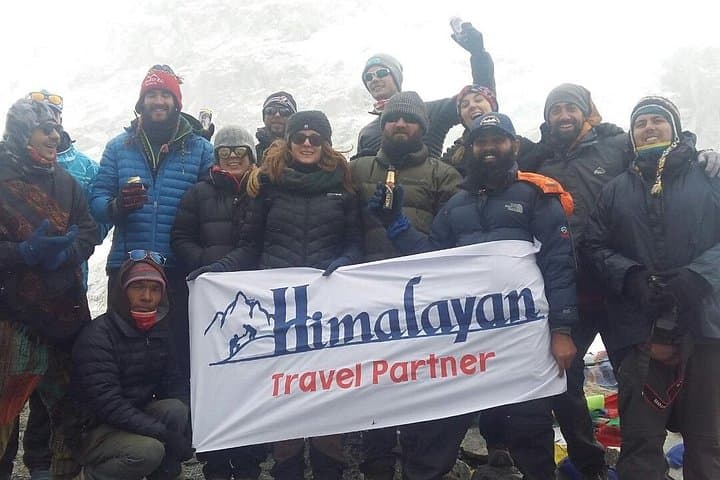
Operated by Himalayan Travel Partner · Kathmandu, Bagmati Province
The morning air at Tribhuvan International feels ordinary until the plane to Lukla climbs toward a wall of serrated white — the mountains suddenly assert themselves and your small aircraft dips to land on a short runway carved into a steep slope. From Lukla the trail drops and rises through rhododendron and pine, crosses swollen rivers on suspension bridges, and threads Sherpa villages where prayer flags snap like color in motion. By the time you reach Namche Bazaar the Himalaya have begun to rearrange how you breathe and how you measure distance.
This route follows the Dudh Kosi valley into Sagarmatha (Everest) National Park, a UNESCO-protected landscape shaped by tectonic uplifts and glacial carving. Sherpa culture — Tibetan Buddhism, mani stones, high-mountain monasteries like Tengboche — colors each village with centuries-old traditions and hospitality. Historic markers appear along the way: memorial stones near Lobuche, plaques recalling early expeditions and the 1953 ascent by Edmund Hillary and Tenzing Norgay.
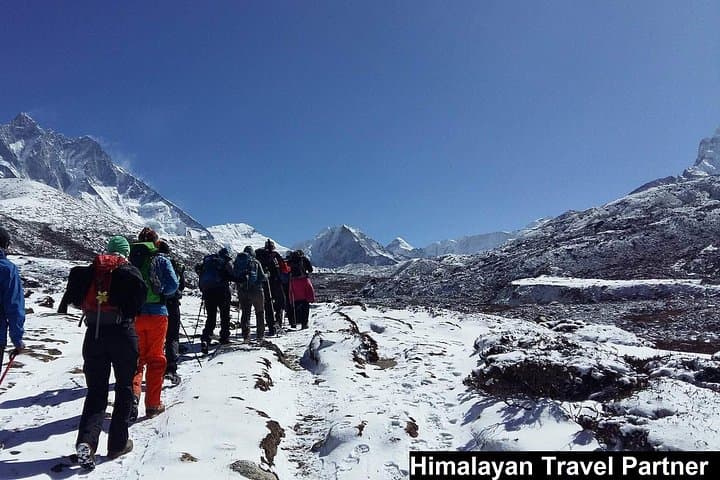
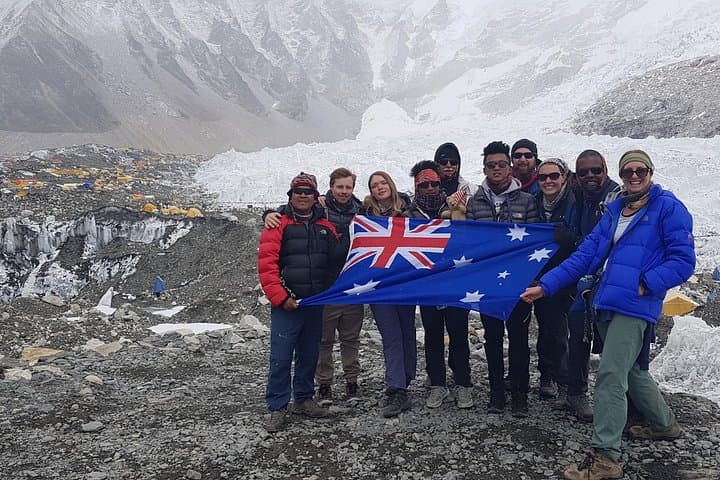
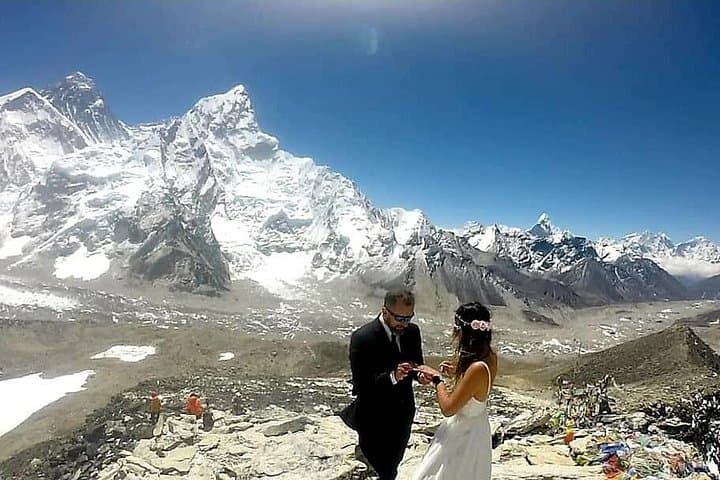
Expect rocky, sometimes icy alpine trails above 4,000 m, alternating lodge stays and teahouse comforts, and thin-air hikes to Gorak Shep, Everest Base Camp, and Kala Patthar for the clearest views of Everest’s south face. Acclimatization days in Namche and Dingboche are planned to reduce altitude risk.
Practical guidance: pack layered clothing for wide diurnal swings, bring a sleeping liner for cold nights, and plan for flight delays to/from Lukla. Hydrate proactively and know altitude-sickness signs. Walk conservatively on summit days — steady pacing matters more than speed. With preparation, the route delivers sharp mountains, lived-in highland culture, and the rare satisfaction of standing under Everest’s shadow.
Yes—trekkers must carry a TIMS card and Sagarmatha National Park permit, typically arranged by your operator before or during arrival in Lukla/Namche.
The itinerary includes gradual gains and two acclimatization days, but altitude effects vary—expect shortness of breath and fatigue; report symptoms early and descend if they worsen.
Most operators include a licensed guide and porters (often one porter per two clients) to carry group gear and assist navigation and logistics.
Teahouses provide basic twin rooms, simple hot meals, and communal dining; heating and hot water are limited at higher elevations and electricity may be on pay-per-use.
Himalayan Travel Partner operates guided outdoor trips and adventures with an emphasis on safety, stewardship, and memorable experiences.
The morning air at Tribhuvan International feels ordinary until the plane to Lukla climbs toward a wall of serrated white — the mountains suddenly assert themselves and your small aircraft dips to land on a short runway carved into a steep slope. From Lukla the trail drops and rises through rhododendron and pine, crosses swollen rivers on suspension bridges, and threads Sherpa villages where prayer flags snap like color in motion. By the time you reach Namche Bazaar the Himalaya have begun to rearrange how you breathe and how you measure distance.
The morning air at Tribhuvan International feels ordinary until the plane to Lukla climbs toward a wall of serrated white — the mountains suddenly assert themselves and your small aircraft dips to land on a short runway carved into a steep slope. From Lukla the trail drops and rises through rhododendron and pine, crosses swollen rivers on suspension bridges, and threads Sherpa villages where prayer flags snap like color in motion. By the time you reach Namche Bazaar the Himalaya have begun to rearrange how you breathe and how you measure distance.
This route follows the Dudh Kosi valley into Sagarmatha (Everest) National Park, a UNESCO-protected landscape shaped by tectonic uplifts and glacial carving. Sherpa culture — Tibetan Buddhism, mani stones, high-mountain monasteries like Tengboche — colors each village with centuries-old traditions and hospitality. Historic markers appear along the way: memorial stones near Lobuche, plaques recalling early expeditions and the 1953 ascent by Edmund Hillary and Tenzing Norgay.
Expect rocky, sometimes icy alpine trails above 4,000 m, alternating lodge stays and teahouse comforts, and thin-air hikes to Gorak Shep, Everest Base Camp, and Kala Patthar for the clearest views of Everest’s south face. Acclimatization days in Namche and Dingboche are planned to reduce altitude risk.
Practical guidance: pack layered clothing for wide diurnal swings, bring a sleeping liner for cold nights, and plan for flight delays to/from Lukla. Hydrate proactively and know altitude-sickness signs. Walk conservatively on summit days — steady pacing matters more than speed. With preparation, the route delivers sharp mountains, lived-in highland culture, and the rare satisfaction of standing under Everest’s shadow.