THE ADVENTURE COLLECTIVE® · Independent discovery and booking for outdoor travel

A classic high-altitude trek from Lukla to Everest Base Camp and Kala Patthar, this 14-day itinerary blends Sherpa culture, glacier scenery, and steep acclimatization hikes. Expect long walking days, teahouse nights, and dramatic sunrise views over Everest.
A classic high-altitude trek from Lukla to Everest Base Camp and Kala Patthar, this 14-day itinerary blends Sherpa culture, glacier scenery, and steep acclimatization hikes. Expect long walking days, teahouse nights, and dramatic sunrise views over Everest.
You step off the small Twin Otter in Lukla and the air grabs at your lungs — thin, sharp, alive. The trail immediately slides down to the Dudh Koshi, a braided river that dares you to keep pace, then threads pine and rhododendron forests up toward Namche Bazaar. Over the next two weeks you’ll trade trees for moraine and villages for sky, sleeping in teahouses where yak butter lamps and instant noodle steam mark the end of a long day.
Verified experiences and guided adventures in the surrounding area.
Operated by Magical Nepal · Lukla, Province No. 1
You step off the small Twin Otter in Lukla and the air grabs at your lungs — thin, sharp, alive. The trail immediately slides down to the Dudh Koshi, a braided river that dares you to keep pace, then threads pine and rhododendron forests up toward Namche Bazaar. Over the next two weeks you’ll trade trees for moraine and villages for sky, sleeping in teahouses where yak butter lamps and instant noodle steam mark the end of a long day.
The Khumbu sits on the collision zone of the Indian and Eurasian plates; moraine fields and the Khumbu Glacier tell a geological story of uplift and ice. Culturally, this is Sherpa country — Tengboche Monastery's chants and the legacy of Tenzing Norgay and Sir Edmund Hillary are part of the route’s living history.
Expect steady, 5–8 hour walking days with harder, rocky sections above Lobuche. Acclimatization is non-negotiable: scheduled rest days at Namche and Dingboche reduce acute mountain sickness risk. Teahouses provide simple meals and hot water but carry cash; solar chargers are common but limited. Lukla flights are weather-dependent — build buffer days into your schedule or plan a road alternative via Ramechhap.
Practical gear choices and pacing matter more than speed. Use layered clothing, a warm sleeping bag rated for sub-zero temperatures, and reliable boots. Hydrate often; avoid alcohol at altitude. The reward is tangible: sunrise on Kala Patthar, Everest framed by ridgelines, and a sense of having walked into the high alpine heart of the world.
Spring (March–May) and autumn (late September–November) offer the most stable weather, clearer mountain views, and comfortable daytime temperatures; winter is very cold and monsoon months are wet and cloudy.
Ascend slowly, follow acclimatization days, stay well hydrated, avoid alcohol, and communicate symptoms early to your guide; medications like acetazolamide can help but consult your doctor first.
Teahouses are basic mountain lodges offering shared rooms, simple meals (dal bhat, noodles), and limited hot water and charging—expect rustic comfort rather than modern amenities.
Operators often rebook or use Ramechhap as an alternative; expect a 4–6 hour road transfer from Kathmandu to Ramechhap and factor extra days into your itinerary.
Magical Nepal operates guided outdoor trips and adventures with an emphasis on safety, stewardship, and memorable experiences.
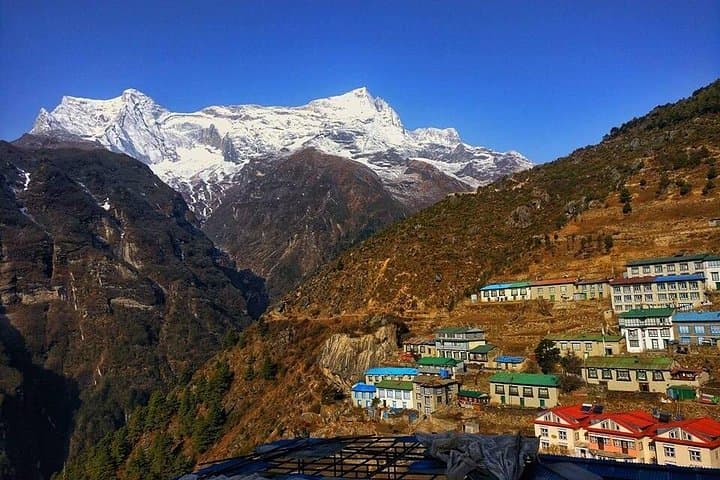
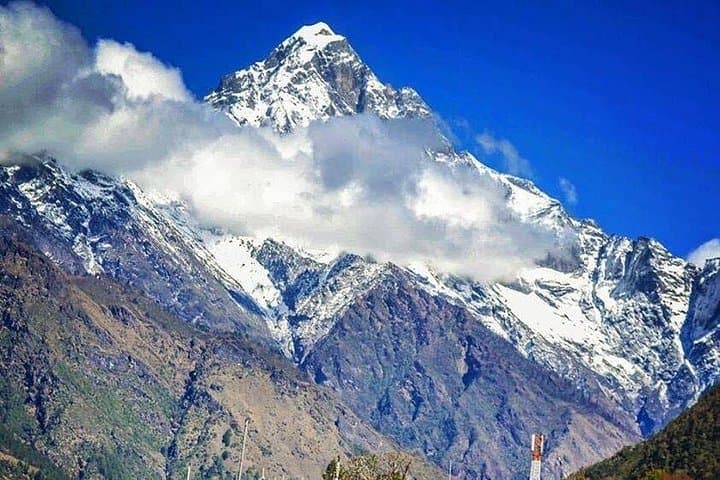
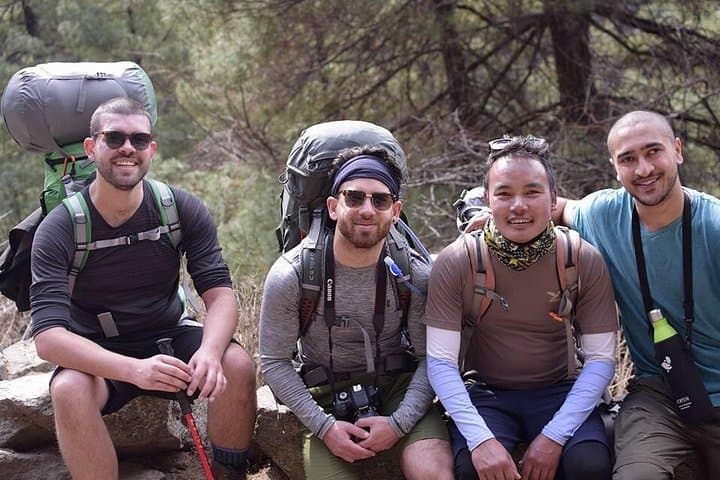
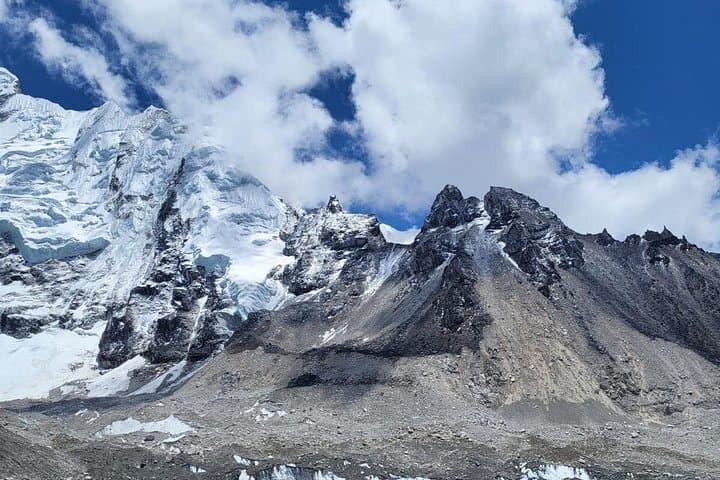
You step off the small Twin Otter in Lukla and the air grabs at your lungs — thin, sharp, alive. The trail immediately slides down to the Dudh Koshi, a braided river that dares you to keep pace, then threads pine and rhododendron forests up toward Namche Bazaar. Over the next two weeks you’ll trade trees for moraine and villages for sky, sleeping in teahouses where yak butter lamps and instant noodle steam mark the end of a long day.
You step off the small Twin Otter in Lukla and the air grabs at your lungs — thin, sharp, alive. The trail immediately slides down to the Dudh Koshi, a braided river that dares you to keep pace, then threads pine and rhododendron forests up toward Namche Bazaar. Over the next two weeks you’ll trade trees for moraine and villages for sky, sleeping in teahouses where yak butter lamps and instant noodle steam mark the end of a long day.
The Khumbu sits on the collision zone of the Indian and Eurasian plates; moraine fields and the Khumbu Glacier tell a geological story of uplift and ice. Culturally, this is Sherpa country — Tengboche Monastery's chants and the legacy of Tenzing Norgay and Sir Edmund Hillary are part of the route’s living history.
Expect steady, 5–8 hour walking days with harder, rocky sections above Lobuche. Acclimatization is non-negotiable: scheduled rest days at Namche and Dingboche reduce acute mountain sickness risk. Teahouses provide simple meals and hot water but carry cash; solar chargers are common but limited. Lukla flights are weather-dependent — build buffer days into your schedule or plan a road alternative via Ramechhap.
Practical gear choices and pacing matter more than speed. Use layered clothing, a warm sleeping bag rated for sub-zero temperatures, and reliable boots. Hydrate often; avoid alcohol at altitude. The reward is tangible: sunrise on Kala Patthar, Everest framed by ridgelines, and a sense of having walked into the high alpine heart of the world.