THE ADVENTURE COLLECTIVE® · Independent discovery and booking for outdoor travel

Traverse wind‑carved dunes, study dinosaur‑era cliffs and live with nomadic families on a 14‑day route that links the Gobi Desert to central Mongolia’s volcanic parks. Expect camel rides, crater hikes, hot springs and hands‑on cultural exchange.
Traverse wind‑carved dunes, study dinosaur‑era cliffs and live with nomadic families on a 14‑day route that links the Gobi Desert to central Mongolia’s volcanic parks. Expect camel rides, crater hikes, hot springs and hands‑on cultural exchange.
You crest the Khongor sand sea as the sun bleeds low, and the dunes—an arcing spine 180 kilometers long—seem to roll like an inland ocean. Wind pushes the sand into new shapes overnight; when it finds the right throat the dunes sing, a high, strange tone that dares you to stay awake and listen. A two-humped camel breathes beside you, patient and sure, while a ger camp’s smoke curls from the steppe beyond.
Verified experiences and guided adventures in the surrounding area.
Operated by Top Tours Mongolia · Ulaanbaatar, Ulaanbaatar
You crest the Khongor sand sea as the sun bleeds low, and the dunes—an arcing spine 180 kilometers long—seem to roll like an inland ocean. Wind pushes the sand into new shapes overnight; when it finds the right throat the dunes sing, a high, strange tone that dares you to stay awake and listen. A two-humped camel breathes beside you, patient and sure, while a ger camp’s smoke curls from the steppe beyond.
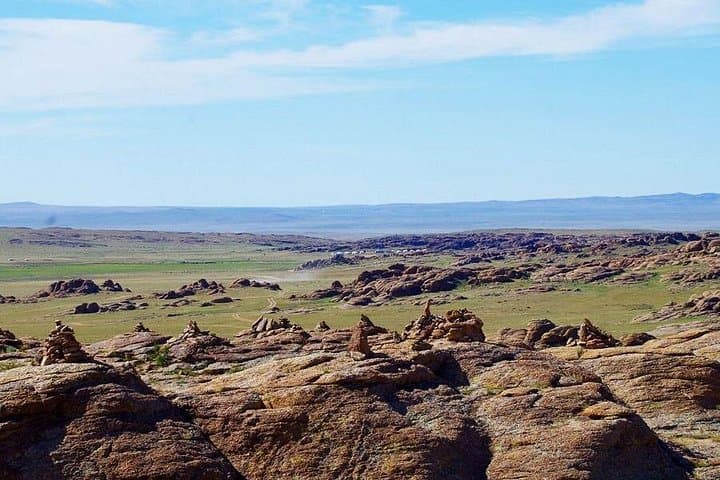
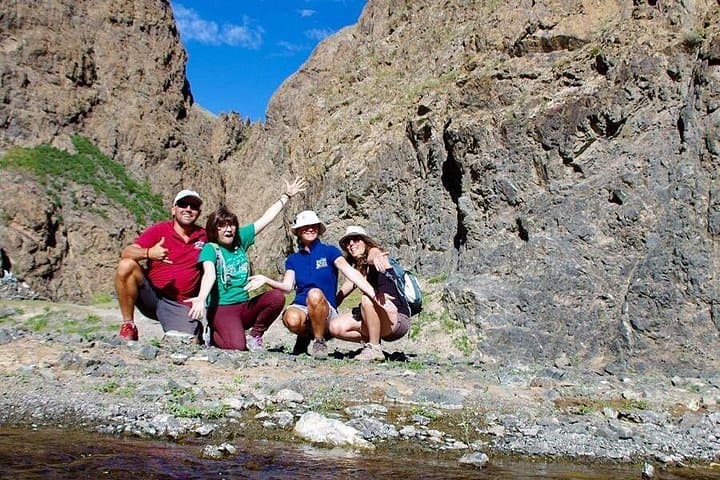
This 14-day circuit threads the stark theater of the Gobi with the pine‑lined craters and rivers of central Mongolia. Start where the desert writes itself in wind—Khongoryn Els (dunes up to ~400 m high and 20 km across)—then move to the ochre cliffs of Bayan Zag (the Flaming Cliffs), where Roy Chapman Andrews uncovered dinosaur eggs a century ago. Yoliin Am, the “Vulture Valley” in the Three Beauties National Park, cuts a cold, glacier‑fed slot canyon where ice persists into summer beneath sheer rock walls. In central Mongolia you will hike to Khorgo volcano (approx. 2,210 m), soak in Tsenkher’s mineral hot spring (up to 86°C at source), and live with families in the Orkhon Valley—whose Red Waterfall cascades roughly 20 m and speaks to the region’s seismic past.
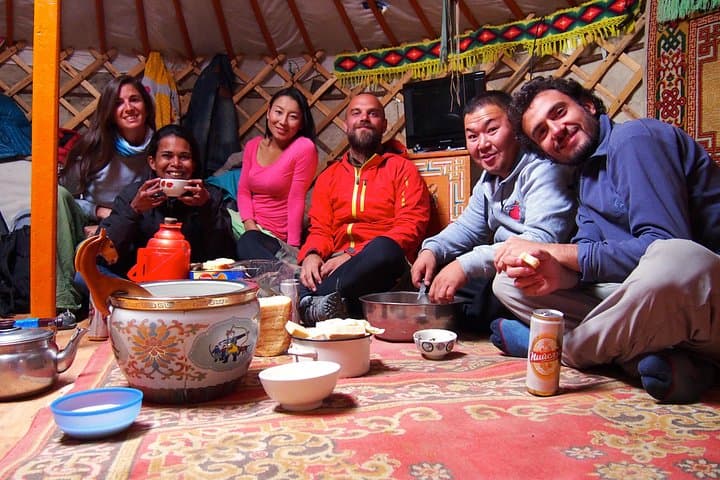
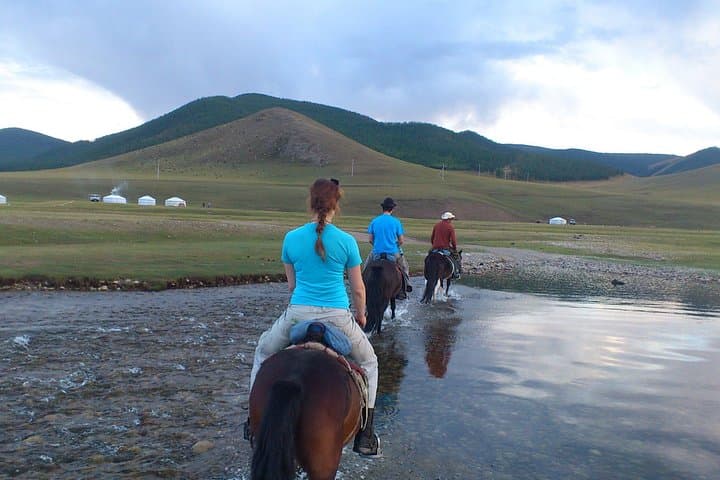
Geology here is brazen: wind‑sculpted dunes, Cretaceous red beds at Flaming Cliffs, and recent volcanism around Khorgo. Culture is equally direct—nomadic camps, animal husbandry, and ritual offerings on ovoos. The itinerary mixes short drives and long cross‑country transfers, daily walks ranging from 2–6 km to longer treks and 2–4 hour camel rides, plus opportunities to ride horses or join household dairy work with local families.
Practical edge: pack for extremes. Days in the Gobi can scorch; nights plunge cold. Expect dusty tracks and uneven terrain—sturdy boots are non‑negotiable. You’ll sleep mainly in gers and local family homes; a sleeping bag and small pad are provided but bring preferred liners. Hydration matters more than pace—carry at least 2–3 liters for desert outings and top up at lodges or camps. Tsenkher’s hot spring is therapeutic but strong in sulfur; avoid immersion if you have open wounds.
Timing: late spring to early fall gives the best balance of warmth and road access; winter travel is possible but remote roads are harsh. Physically, a moderate level of fitness is required for multi‑day riding and repeated day hikes. Respect local customs—ask before photographing people and accept invitations to try local dairy or a game of ankle‑bone bones; these are entry points into everyday Mongolian life.
This is a trip of contrast—dunes that sing, cliffs that bleed red, volcanic cones and rivers that still carry the pulse of an empire. It’s less about checking boxes and more about moving at the steppe’s pace: alert, patient, and willing to be changed.
A moderate level of fitness is recommended: you should be comfortable with 2–6 km hikes, several hours of camel or horse riding, and long vehicle transfers.
Expect 2–4 hours of camel trekking on Gobi days, daily short hikes (2 hours common) and occasional longer hikes up to 6 km, plus driving between regions.
Yes—accommodations alternate between ger camps, local family homes and camping; sleeping bag, tent and mattress are included in the tour kit.
Yes—there are bathing facilities; note the source reaches ~86°C so pools are regulated and may smell strongly of sulfur.
The itinerary involves uneven terrain, camel/horse riding and multiple transfers, so it's not ideal for those with significant mobility limits or very young children.
Carry cash (MNT) for small purchases and gifts; remote areas have limited cell service and Wi‑Fi is sporadic outside Ulaanbaatar.
Top Tours Mongolia operates guided outdoor trips and adventures with an emphasis on safety, stewardship, and memorable experiences.
You crest the Khongor sand sea as the sun bleeds low, and the dunes—an arcing spine 180 kilometers long—seem to roll like an inland ocean. Wind pushes the sand into new shapes overnight; when it finds the right throat the dunes sing, a high, strange tone that dares you to stay awake and listen. A two-humped camel breathes beside you, patient and sure, while a ger camp’s smoke curls from the steppe beyond.
You crest the Khongor sand sea as the sun bleeds low, and the dunes—an arcing spine 180 kilometers long—seem to roll like an inland ocean. Wind pushes the sand into new shapes overnight; when it finds the right throat the dunes sing, a high, strange tone that dares you to stay awake and listen. A two-humped camel breathes beside you, patient and sure, while a ger camp’s smoke curls from the steppe beyond.
This 14-day circuit threads the stark theater of the Gobi with the pine‑lined craters and rivers of central Mongolia. Start where the desert writes itself in wind—Khongoryn Els (dunes up to ~400 m high and 20 km across)—then move to the ochre cliffs of Bayan Zag (the Flaming Cliffs), where Roy Chapman Andrews uncovered dinosaur eggs a century ago. Yoliin Am, the “Vulture Valley” in the Three Beauties National Park, cuts a cold, glacier‑fed slot canyon where ice persists into summer beneath sheer rock walls. In central Mongolia you will hike to Khorgo volcano (approx. 2,210 m), soak in Tsenkher’s mineral hot spring (up to 86°C at source), and live with families in the Orkhon Valley—whose Red Waterfall cascades roughly 20 m and speaks to the region’s seismic past.
Geology here is brazen: wind‑sculpted dunes, Cretaceous red beds at Flaming Cliffs, and recent volcanism around Khorgo. Culture is equally direct—nomadic camps, animal husbandry, and ritual offerings on ovoos. The itinerary mixes short drives and long cross‑country transfers, daily walks ranging from 2–6 km to longer treks and 2–4 hour camel rides, plus opportunities to ride horses or join household dairy work with local families.
Practical edge: pack for extremes. Days in the Gobi can scorch; nights plunge cold. Expect dusty tracks and uneven terrain—sturdy boots are non‑negotiable. You’ll sleep mainly in gers and local family homes; a sleeping bag and small pad are provided but bring preferred liners. Hydration matters more than pace—carry at least 2–3 liters for desert outings and top up at lodges or camps. Tsenkher’s hot spring is therapeutic but strong in sulfur; avoid immersion if you have open wounds.
Timing: late spring to early fall gives the best balance of warmth and road access; winter travel is possible but remote roads are harsh. Physically, a moderate level of fitness is required for multi‑day riding and repeated day hikes. Respect local customs—ask before photographing people and accept invitations to try local dairy or a game of ankle‑bone bones; these are entry points into everyday Mongolian life.
This is a trip of contrast—dunes that sing, cliffs that bleed red, volcanic cones and rivers that still carry the pulse of an empire. It’s less about checking boxes and more about moving at the steppe’s pace: alert, patient, and willing to be changed.