THE ADVENTURE COLLECTIVE® · Independent discovery and booking for outdoor travel

A fully guided 14-day private circuit from Delhi through the Golden Triangle and Rajasthan, covering Delhi, Agra, Jaipur and the desert cities of Jaisalmer and Jodhpur. Ideal for travelers who want curated heritage visits, private transfers, and local guides without the logistics hassle.
A fully guided 14-day private circuit from Delhi through the Golden Triangle and Rajasthan, covering Delhi, Agra, Jaipur and the desert cities of Jaisalmer and Jodhpur. Ideal for travelers who want curated heritage visits, private transfers, and local guides without the logistics hassle.
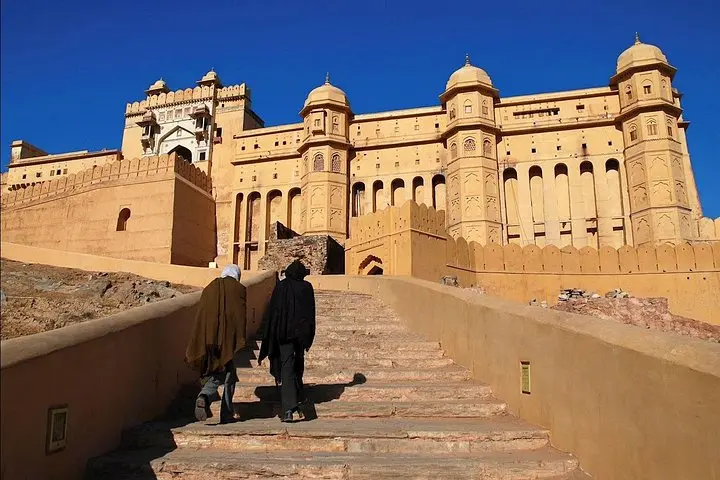
You step out of New Delhi's humid air into a private car that hums through dawn traffic, the city giving way to wide highways and sun-bleached plains. Over 14 days the landscape changes like chapters: colonial avenues and Mughal domes in Delhi, the moon-white symmetry of the Taj at sunrise, ochre forts that climb like living walls above Rajasthan's scrub, and the slow sweep of the Thar Desert where dunes push and fold under the wind.
Verified experiences and guided adventures in the surrounding area.
Operated by Bagga India Tour · New Delhi, Delhi
You step out of New Delhi's humid air into a private car that hums through dawn traffic, the city giving way to wide highways and sun-bleached plains. Over 14 days the landscape changes like chapters: colonial avenues and Mughal domes in Delhi, the moon-white symmetry of the Taj at sunrise, ochre forts that climb like living walls above Rajasthan's scrub, and the slow sweep of the Thar Desert where dunes push and fold under the wind.
This itinerary stitches together major heritage sites—Qutub Minar and Humayun's Tomb, Agra Fort and the Taj Mahal, Jaipur's Jantar Mantar, the havelis of Mandawa, and the golden ramparts of Jaisalmer—tracing Mughal and Rajput histories that shaped northern India. Geologically the route moves from the Indo-Gangetic plain into arid desert soils and lake-studded basins around Udaipur; culturally you’ll encounter living crafts—block printing, blue pottery, and marble inlay—and local rituals in Pushkar’s pilgrimage town.
Practical guidance: expect long drives on good highways (Yamuna Expressway for Agra), private hotel transfers, and city guides in English. Mornings are best for major monuments to avoid heat and crowds; carry water and a sun hat for midday sightseeing. Dress respectfully at religious sites and plan for early starts at the Taj to capture the light. Lodging varies from city hotels to optional desert camps—book in advance for high season (winter). With modest daily walking and comfortable transport, this route is accessible to travelers who can handle consecutive travel days and intermittent heat.
Most foreign nationals require a visa or e-visa before arrival—check your country's requirements and apply in advance.
November to February is ideal—cooler days and clear skies; avoid peak summer months (May–June) for extreme heat.
This tour provides transfers and sightseeing; hotel nights are not included—book recommended hotels in each city or request upgrades when booking.
Yes—it's paced for general travelers, but consult if there are mobility issues or health concerns due to long drives and some walking on uneven surfaces.
Bagga India Tour operates guided outdoor trips and adventures with an emphasis on safety, stewardship, and memorable experiences.
You step out of New Delhi's humid air into a private car that hums through dawn traffic, the city giving way to wide highways and sun-bleached plains. Over 14 days the landscape changes like chapters: colonial avenues and Mughal domes in Delhi, the moon-white symmetry of the Taj at sunrise, ochre forts that climb like living walls above Rajasthan's scrub, and the slow sweep of the Thar Desert where dunes push and fold under the wind.
You step out of New Delhi's humid air into a private car that hums through dawn traffic, the city giving way to wide highways and sun-bleached plains. Over 14 days the landscape changes like chapters: colonial avenues and Mughal domes in Delhi, the moon-white symmetry of the Taj at sunrise, ochre forts that climb like living walls above Rajasthan's scrub, and the slow sweep of the Thar Desert where dunes push and fold under the wind.
This itinerary stitches together major heritage sites—Qutub Minar and Humayun's Tomb, Agra Fort and the Taj Mahal, Jaipur's Jantar Mantar, the havelis of Mandawa, and the golden ramparts of Jaisalmer—tracing Mughal and Rajput histories that shaped northern India. Geologically the route moves from the Indo-Gangetic plain into arid desert soils and lake-studded basins around Udaipur; culturally you’ll encounter living crafts—block printing, blue pottery, and marble inlay—and local rituals in Pushkar’s pilgrimage town.
Practical guidance: expect long drives on good highways (Yamuna Expressway for Agra), private hotel transfers, and city guides in English. Mornings are best for major monuments to avoid heat and crowds; carry water and a sun hat for midday sightseeing. Dress respectfully at religious sites and plan for early starts at the Taj to capture the light. Lodging varies from city hotels to optional desert camps—book in advance for high season (winter). With modest daily walking and comfortable transport, this route is accessible to travelers who can handle consecutive travel days and intermittent heat.