THE ADVENTURE COLLECTIVE® · Independent discovery and booking for outdoor travel

From Jebel Shams’ canyon rim to the whispering dunes of the Empty Quarter, this 14-day camping expedition reveals Oman’s wild heart—then follows the frankincense trail to Salalah and a string of empty beaches. Expect starry desert nights, short hikes, wadi swims, and UNESCO-listed history woven into a seamless overland arc.
From Jebel Shams’ canyon rim to the whispering dunes of the Empty Quarter, this 14-day camping expedition reveals Oman’s wild heart—then follows the frankincense trail to Salalah and a string of empty beaches. Expect starry desert nights, short hikes, wadi swims, and UNESCO-listed history woven into a seamless overland arc.
First light spills across Muscat’s corniche as the Hajar Mountains shrug off the night. By mid-morning, the journey bends inland to Nakhal’s mud-brick fort and its palm-shaded hot spring, then climbs gravel tracks into Wadi Bani Awf, where Snake Canyon narrows the sky and the stone village of Balad Sayt sits ringed by cliffs like an ancient amphitheater. The road keeps rising until the rim of Jebel Shams—3,009 meters—delivers a sudden, vertigo-tinged reveal of Wadi Nakhar, the so-called Grand Canyon of Arabia. Up here, the air cools quickly and sunset runs its fingers over fractured limestone.
Verified experiences and guided adventures in the surrounding area.
Operated by Discover Mazoon Tours Oman · Muscat, Muscat Governorate
First light spills across Muscat’s corniche as the Hajar Mountains shrug off the night. By mid-morning, the journey bends inland to Nakhal’s mud-brick fort and its palm-shaded hot spring, then climbs gravel tracks into Wadi Bani Awf, where Snake Canyon narrows the sky and the stone village of Balad Sayt sits ringed by cliffs like an ancient amphitheater. The road keeps rising until the rim of Jebel Shams—3,009 meters—delivers a sudden, vertigo-tinged reveal of Wadi Nakhar, the so-called Grand Canyon of Arabia. Up here, the air cools quickly and sunset runs its fingers over fractured limestone.
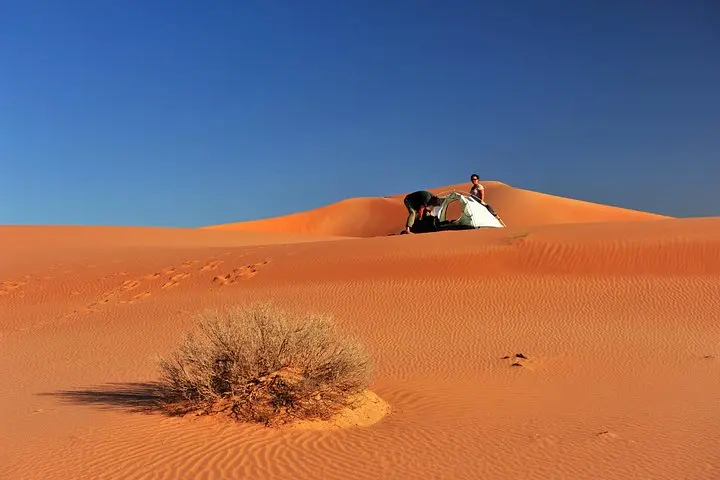
Oman’s contrasts anchor this 14-day, 4WD-supported camping odyssey: rugged mountain hamlets, 17th-century strongholds like Nizwa Fort and its bustling souq, and the vast Rub’ al Khali, where dunes drift like slow waves and silence presses the ears. Nights in the Empty Quarter are about clean horizons and blazing stars; mornings, about early starts before the sand begins to shimmer. The desert shifts moods hourly—wind combs crests, heat wavers, tracks soften—and the guide handles the deep-sand driving so guests can walk ridgelines and watch the sun pour down their flanks.
South, Dhofar’s limestone plateau tilts toward the sea. The UNESCO-listed frankincense landscapes come into view: the archaeological city of Al-Baleed, the frankincense reserve at Wadi Dawkah, and Sumhuram at Khor Rori, once a fortified port feeding the incense trade that perfumed temples as far as the Mediterranean. In Salalah, the Arabian Sea breaks lazily on white sand, and the blowholes at Al-Mughsail thump the air in time with the surf. The land breathes differently here—especially during khareef (the June–September monsoon), when hills wear a misty green mantle.
The coast northbound is a string of headlands and crescents: the cliffs and coves of Ras Madrakah, the Eocene stone sculptures of Duqm’s Rock Garden, and the Sugar Dunes near Al Khaluf where powder-white sand slides into turquoise water. Ras Al Hadd adds a rare night encounter at Ras Al Jinz Turtle Reserve, where green sea turtles haul themselves ashore to nest under a vault of stars. Finally, the wadis return: Wadi Shab’s 35–40 minute canyon walk ends with a swim through clear pools into a hidden cavern, and the Bimmah Sinkhole’s blue eye offers a last plunge before Muscat’s lights close the loop.
Best done October–April, this route blends wild camping with select hotel nights for resets (Jebel Shams, Nizwa, Salalah, Ras Al Hadd). Expect 2–6 hours of driving most days, short hikes on rocky or sandy terrain, swims in wadis, and plenty of time to let the country’s geology, history, and generous pace do the talking.
A 4WD support vehicle carries tents, sleeping mats, cooking gear, and meals; guides handle camp setup and food preparation on camping nights.
Hikes are generally short and moderate—think a 35–40 minute walk in Wadi Shab with swimming, village strolls, and dune walks—rather than full-day treks.
October through April offers warm days and cooler nights. June–September brings the khareef monsoon to Dhofar (cooler and misty) but extreme heat in the north.
Wild camps have no built facilities; expect Leave No Trace practices. Showers are available on hotel nights throughout the itinerary.
Yes—advise your preferences at booking; guides can plan meals accordingly, especially for camping nights.
Photography is tightly controlled; flash is prohibited and guides may restrict shooting to protect the turtles. Always follow ranger instructions.
Discover Mazoon Tours Oman operates guided outdoor trips and adventures with an emphasis on safety, stewardship, and memorable experiences.
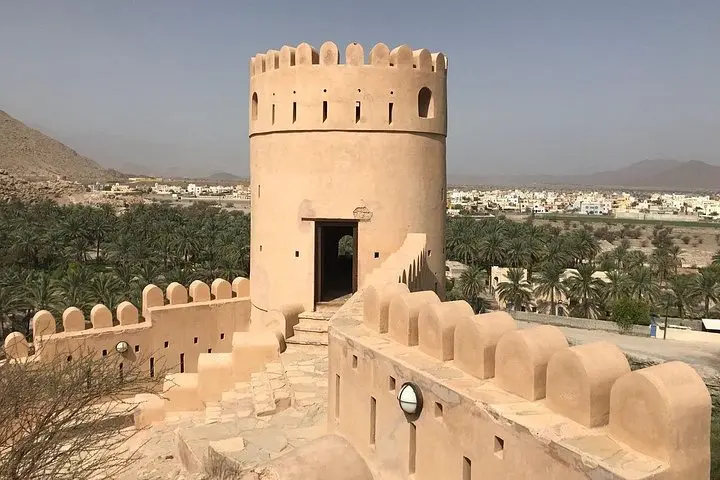
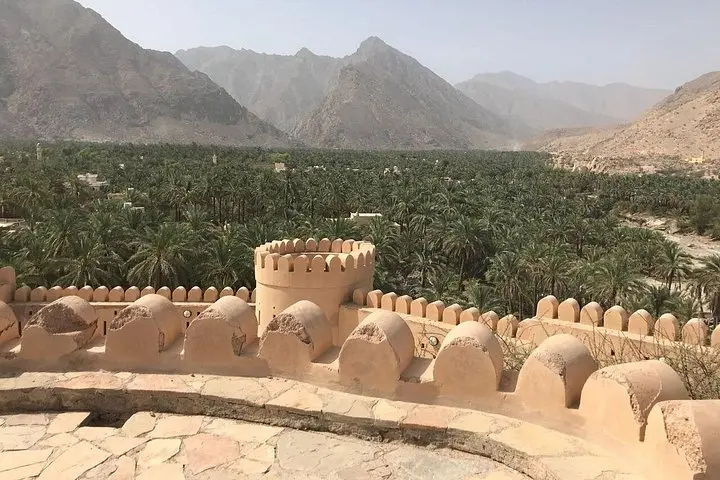
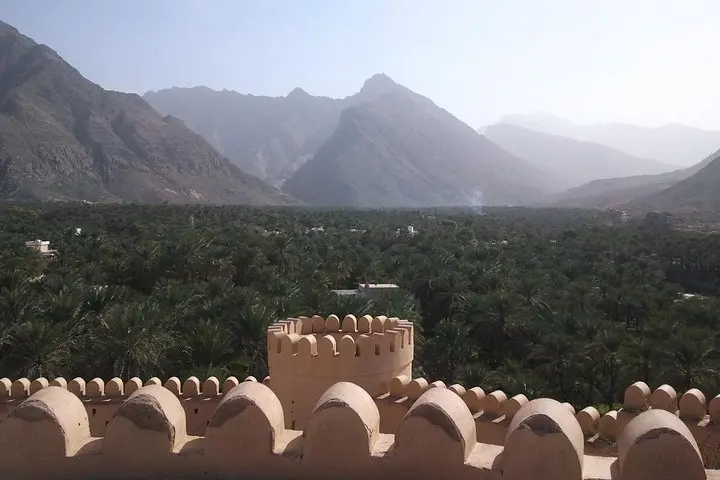
First light spills across Muscat’s corniche as the Hajar Mountains shrug off the night. By mid-morning, the journey bends inland to Nakhal’s mud-brick fort and its palm-shaded hot spring, then climbs gravel tracks into Wadi Bani Awf, where Snake Canyon narrows the sky and the stone village of Balad Sayt sits ringed by cliffs like an ancient amphitheater. The road keeps rising until the rim of Jebel Shams—3,009 meters—delivers a sudden, vertigo-tinged reveal of Wadi Nakhar, the so-called Grand Canyon of Arabia. Up here, the air cools quickly and sunset runs its fingers over fractured limestone.
First light spills across Muscat’s corniche as the Hajar Mountains shrug off the night. By mid-morning, the journey bends inland to Nakhal’s mud-brick fort and its palm-shaded hot spring, then climbs gravel tracks into Wadi Bani Awf, where Snake Canyon narrows the sky and the stone village of Balad Sayt sits ringed by cliffs like an ancient amphitheater. The road keeps rising until the rim of Jebel Shams—3,009 meters—delivers a sudden, vertigo-tinged reveal of Wadi Nakhar, the so-called Grand Canyon of Arabia. Up here, the air cools quickly and sunset runs its fingers over fractured limestone.
Oman’s contrasts anchor this 14-day, 4WD-supported camping odyssey: rugged mountain hamlets, 17th-century strongholds like Nizwa Fort and its bustling souq, and the vast Rub’ al Khali, where dunes drift like slow waves and silence presses the ears. Nights in the Empty Quarter are about clean horizons and blazing stars; mornings, about early starts before the sand begins to shimmer. The desert shifts moods hourly—wind combs crests, heat wavers, tracks soften—and the guide handles the deep-sand driving so guests can walk ridgelines and watch the sun pour down their flanks.
South, Dhofar’s limestone plateau tilts toward the sea. The UNESCO-listed frankincense landscapes come into view: the archaeological city of Al-Baleed, the frankincense reserve at Wadi Dawkah, and Sumhuram at Khor Rori, once a fortified port feeding the incense trade that perfumed temples as far as the Mediterranean. In Salalah, the Arabian Sea breaks lazily on white sand, and the blowholes at Al-Mughsail thump the air in time with the surf. The land breathes differently here—especially during khareef (the June–September monsoon), when hills wear a misty green mantle.
The coast northbound is a string of headlands and crescents: the cliffs and coves of Ras Madrakah, the Eocene stone sculptures of Duqm’s Rock Garden, and the Sugar Dunes near Al Khaluf where powder-white sand slides into turquoise water. Ras Al Hadd adds a rare night encounter at Ras Al Jinz Turtle Reserve, where green sea turtles haul themselves ashore to nest under a vault of stars. Finally, the wadis return: Wadi Shab’s 35–40 minute canyon walk ends with a swim through clear pools into a hidden cavern, and the Bimmah Sinkhole’s blue eye offers a last plunge before Muscat’s lights close the loop.
Best done October–April, this route blends wild camping with select hotel nights for resets (Jebel Shams, Nizwa, Salalah, Ras Al Hadd). Expect 2–6 hours of driving most days, short hikes on rocky or sandy terrain, swims in wadis, and plenty of time to let the country’s geology, history, and generous pace do the talking.