THE ADVENTURE COLLECTIVE® · Independent discovery and booking for outdoor travel

Traverse Peru in two weeks: from Lima’s colonial streets to the dizzying terraces of Colca, the floating islands of Titicaca and the ancient stones of Machu Picchu. This itinerary mixes long travel days with targeted hikes and authentic village stays.
Traverse Peru in two weeks: from Lima’s colonial streets to the dizzying terraces of Colca, the floating islands of Titicaca and the ancient stones of Machu Picchu. This itinerary mixes long travel days with targeted hikes and authentic village stays.
You step out of the van at dawn and the Andes greet you raw and high: dry wind polishing terraces, condors riding the thermals above Colca, and the pale turquoise of Humantay Lake daring you up a steep moraine.
Verified experiences and guided adventures in the surrounding area.
Operated by Chullos Travel Peru · Cusco, Cusco Region
You step out of the van at dawn and the Andes greet you raw and high: dry wind polishing terraces, condors riding the thermals above Colca, and the pale turquoise of Humantay Lake daring you up a steep moraine.
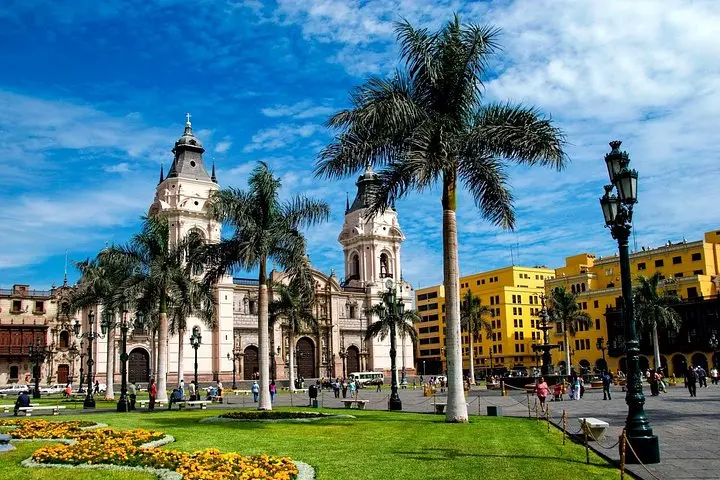
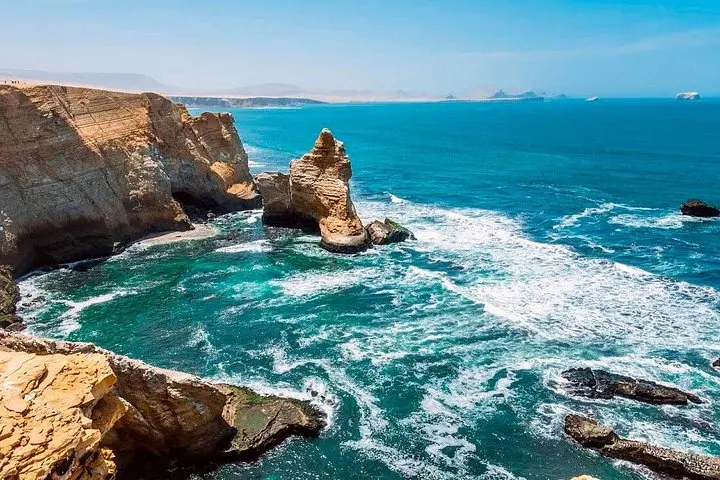
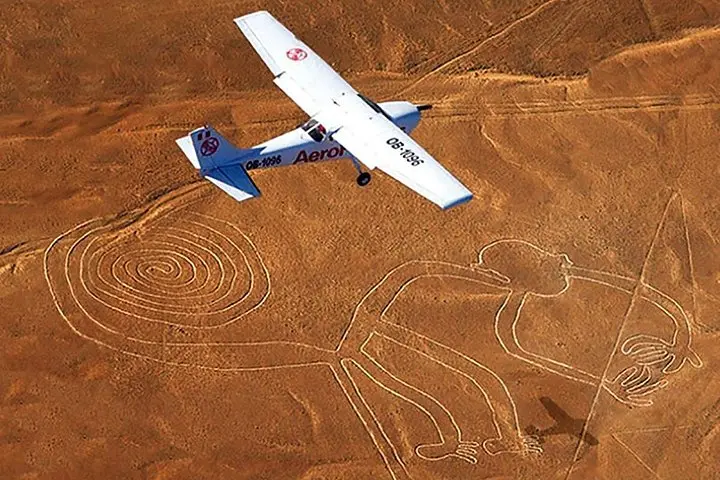
This 14-day circuit threads Peru’s defining landscapes—coastal Lima, the desert of Huacachina and the Nazca overflight, colonial Arequipa and the vertiginous Colca Canyon, the reed islands of Lake Titicaca, and the high valleys of Cusco that cradle the Inca capital and Machu Picchu. Geology is on display: uplifted volcanic peaks and glacial cirques funnel melt into alpine lakes; the concentric agricultural bowls at Moray reveal deliberate Inca microclimates; Maras’ salt pans are an anthropogenic geology of evaporation pools.
Expect cultural encounters as well—homestays on Amantani, Quechua-speaking farmers tending terraces, and markets still traded by barter. Logistics matter: Machu Picchu access follows Ministry of Culture circuits (tickets sell out), trains run from Ollantaytambo to Aguas Calientes, and many days begin before sunrise.
Practical guidance: Cusco sits near 3,400 m—plan 48 hours to acclimatize before hard hikes. Humantay Lake is a ~3–4 km uphill walk from Soraypampa with ~400 m gain; Rainbow Mountain approaches 4–8 km round-trip with summit altitudes above 5,000 m. Bring layered clothing, sun protection, and a daypack for steep, rocky trails. Hydrate early and move slowly on first ascents.
This itinerary balances long travel days with targeted hikes and cultural stops—rewarding for travelers who want high‑altitude landscapes, archaeological depth, and village‑level encounters across Peru’s spine.
Yes. The Ministry of Culture limits daily entries and sells tickets by circuit; purchase tickets and train reservations before travel to avoid sold‑out dates.
A typical Humantay trek is a steep 1.5–2 hour ascent from Soraypampa with roughly 350–450 m of elevation gain—moderately strenuous at altitude.
Many travelers experience mild symptoms above 3,000 m; plan rest days in Cusco/Puno, hydrate, avoid heavy exertion initially, and consult a doctor about prophylactics if concerned.
This itinerary includes many breakfasts and several lunches, plus a mix of 3‑star hotels and at least one family homestay; confirm specifics before booking.
Chullos Travel Peru operates guided outdoor trips and adventures with an emphasis on safety, stewardship, and memorable experiences.
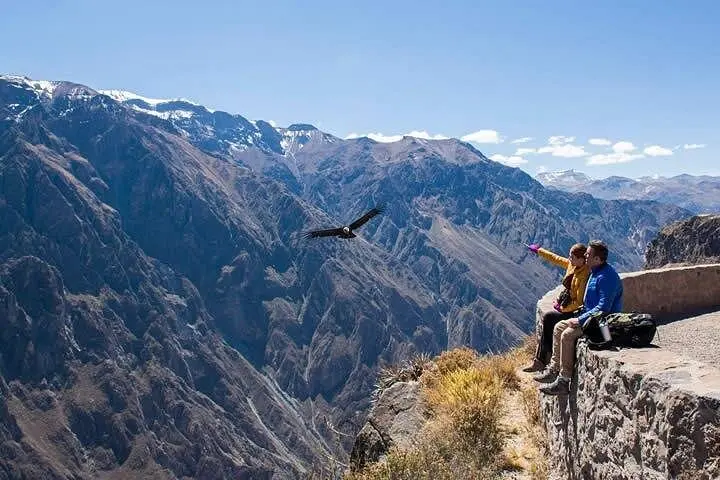
You step out of the van at dawn and the Andes greet you raw and high: dry wind polishing terraces, condors riding the thermals above Colca, and the pale turquoise of Humantay Lake daring you up a steep moraine.
You step out of the van at dawn and the Andes greet you raw and high: dry wind polishing terraces, condors riding the thermals above Colca, and the pale turquoise of Humantay Lake daring you up a steep moraine.
This 14-day circuit threads Peru’s defining landscapes—coastal Lima, the desert of Huacachina and the Nazca overflight, colonial Arequipa and the vertiginous Colca Canyon, the reed islands of Lake Titicaca, and the high valleys of Cusco that cradle the Inca capital and Machu Picchu. Geology is on display: uplifted volcanic peaks and glacial cirques funnel melt into alpine lakes; the concentric agricultural bowls at Moray reveal deliberate Inca microclimates; Maras’ salt pans are an anthropogenic geology of evaporation pools.
Expect cultural encounters as well—homestays on Amantani, Quechua-speaking farmers tending terraces, and markets still traded by barter. Logistics matter: Machu Picchu access follows Ministry of Culture circuits (tickets sell out), trains run from Ollantaytambo to Aguas Calientes, and many days begin before sunrise.
Practical guidance: Cusco sits near 3,400 m—plan 48 hours to acclimatize before hard hikes. Humantay Lake is a ~3–4 km uphill walk from Soraypampa with ~400 m gain; Rainbow Mountain approaches 4–8 km round-trip with summit altitudes above 5,000 m. Bring layered clothing, sun protection, and a daypack for steep, rocky trails. Hydrate early and move slowly on first ascents.
This itinerary balances long travel days with targeted hikes and cultural stops—rewarding for travelers who want high‑altitude landscapes, archaeological depth, and village‑level encounters across Peru’s spine.