THE ADVENTURE COLLECTIVE® · Independent discovery and booking for outdoor travel

A private 14‑day trek from Pokhara to Annapurna Base Camp that combines Poon Hill sunrise views, teahouse nights and high‑alpine walking—ideal for trekkers who want guided logistics with local culture and acclimatized pacing.
A private 14‑day trek from Pokhara to Annapurna Base Camp that combines Poon Hill sunrise views, teahouse nights and high‑alpine walking—ideal for trekkers who want guided logistics with local culture and acclimatized pacing.
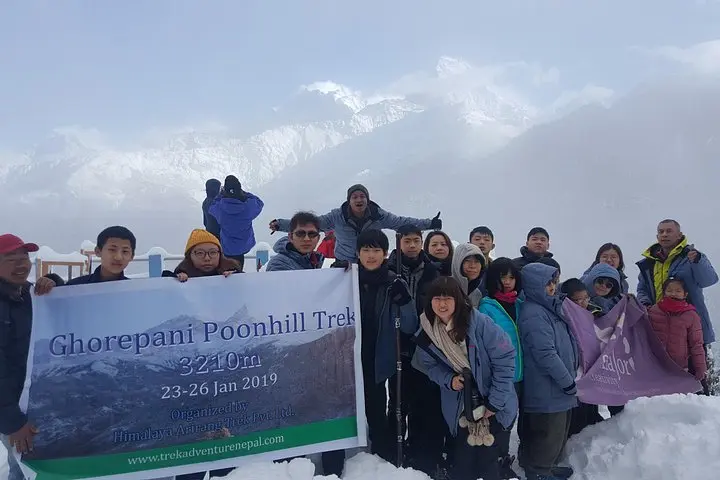
You step off the jeep in Nayapul with dust on your boots and a line of stone steps ahead that seem to climb the sky itself. The trail eats switchbacks through rhododendron forest, opens onto hilltop views at Ghorepani and Poon Hill, then tightens into the high, thin air above Deurali where moraine and scree begin to challenge your footing.
Verified experiences and guided adventures in the surrounding area.
Operated by Himalaya Arirang Trek Private Limited - Kathmandu Sightseeing · Pokhara, Gandaki Province
You step off the jeep in Nayapul with dust on your boots and a line of stone steps ahead that seem to climb the sky itself. The trail eats switchbacks through rhododendron forest, opens onto hilltop views at Ghorepani and Poon Hill, then tightens into the high, thin air above Deurali where moraine and scree begin to challenge your footing.
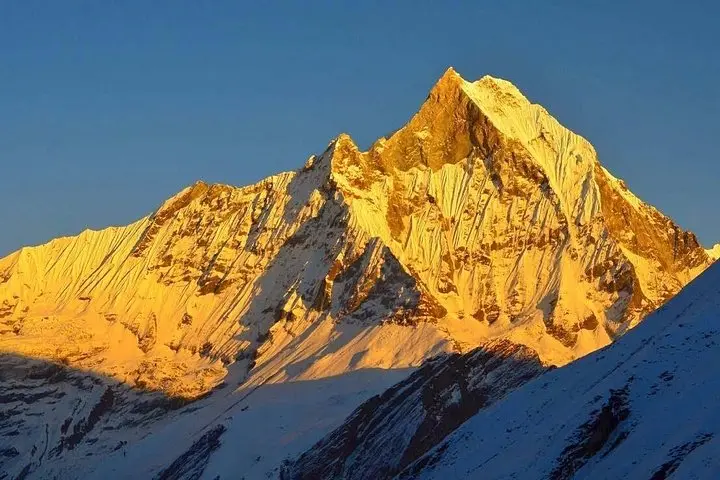
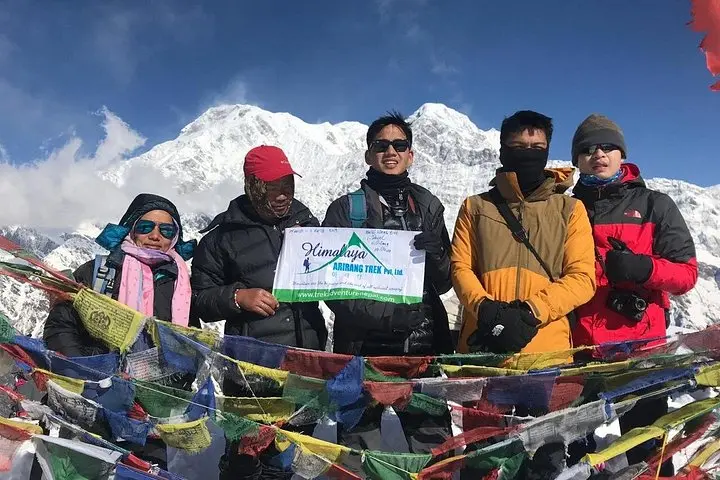
This 14-day route threads local Gurung and Magar villages, centuries-old stone stairs and the protected Annapurna Conservation Area (est. 1986). Geologically the corridor moves from subtropical foothills to glacial cirques beneath Annapurna I and Machhapuchhre; expect 2,600–3,000 m of cumulative elevation gain and roughly 70–80 km of walking across mixed terrain—packed dirt, rock steps and high meadow. Culture is visible: prayer flags at passes, teahouse hearths and hospitality from village homestays and lodges.
In practice, the trek mixes long walking days (4–7 hours) with acclimatization at Poon Hill and a summit day to ABC at ~4,130 m. Trail conditions favor sturdy boots and trekking poles: stone steps can be slick in rain and scree near base camp requires steady footing. Hydration, gradual pacing and a layered clothing system are essential. Carry a headlamp for early starts to catch sunrise on Poon Hill, and budget time for weather delays—the mountains can change mood in an hour. Permits (ACAP & TIMS) are required; hiring local guides and porters supports the communities that keep the trails open.
You need an Annapurna Conservation Area Permit (ACAP) and a TIMS card; your operator typically arranges these before trekking.
Annapurna Base Camp sits around 4,130 m (13,550 ft), which requires attention to acclimatization and altitude symptoms.
Teahouses are basic lodges offering simple meals and shared rooms—expect limited hot water and communal bathrooms at higher elevations.
Spring (Mar–May) and autumn (Sep–Nov) offer the most stable weather and clear mountain views; winter is cold and monsoon is wet.
Himalaya Arirang Trek Private Limited - Kathmandu Sightseeing operates guided outdoor trips and adventures with an emphasis on safety, stewardship, and memorable experiences.
You step off the jeep in Nayapul with dust on your boots and a line of stone steps ahead that seem to climb the sky itself. The trail eats switchbacks through rhododendron forest, opens onto hilltop views at Ghorepani and Poon Hill, then tightens into the high, thin air above Deurali where moraine and scree begin to challenge your footing.
You step off the jeep in Nayapul with dust on your boots and a line of stone steps ahead that seem to climb the sky itself. The trail eats switchbacks through rhododendron forest, opens onto hilltop views at Ghorepani and Poon Hill, then tightens into the high, thin air above Deurali where moraine and scree begin to challenge your footing.
This 14-day route threads local Gurung and Magar villages, centuries-old stone stairs and the protected Annapurna Conservation Area (est. 1986). Geologically the corridor moves from subtropical foothills to glacial cirques beneath Annapurna I and Machhapuchhre; expect 2,600–3,000 m of cumulative elevation gain and roughly 70–80 km of walking across mixed terrain—packed dirt, rock steps and high meadow. Culture is visible: prayer flags at passes, teahouse hearths and hospitality from village homestays and lodges.
In practice, the trek mixes long walking days (4–7 hours) with acclimatization at Poon Hill and a summit day to ABC at ~4,130 m. Trail conditions favor sturdy boots and trekking poles: stone steps can be slick in rain and scree near base camp requires steady footing. Hydration, gradual pacing and a layered clothing system are essential. Carry a headlamp for early starts to catch sunrise on Poon Hill, and budget time for weather delays—the mountains can change mood in an hour. Permits (ACAP & TIMS) are required; hiring local guides and porters supports the communities that keep the trails open.