THE ADVENTURE COLLECTIVE® · Independent discovery and booking for outdoor travel
A private 14-day journey from Kathmandu to Everest Base Camp and Kala Patthar, combining high-altitude trekking, Sherpa culture and glacier vistas. This guide outlines what to expect on trail, how to prepare for altitude, and practical logistics for the classic EBC route.
A private 14-day journey from Kathmandu to Everest Base Camp and Kala Patthar, combining high-altitude trekking, Sherpa culture and glacier vistas. This guide outlines what to expect on trail, how to prepare for altitude, and practical logistics for the classic EBC route.
The trail opens under a washed-sky at Tribhuvan International Airport and you feel Kathmandu shrink beneath the prop wash of a Lukla flight—an airborne preface to a two-week climb into rock, ice and Sherpa culture.
Verified experiences and guided adventures in the surrounding area.
Operated by Glorious Eco Trek Nepal · Kathmandu, Koshi Province
The trail opens under a washed-sky at Tribhuvan International Airport and you feel Kathmandu shrink beneath the prop wash of a Lukla flight—an airborne preface to a two-week climb into rock, ice and Sherpa culture.
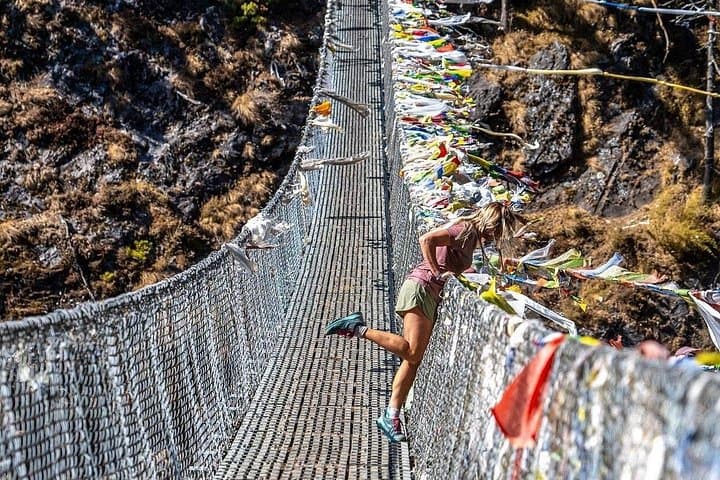
From Lukla the path threads the Dudh Koshi river valley, crosses swinging suspension bridges and pushes through rhododendron forests before Namche Bazaar, the trading hub that has long served as the gateway to the high Himalaya. Geologically this landscape is recent: towering peaks of uplifted marine strata fractured by the collision of the Indian and Eurasian plates. Culturally, Sherpa villages, mani walls and monasteries mark routes older than most maps; Tengboche Monastery and its morning prayers give context to the human rhythms that sustain life at altitude.
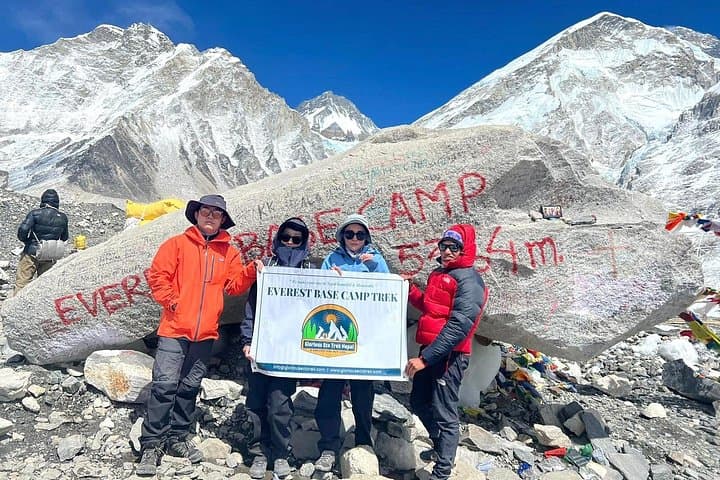
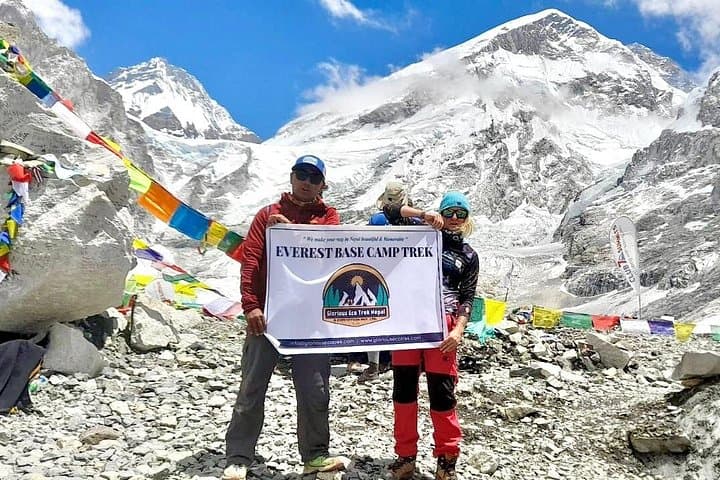
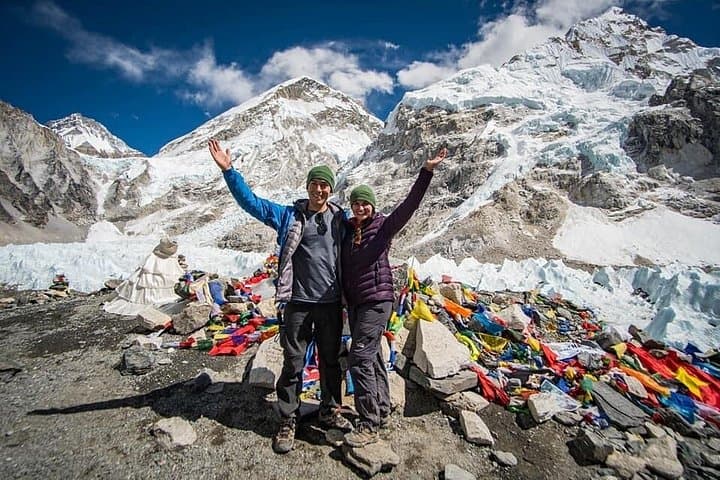
Expect daily hikes of 4–7 hours on rocky, sometimes icy trails, steep switchbacks and moraine fields near Gorak Shep. The real goal—the sledged granite of Everest Base Camp and the panoramic theatre seen from Kala Patthar—is earned through steady ascent and careful acclimatization days at Namche and Dingboche.
Practical guidance: hydrate early and often, keep pace on ups and downs, and treat altitude with respect—symptoms can worsen quickly. Lightweight layers, a quality down jacket, and sturdy boots with ankle support are essential; crampons and poles serve on icy segments. Flights to and from Lukla are weather-dependent—allow flexibility in your schedule. With experienced guides, tea-house accommodations and porters to shoulder heavy loads, this private 14-day itinerary balances immersion with support for trekking one of the world’s most iconic high-altitude routes.
No—EBC is a trekking destination reached on non-technical trails; however, high-altitude experience and good fitness are essential.
There is significant AMS risk above 3,000 m; proper acclimatization days, gradual ascent, hydration and communication with guides mitigate risks—descent is the primary treatment for severe symptoms.
Tea-house lodges provide basic private rooms or dorms and hot meals (dal bhat, soups, noodles); comfort diminishes with altitude but crews often arrange warm meals and hot water.
No—flights are weather-dependent and commonly delayed or rescheduled; operators usually build buffer days into itineraries for this reason.
Glorious Eco Trek Nepal operates guided outdoor trips and adventures with an emphasis on safety, stewardship, and memorable experiences.
The trail opens under a washed-sky at Tribhuvan International Airport and you feel Kathmandu shrink beneath the prop wash of a Lukla flight—an airborne preface to a two-week climb into rock, ice and Sherpa culture.
The trail opens under a washed-sky at Tribhuvan International Airport and you feel Kathmandu shrink beneath the prop wash of a Lukla flight—an airborne preface to a two-week climb into rock, ice and Sherpa culture.
From Lukla the path threads the Dudh Koshi river valley, crosses swinging suspension bridges and pushes through rhododendron forests before Namche Bazaar, the trading hub that has long served as the gateway to the high Himalaya. Geologically this landscape is recent: towering peaks of uplifted marine strata fractured by the collision of the Indian and Eurasian plates. Culturally, Sherpa villages, mani walls and monasteries mark routes older than most maps; Tengboche Monastery and its morning prayers give context to the human rhythms that sustain life at altitude.
Expect daily hikes of 4–7 hours on rocky, sometimes icy trails, steep switchbacks and moraine fields near Gorak Shep. The real goal—the sledged granite of Everest Base Camp and the panoramic theatre seen from Kala Patthar—is earned through steady ascent and careful acclimatization days at Namche and Dingboche.
Practical guidance: hydrate early and often, keep pace on ups and downs, and treat altitude with respect—symptoms can worsen quickly. Lightweight layers, a quality down jacket, and sturdy boots with ankle support are essential; crampons and poles serve on icy segments. Flights to and from Lukla are weather-dependent—allow flexibility in your schedule. With experienced guides, tea-house accommodations and porters to shoulder heavy loads, this private 14-day itinerary balances immersion with support for trekking one of the world’s most iconic high-altitude routes.
