THE ADVENTURE COLLECTIVE® · Independent discovery and booking for outdoor travel

Explore 14 days of Rajasthan’s best — from frescoed havelis and hilltop forts to Udaipur’s lakes and Ranthambore tiger safaris. This practical guide outlines what to expect on long drives, key timings, and how to prepare for cultural sites and wildlife viewing.
Explore 14 days of Rajasthan’s best — from frescoed havelis and hilltop forts to Udaipur’s lakes and Ranthambore tiger safaris. This practical guide outlines what to expect on long drives, key timings, and how to prepare for cultural sites and wildlife viewing.
You step off the car into a heat‑warmed courtyard and the air smells of incense and frying spices; a painted haveli watches from above, its frescoes cracked but defiantly bright.
Verified experiences and guided adventures in the surrounding area.
Operated by India TajMahal Tour operators · Jaipur, Rajasthan
You step off the car into a heat‑warmed courtyard and the air smells of incense and frying spices; a painted haveli watches from above, its frescoes cracked but defiantly bright.
This 14‑day circuit threads New Delhi, Shekhawati’s frescoed mansions, Bikaner’s Junagarh Fort, the blue walls of Jodhpur, the marble and lakes of Udaipur, and the tiger country of Ranthambore before finishing with the sunrise at the Taj Mahal. Rajasthan sits on the Deccan fringe and Thar Desert margins — low sandstone hills, scrubby plains and carefully engineered stepwells that reflect centuries of Rajput and Mughal rule. Palaces and forts here are practical statements of power: thick sandstone walls, carved jharokhas (overhanging balconies) and courtyard systems designed for climate control.
Culturally, expect living craft traditions — block printing, miniature painting, and the convivial chaos of local bazaars. At Ranthambore the landscape shifts to dry deciduous forest where tigers and langurs share ancient fort ruins.
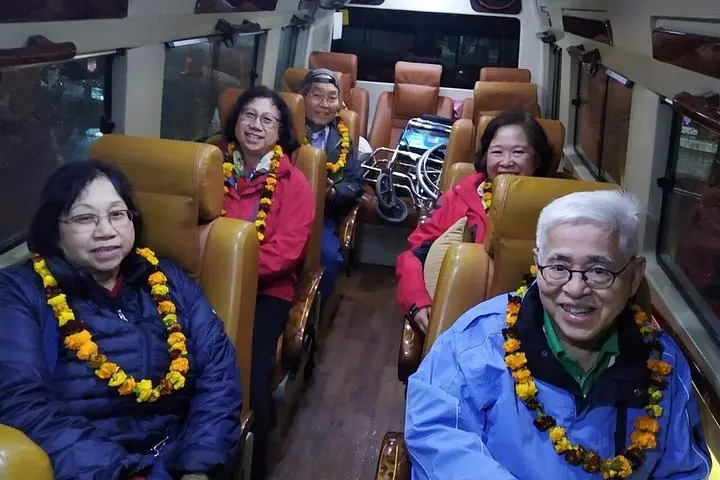
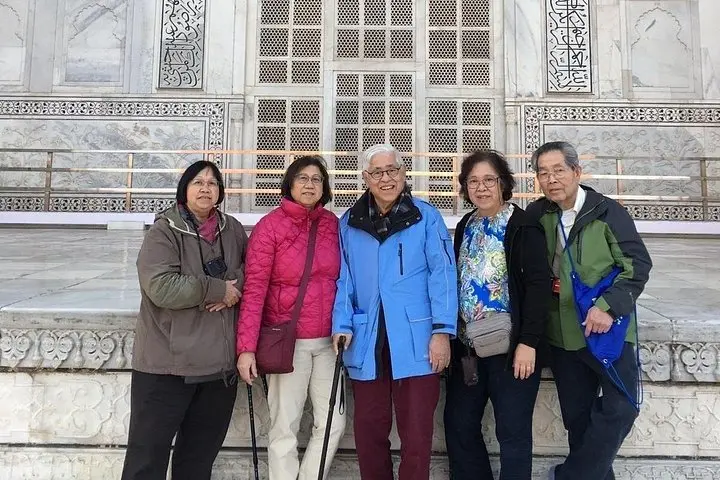
Practical guidance: the itinerary averages several long drives (Delhi–Mandawa ~7 hrs; Jodhpur–Udaipur via Ranakpur a full day). Bring layered, breathable clothing, sun protection, and a reliable daypack for temple walks and safaris. Timings matter — plan Taj Mahal at sunrise and safaris at first light or late afternoon for the best wildlife sightings. Hydrate aggressively in summer and prioritize Oct–Mar for cooler temperatures and clearer light. Mobility: many monuments have uneven stone steps and sandy tracks; request wheelchair‑accessible transport in advance if needed.
Private transportation, local guide, GST, hotel accommodation and site transfers are included; check your booking for meal details and any optional extras.
Yes — the listing notes wheelchair accessibility for transport; specify needs at booking so providers can accommodate.
Typical itinerary includes two 2‑hour jeep safaris (early morning and afternoon); timing depends on park permits and your booking confirmation.
No high altitude; walking involves steps, courtyards and uneven surfaces at forts and temples — moderate mobility is recommended.
India TajMahal Tour operators operates guided outdoor trips and adventures with an emphasis on safety, stewardship, and memorable experiences.
You step off the car into a heat‑warmed courtyard and the air smells of incense and frying spices; a painted haveli watches from above, its frescoes cracked but defiantly bright.
You step off the car into a heat‑warmed courtyard and the air smells of incense and frying spices; a painted haveli watches from above, its frescoes cracked but defiantly bright.
This 14‑day circuit threads New Delhi, Shekhawati’s frescoed mansions, Bikaner’s Junagarh Fort, the blue walls of Jodhpur, the marble and lakes of Udaipur, and the tiger country of Ranthambore before finishing with the sunrise at the Taj Mahal. Rajasthan sits on the Deccan fringe and Thar Desert margins — low sandstone hills, scrubby plains and carefully engineered stepwells that reflect centuries of Rajput and Mughal rule. Palaces and forts here are practical statements of power: thick sandstone walls, carved jharokhas (overhanging balconies) and courtyard systems designed for climate control.
Culturally, expect living craft traditions — block printing, miniature painting, and the convivial chaos of local bazaars. At Ranthambore the landscape shifts to dry deciduous forest where tigers and langurs share ancient fort ruins.
Practical guidance: the itinerary averages several long drives (Delhi–Mandawa ~7 hrs; Jodhpur–Udaipur via Ranakpur a full day). Bring layered, breathable clothing, sun protection, and a reliable daypack for temple walks and safaris. Timings matter — plan Taj Mahal at sunrise and safaris at first light or late afternoon for the best wildlife sightings. Hydrate aggressively in summer and prioritize Oct–Mar for cooler temperatures and clearer light. Mobility: many monuments have uneven stone steps and sandy tracks; request wheelchair‑accessible transport in advance if needed.