THE ADVENTURE COLLECTIVE® · Independent discovery and booking for outdoor travel

A two‑week loop through Rajasthan’s forts, lakes and desert towns that ends at the Taj Mahal. Expect long drives, low‑elevation terrain, and rich cultural stops that reward early starts and mindful pacing.
A two‑week loop through Rajasthan’s forts, lakes and desert towns that ends at the Taj Mahal. Expect long drives, low‑elevation terrain, and rich cultural stops that reward early starts and mindful pacing.
You arrive in the heat-hung air of New Delhi and the engine hum of the van becomes the first rhythm of two weeks across Rajasthan. The road unfurls — low scrub, sudden ochre forts, the Aravalli ridgelines folding into the distance — and each town delivers a different chapter: pink sandstone facades in Jaipur, blue-washed alleys in Jodhpur, quiet lakeside verandas in Udaipur and the white marble finale at Agra’s Taj Mahal.
Verified experiences and guided adventures in the surrounding area.
Operated by United Tours India · Jaipur, Rajasthan
You arrive in the heat-hung air of New Delhi and the engine hum of the van becomes the first rhythm of two weeks across Rajasthan. The road unfurls — low scrub, sudden ochre forts, the Aravalli ridgelines folding into the distance — and each town delivers a different chapter: pink sandstone facades in Jaipur, blue-washed alleys in Jodhpur, quiet lakeside verandas in Udaipur and the white marble finale at Agra’s Taj Mahal.
Rajasthan sits on the Deccan fringe and the Aravalli range; its history is Rajput valor, Mughal artistry and trading caravan routes that shaped palace architecture and fortified hill towns. Geology is honest and simple here: low ridges, scrub steppe and pockets of sandy plain that the Thar edges with stubborn dunes. Culturally you’ll notice layered hospitality — ceremonial sarees, brasswork, lacquered carts and markets whose spices and textiles keep the pace lively.
Practically, expect long driving days (often 3–6 hours between towns), mostly paved roads and light urban walking with intermittent uneven stone steps at forts and palaces. Elevation stays low (under 600 m); elevation gain is negligible but stair climbs at monuments can be steep. Plan early starts to avoid midday heat, carry 2–3 liters of water per day, sun protection and modest clothing for temple and palace visits. Photography lines at the Taj and other major sites reward patient timing; pre-booked entry and private guides save hours. This itinerary is accessible for most fitness levels, but it asks for travel stamina: embrace slow mornings, scout a rooftop at dusk and let the region’s human stories be your roadside companion.
Yes — most international visitors require an Indian visa or e‑visa obtained before travel; check your country’s entry requirements well in advance.
Expect several multi‑hour transfers; typical stretches between major cities are 3–6 hours, so plan for road time on several days.
Yes — the tour highlights a guided visit to the Taj Mahal; confirm whether entry fees and sunrise slots are included in your booking.
No specialized fitness is required, but you should be comfortable walking on uneven surfaces and climbing stairs at forts and monuments.
United Tours India operates guided outdoor trips and adventures with an emphasis on safety, stewardship, and memorable experiences.
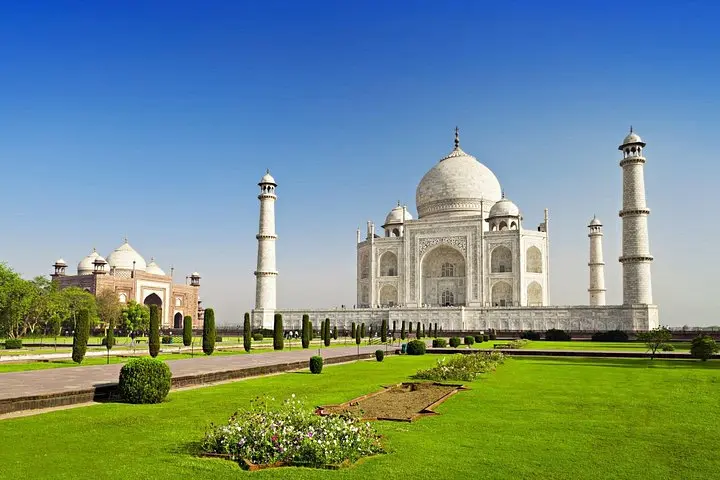
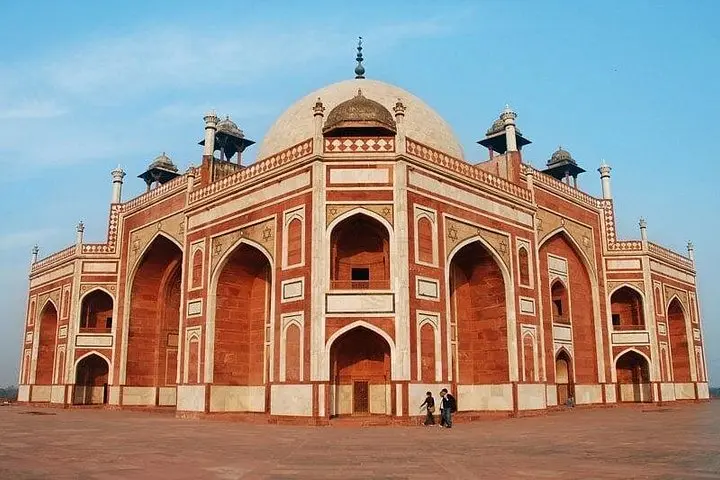
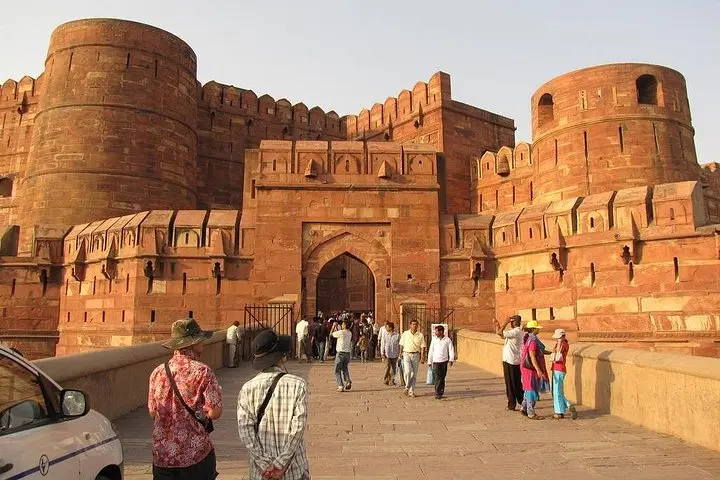
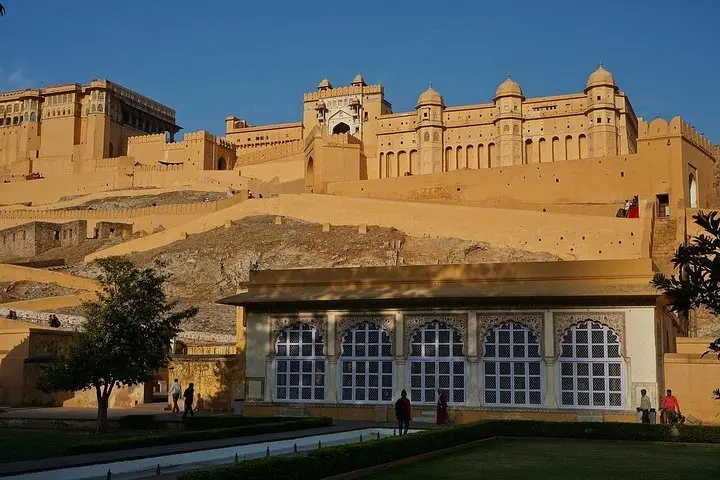
You arrive in the heat-hung air of New Delhi and the engine hum of the van becomes the first rhythm of two weeks across Rajasthan. The road unfurls — low scrub, sudden ochre forts, the Aravalli ridgelines folding into the distance — and each town delivers a different chapter: pink sandstone facades in Jaipur, blue-washed alleys in Jodhpur, quiet lakeside verandas in Udaipur and the white marble finale at Agra’s Taj Mahal.
You arrive in the heat-hung air of New Delhi and the engine hum of the van becomes the first rhythm of two weeks across Rajasthan. The road unfurls — low scrub, sudden ochre forts, the Aravalli ridgelines folding into the distance — and each town delivers a different chapter: pink sandstone facades in Jaipur, blue-washed alleys in Jodhpur, quiet lakeside verandas in Udaipur and the white marble finale at Agra’s Taj Mahal.
Rajasthan sits on the Deccan fringe and the Aravalli range; its history is Rajput valor, Mughal artistry and trading caravan routes that shaped palace architecture and fortified hill towns. Geology is honest and simple here: low ridges, scrub steppe and pockets of sandy plain that the Thar edges with stubborn dunes. Culturally you’ll notice layered hospitality — ceremonial sarees, brasswork, lacquered carts and markets whose spices and textiles keep the pace lively.
Practically, expect long driving days (often 3–6 hours between towns), mostly paved roads and light urban walking with intermittent uneven stone steps at forts and palaces. Elevation stays low (under 600 m); elevation gain is negligible but stair climbs at monuments can be steep. Plan early starts to avoid midday heat, carry 2–3 liters of water per day, sun protection and modest clothing for temple and palace visits. Photography lines at the Taj and other major sites reward patient timing; pre-booked entry and private guides save hours. This itinerary is accessible for most fitness levels, but it asks for travel stamina: embrace slow mornings, scout a rooftop at dusk and let the region’s human stories be your roadside companion.