THE ADVENTURE COLLECTIVE® · Independent discovery and booking for outdoor travel

Two weeks across Senegal moves from Dakar’s waterfront markets to desert dunes, sacred cities and the savannahs of Niokolo-Koba. Expect game drives, river boat hippo sightings, cultural sites like Gorée Island and a mix of lodge and hotel stays.
Two weeks across Senegal moves from Dakar’s waterfront markets to desert dunes, sacred cities and the savannahs of Niokolo-Koba. Expect game drives, river boat hippo sightings, cultural sites like Gorée Island and a mix of lodge and hotel stays.
You step off the bus into Dakar’s humid morning and the city’s pulse — markets calling, fishermen hauling in early catches — becomes the start line for two weeks of shifting landscapes.
Verified experiences and guided adventures in the surrounding area.
Operated by Across Africa Tours LLC · Dakar, Dakar Region
You step off the bus into Dakar’s humid morning and the city’s pulse — markets calling, fishermen hauling in early catches — becomes the start line for two weeks of shifting landscapes.
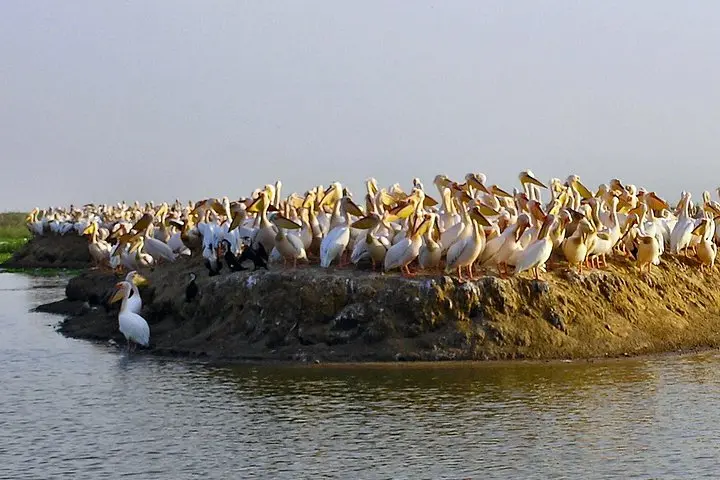
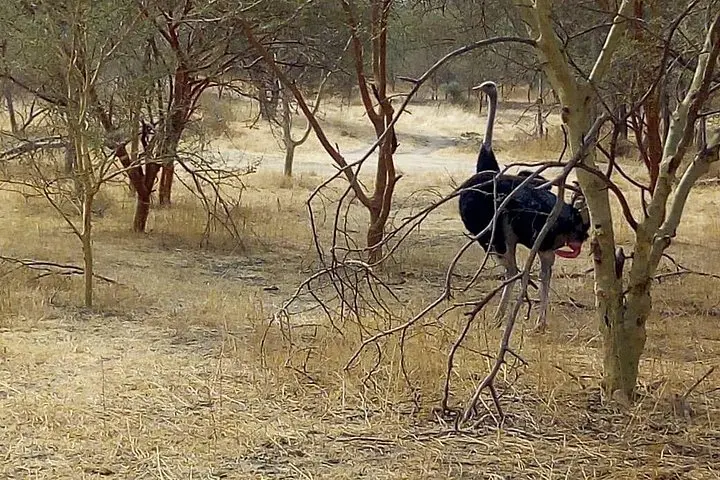
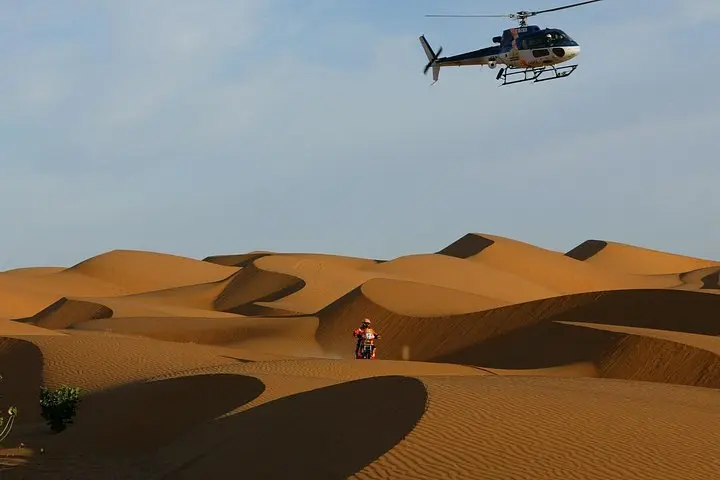
From colonial streets on Gorée Island to the rose-hued flats of Lac Retba, the itinerary threads coastal culture with remote bush. Coastal drives give way to wind-swept dunes at Lompoul and then to the tall grasses and riverine corridors of Niokolo-Koba. In Fathala and Bandia, habituated giraffes and antelopes graze under broad trees while river boats hunt for hippo glints at dusk.
History arrives in layers: Goree’s Door of No Return speaks to Senegal’s role in Atlantic history; Saint-Louis echoes French colonial architecture; Touba is a spiritual center shaped by Mourid Sufism. Geologically, the terrain shifts from coastal sand and salt pans to lateritic plateaus and the savannah basin feeding the Gambia River — a corridor of life during the dry months.
Practical guide: expect long coach transfers balanced by short guided walks and game drives; accommodations are a mix of mid-range hotels and lodges. Bring a telephoto lens for wildlife, closed-toe shoes for sandstone trails and the waterfall approach at Dindefelo, and layered clothing for cooler nights after sunset. Hydrate on travel days and keep copies of passports and vaccination records handy. Best wildlife viewing coincides with the dry season (November–March) when animals concentrate around water. Respect reserve rules, keep distance on foot, and let local rangers lead any close encounters.
Yellow fever vaccination is strongly recommended and often required; check CDC guidance and consult your healthcare provider for malaria prophylaxis and routine immunizations.
The tour is mainly vehicle-based with short guided walks, a waterfall trek in Kedougou and optional camel rides or nature walks — generally suitable for most fitness levels.
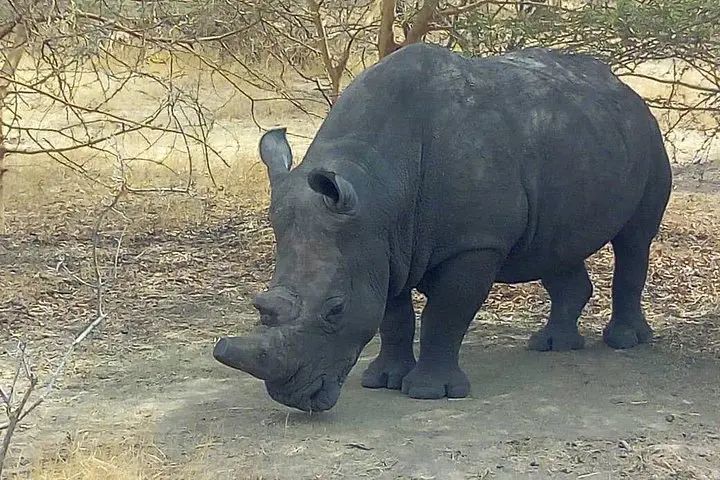
Hippos are often seen on river boat trips in Niokolo-Koba and Wassadou; lions and panthers are possible but less frequently seen — sightings depend on season and park conditions.
The CFA franc is used; carry small notes for local vendors and guides. Tipping is discretionary but appreciated for guides, drivers, and lodge staff — small daily amounts are common.
Across Africa Tours LLC operates guided outdoor trips and adventures with an emphasis on safety, stewardship, and memorable experiences.
You step off the bus into Dakar’s humid morning and the city’s pulse — markets calling, fishermen hauling in early catches — becomes the start line for two weeks of shifting landscapes.
You step off the bus into Dakar’s humid morning and the city’s pulse — markets calling, fishermen hauling in early catches — becomes the start line for two weeks of shifting landscapes.
From colonial streets on Gorée Island to the rose-hued flats of Lac Retba, the itinerary threads coastal culture with remote bush. Coastal drives give way to wind-swept dunes at Lompoul and then to the tall grasses and riverine corridors of Niokolo-Koba. In Fathala and Bandia, habituated giraffes and antelopes graze under broad trees while river boats hunt for hippo glints at dusk.
History arrives in layers: Goree’s Door of No Return speaks to Senegal’s role in Atlantic history; Saint-Louis echoes French colonial architecture; Touba is a spiritual center shaped by Mourid Sufism. Geologically, the terrain shifts from coastal sand and salt pans to lateritic plateaus and the savannah basin feeding the Gambia River — a corridor of life during the dry months.
Practical guide: expect long coach transfers balanced by short guided walks and game drives; accommodations are a mix of mid-range hotels and lodges. Bring a telephoto lens for wildlife, closed-toe shoes for sandstone trails and the waterfall approach at Dindefelo, and layered clothing for cooler nights after sunset. Hydrate on travel days and keep copies of passports and vaccination records handy. Best wildlife viewing coincides with the dry season (November–March) when animals concentrate around water. Respect reserve rules, keep distance on foot, and let local rangers lead any close encounters.