THE ADVENTURE COLLECTIVE® · Independent discovery and booking for outdoor travel

A 14‑day private tour that threads Sri Lanka’s coastlines, ancient capitals, tea highlands and national parks into one compact itinerary. Expect early mornings at World’s End, elephants at Minneriya and evenings on Unawatuna’s soft sand.
A 14‑day private tour that threads Sri Lanka’s coastlines, ancient capitals, tea highlands and national parks into one compact itinerary. Expect early mornings at World’s End, elephants at Minneriya and evenings on Unawatuna’s soft sand.
You step out of Bandaranaike International Airport and the air is warm with salt and spice; palm fronds clap above a line of waiting tuk‑tuks as a private driver ushers you toward the west coast. For the next fourteen days Sri Lanka will alternate between extremes: the slow rhythm of fishing villages and the quick, bright pace of ruined capitals; cloud‑topped plateaus that dare you to look over the edge and sunlit beaches that pull you toward the sea.
Verified experiences and guided adventures in the surrounding area.
Operated by Lakpura LLC · Negombo, Western Province
You step out of Bandaranaike International Airport and the air is warm with salt and spice; palm fronds clap above a line of waiting tuk‑tuks as a private driver ushers you toward the west coast. For the next fourteen days Sri Lanka will alternate between extremes: the slow rhythm of fishing villages and the quick, bright pace of ruined capitals; cloud‑topped plateaus that dare you to look over the edge and sunlit beaches that pull you toward the sea.
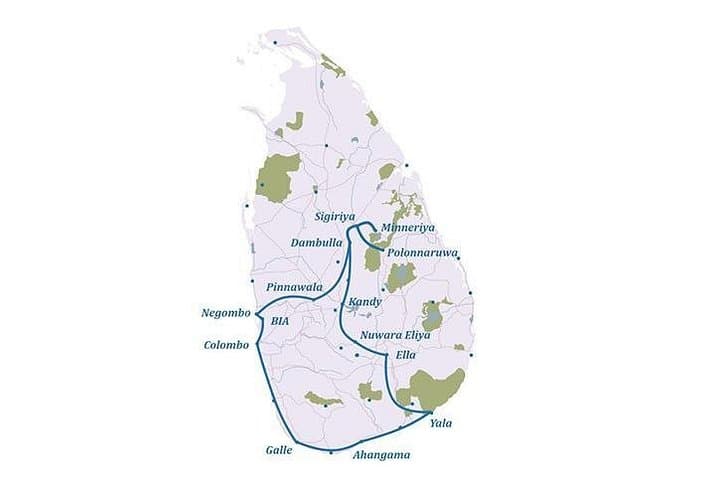
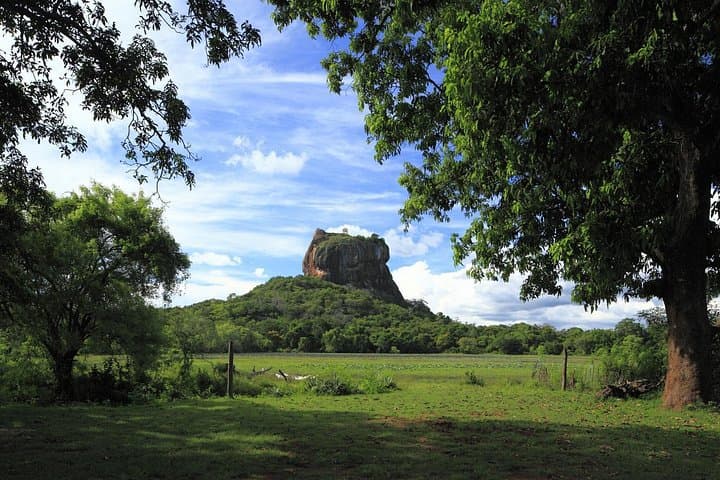
The route reads like a condensed history of the island. In Negombo, centuries‑old fishery methods still mark the shoreline; inland, Sigiriya’s 5th‑century rock fortress rises from jungle like an ancient machine of defense and horticulture—an engineered plateau with terraced gardens, cisterns and frescoed rock walls. Polonnaruwa and Dambulla peel back further layers: medieval capitals of sculpted stone and cave shrines where Buddhist imagery shapes daily life. The central highlands—Nuwara Eliya and Horton Plains—are a different geology altogether: wind‑scoured plateaus, tea terraces on steep slopes, and a coolness that reminds you altitude matters.
Culture moves through the trip in rituals and flavors: a Kandyan dance that drives the drumbeat through your chest, a home kitchen where wood‑fire technique and coconut milk redefine a simple lunch, and spice gardens that explain why Sri Lankan dishes taste the way they do. Wildlife is never far off—Minneriya’s dry‑season plains concentrate hundreds of elephants in an elemental congress, and Yala offers a chance, if luck is with you, to see the famously elusive Sri Lankan leopard.
Practical rhythm: the tour runs in a private vehicle with an English‑speaking chauffeur‑guide, so distances are manageable though some days involve long drives across diverse roads and climates. Expect early starts for World’s End and afternoon safaris for animal sightings. Entrance fees and some activities are not included, and local weather can turn from bright to monsoon in hours—pack layers and a reliable rain shell.
Footwear should handle uneven stone steps and dusty trails; sunscreen and reef‑safe sun protection are non‑negotiable on the coast. Hydration is constant—buy filtered water where you can—and carry cash in small denominations for remote markets and tuk‑tuk rides. Respect temple protocols: modest clothing, removed shoes and quiet photography. Finally, time your trip if you want the Great Elephant Gathering (roughly May–October) or the drier west/south coast surf months (December–March).
This tour isn’t an endurance test so much as a study in contrasts: Buddhist sanctuaries that ask for silence, colonial forts that invite wandering, and landscapes that tug you toward both summit and shore. Move deliberately—there’s history underfoot and a coastline waiting to cool you off afterward.
No—entrance fees for sites like Sigiriya, Dambulla and national parks are not included and are paid locally.
Yes; the itinerary is marked physically easy and the private vehicle makes it family‑friendly, though some long drives may be tiring for very young children.
The Great Elephant Gathering in Minneriya typically occurs in the dry season, roughly May through October, when elephants concentrate around water.
Routine vaccinations are recommended; consult a travel clinic for current advice on hepatitis A, typhoid and mosquito‑borne illnesses.
Sri Lankan Rupees (LKR) are used widely; bring a mix of cash and cards—ATMs are common in towns but sparse in remote areas.
Tipping is customary for guides, drivers and service staff—small sums per day or per service are appreciated.
Lakpura LLC operates guided outdoor trips and adventures with an emphasis on safety, stewardship, and memorable experiences.

You step out of Bandaranaike International Airport and the air is warm with salt and spice; palm fronds clap above a line of waiting tuk‑tuks as a private driver ushers you toward the west coast. For the next fourteen days Sri Lanka will alternate between extremes: the slow rhythm of fishing villages and the quick, bright pace of ruined capitals; cloud‑topped plateaus that dare you to look over the edge and sunlit beaches that pull you toward the sea.
You step out of Bandaranaike International Airport and the air is warm with salt and spice; palm fronds clap above a line of waiting tuk‑tuks as a private driver ushers you toward the west coast. For the next fourteen days Sri Lanka will alternate between extremes: the slow rhythm of fishing villages and the quick, bright pace of ruined capitals; cloud‑topped plateaus that dare you to look over the edge and sunlit beaches that pull you toward the sea.
The route reads like a condensed history of the island. In Negombo, centuries‑old fishery methods still mark the shoreline; inland, Sigiriya’s 5th‑century rock fortress rises from jungle like an ancient machine of defense and horticulture—an engineered plateau with terraced gardens, cisterns and frescoed rock walls. Polonnaruwa and Dambulla peel back further layers: medieval capitals of sculpted stone and cave shrines where Buddhist imagery shapes daily life. The central highlands—Nuwara Eliya and Horton Plains—are a different geology altogether: wind‑scoured plateaus, tea terraces on steep slopes, and a coolness that reminds you altitude matters.
Culture moves through the trip in rituals and flavors: a Kandyan dance that drives the drumbeat through your chest, a home kitchen where wood‑fire technique and coconut milk redefine a simple lunch, and spice gardens that explain why Sri Lankan dishes taste the way they do. Wildlife is never far off—Minneriya’s dry‑season plains concentrate hundreds of elephants in an elemental congress, and Yala offers a chance, if luck is with you, to see the famously elusive Sri Lankan leopard.
Practical rhythm: the tour runs in a private vehicle with an English‑speaking chauffeur‑guide, so distances are manageable though some days involve long drives across diverse roads and climates. Expect early starts for World’s End and afternoon safaris for animal sightings. Entrance fees and some activities are not included, and local weather can turn from bright to monsoon in hours—pack layers and a reliable rain shell.
Footwear should handle uneven stone steps and dusty trails; sunscreen and reef‑safe sun protection are non‑negotiable on the coast. Hydration is constant—buy filtered water where you can—and carry cash in small denominations for remote markets and tuk‑tuk rides. Respect temple protocols: modest clothing, removed shoes and quiet photography. Finally, time your trip if you want the Great Elephant Gathering (roughly May–October) or the drier west/south coast surf months (December–March).
This tour isn’t an endurance test so much as a study in contrasts: Buddhist sanctuaries that ask for silence, colonial forts that invite wandering, and landscapes that tug you toward both summit and shore. Move deliberately—there’s history underfoot and a coastline waiting to cool you off afterward.