
14-Day Sri Lanka Private Tour: Sigiriya, Hill Country & Southern Beaches
From the rock fortress of Sigiriya to tea-swept hills and whale-rich southern waters, this 14-day private tour threads Sri Lanka’s most compelling landscapes with private transport and hotel stays. Expect cultural sites, wildlife safaris, and scenic train rides with logistical ease.
An Adventure In Colombo.
From the rock fortress of Sigiriya to tea-swept hills and whale-rich southern waters, this 14-day private tour threads Sri Lanka’s most compelling landscapes with private transport and hotel stays. Expect cultural sites, wildlife safaris, and scenic train rides with logistical ease.
Read the full experience
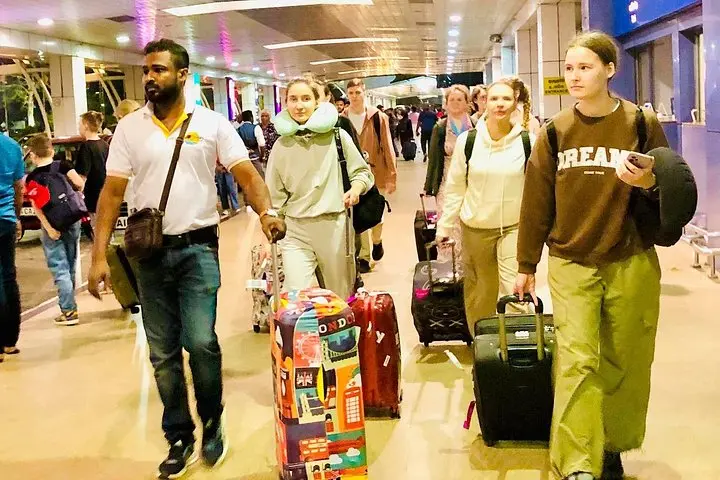
You step off the plane at Bandaranaike and a driver is already waiting with a name board—an efficient first hello to a country that does contrasts well: dense jungle giving way to tea-clad ridgelines, then sudden blue of the Indian Ocean.
You step off the plane at Bandaranaike and a driver is already waiting with a name board—an efficient first hello to a country that does contrasts well: dense jungle giving way to tea-clad ridgelines, then sudden blue of the Indian Ocean.
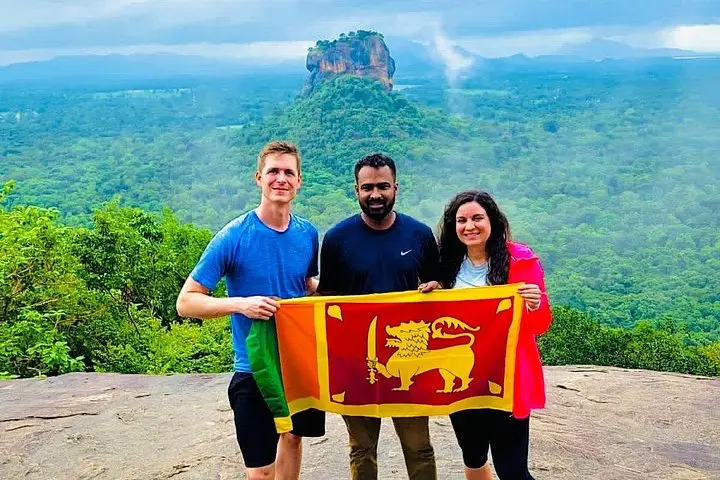
The route laid out over 14 days reads like a highlight reel of Sri Lanka’s central spine and southern coast. You climb Sigiriya’s ancient rock fortress—a stair-stepped corridor of stone and frescoes—then trade the heat for the damp cool of Nuwara Eliya, where the air smells of crushed tea leaves and the colonial bungalows wear their age with ease. Train windows blur terraces of tea bushes into layers of green as the carriage winds toward Ella and the Nine Arches Bridge, a living piece of British-era engineering suspended above fern-carpeted valleys.
History sits close to the surface here. Sigiriya was a 5th-century royal citadel, its rock painted with frescoes and guarded by giant stone paws; Kandy preserves the Temple of the Tooth, a palace-complex central to Sinhalese Buddhist identity. Geology argues in basalt and laterite: the central highlands were pushed up by tectonic forces, forming steep escarpments that feed the many waterfalls you’ll pass—Ramboda and Ravana among them.
Culture arrives in markets and spice gardens, where clove, cinnamon, and cardamom steam off your palms during a Matale tour. Wildlife appears in larger gestures: the Minneriya elephants gathering in the dry-season grass, and Yala’s famously secretive leopards slipping between rock outcrops.
Practical edge: the itinerary averages 2–4 hours of active sightseeing daily but includes full-day transfers and early-morning safaris. Elevation climbs are modest but constant—Sigiriya’s ascent is short and stair-heavy (~200m of vertical), while Nuwara Eliya sits around 1,868m, bringing cool nights and possible light rain. Pack layered rain gear and sturdy walking shoes; expect dusty paths at archaeological sites and slick stone near waterfalls.
Timing matters. For whale watching in Mirissa aim for November–April; for elephant gatherings in Minneriya target the dry months when animals concentrate around shrinking water sources. Roads are generally good but can be slow through towns—private transport and a local driver-guide are practical time-savers.
On the logistics side: the tour includes private air-conditioned transport, breakfasts, Wi-Fi onboard, and hotel nights. Bring photocopies of your passport and allow time to handle the Sri Lanka ETA before arrival. Respect wildlife distances, support turtle hatcheries responsibly, and carry cash for remote markets—the islands are modernizing fast, but small vendors still prefer rupees.
By day fourteen you loop back to Colombo with a map full of varied textures: cliff-top ruins, tea-swept hills, and the long soft strip of southern coastline. It’s a route that shows why Sri Lanka can feel like a compact world—intense, immediate, and surprisingly easy to navigate when you have the right guide.
Frequently asked questions
Most travelers must obtain an Electronic Travel Authorization (ETA) before arrival—check Sri Lanka’s immigration site for current rules and processing times.
Expect several multi-hour transfers between regions; private, air-conditioned transport minimizes stops and makes long days manageable.
Whale watching runs best from November to April when sperm whales and blue whales are most commonly sighted.
The tour includes breakfast on most days; other meals are typically self-arranged so you can sample local restaurants and street food.
Yes—infant seats are available and many stops are family-friendly, but check specific accommodations and note the operator’s guidance on pregnant travelers or those with heart conditions.
Safaris range from accessible jeep rides to more remote tracks; sightings aren’t guaranteed, but guides know seasonal hotspots that increase your chances of seeing elephants and leopards.
About This Experience
Kevon Tours & Travels Sri Lanka operates guided outdoor trips and adventures with an emphasis on safety, stewardship, and memorable experiences.
Adventure tips
Recommended gear
- Light waterproof jacket: Protects against sudden mountain showers and evening chill in the highlands.
- Sturdy walking shoes: Needed for uneven stone steps at Sigiriya and slippery trails near waterfalls.
- Daypack with hydration: Carry water, sunscreen, passport copies, and a light layer for daily excursions.
- Insect repellent with DEET: Useful for mangrove boat trips and evening beach walks to reduce mosquito bites.
Photos of the experience
Related adventures & guides
Read the full experience
You step off the plane at Bandaranaike and a driver is already waiting with a name board—an efficient first hello to a country that does contrasts well: dense jungle giving way to tea-clad ridgelines, then sudden blue of the Indian Ocean.
You step off the plane at Bandaranaike and a driver is already waiting with a name board—an efficient first hello to a country that does contrasts well: dense jungle giving way to tea-clad ridgelines, then sudden blue of the Indian Ocean.
The route laid out over 14 days reads like a highlight reel of Sri Lanka’s central spine and southern coast. You climb Sigiriya’s ancient rock fortress—a stair-stepped corridor of stone and frescoes—then trade the heat for the damp cool of Nuwara Eliya, where the air smells of crushed tea leaves and the colonial bungalows wear their age with ease. Train windows blur terraces of tea bushes into layers of green as the carriage winds toward Ella and the Nine Arches Bridge, a living piece of British-era engineering suspended above fern-carpeted valleys.
History sits close to the surface here. Sigiriya was a 5th-century royal citadel, its rock painted with frescoes and guarded by giant stone paws; Kandy preserves the Temple of the Tooth, a palace-complex central to Sinhalese Buddhist identity. Geology argues in basalt and laterite: the central highlands were pushed up by tectonic forces, forming steep escarpments that feed the many waterfalls you’ll pass—Ramboda and Ravana among them.
Culture arrives in markets and spice gardens, where clove, cinnamon, and cardamom steam off your palms during a Matale tour. Wildlife appears in larger gestures: the Minneriya elephants gathering in the dry-season grass, and Yala’s famously secretive leopards slipping between rock outcrops.
Practical edge: the itinerary averages 2–4 hours of active sightseeing daily but includes full-day transfers and early-morning safaris. Elevation climbs are modest but constant—Sigiriya’s ascent is short and stair-heavy (~200m of vertical), while Nuwara Eliya sits around 1,868m, bringing cool nights and possible light rain. Pack layered rain gear and sturdy walking shoes; expect dusty paths at archaeological sites and slick stone near waterfalls.
Timing matters. For whale watching in Mirissa aim for November–April; for elephant gatherings in Minneriya target the dry months when animals concentrate around shrinking water sources. Roads are generally good but can be slow through towns—private transport and a local driver-guide are practical time-savers.
On the logistics side: the tour includes private air-conditioned transport, breakfasts, Wi-Fi onboard, and hotel nights. Bring photocopies of your passport and allow time to handle the Sri Lanka ETA before arrival. Respect wildlife distances, support turtle hatcheries responsibly, and carry cash for remote markets—the islands are modernizing fast, but small vendors still prefer rupees.
By day fourteen you loop back to Colombo with a map full of varied textures: cliff-top ruins, tea-swept hills, and the long soft strip of southern coastline. It’s a route that shows why Sri Lanka can feel like a compact world—intense, immediate, and surprisingly easy to navigate when you have the right guide.
Make a day of it nearby.
Verified experiences and guided adventures in the surrounding area.