THE ADVENTURE COLLECTIVE® · Independent discovery and booking for outdoor travel

Traverse Sri Lanka from lowland lagoons to misty highlands on a 14‑day wildlife circuit that targets endemic birds, elephants and rainforest mammals. This practical guide explains what to expect—terrain, timing, and gear—to get the most from the trip.
Traverse Sri Lanka from lowland lagoons to misty highlands on a 14‑day wildlife circuit that targets endemic birds, elephants and rainforest mammals. This practical guide explains what to expect—terrain, timing, and gear—to get the most from the trip.
You step off the plane into warm, humid air and the rhythm of Sri Lanka: cicadas in the scrub, a chorus of distant crows and the occasional trumpet of an elephant far off. The itinerary threads from the lowland lagoons near Negombo into wet-zone rainforests at Kitulgala and Sinharaja, then swings south and east to Udawalawe and Yala’s open plains before climbing into the cool tea terraces of Nuwara Eliya and Horton Plains.
Verified experiences and guided adventures in the surrounding area.
Operated by Lakpura LLC · Colombo, Western Province
You step off the plane into warm, humid air and the rhythm of Sri Lanka: cicadas in the scrub, a chorus of distant crows and the occasional trumpet of an elephant far off. The itinerary threads from the lowland lagoons near Negombo into wet-zone rainforests at Kitulgala and Sinharaja, then swings south and east to Udawalawe and Yala’s open plains before climbing into the cool tea terraces of Nuwara Eliya and Horton Plains.
These landscapes reflect Sri Lanka’s geological story: ancient Precambrian rock uplifted into central highlands, weathered into valleys that hold pockets of rainforest and wetlands. Colonial history left its mark through tea estates and road networks that now serve birders and naturalists. Local culture—Sinhalese and Tamil villages, temple shrines, and tea-bowl towns—gives texture between safaris and dawn walks.
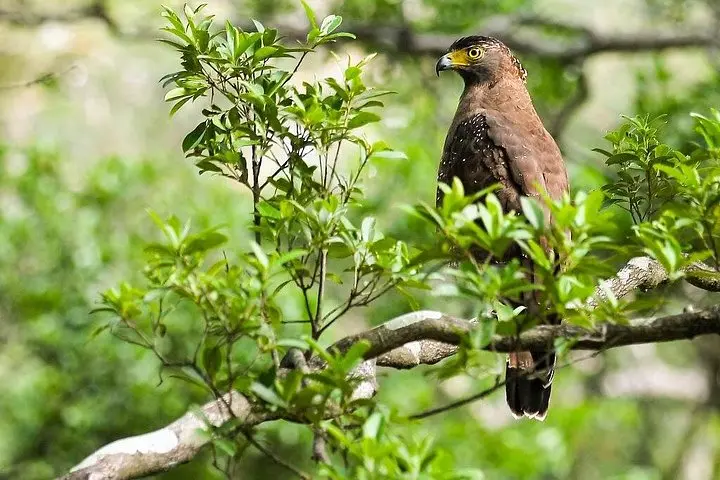
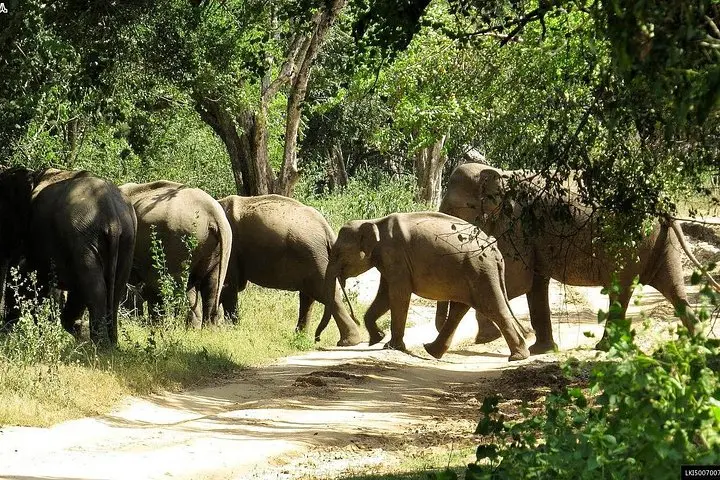
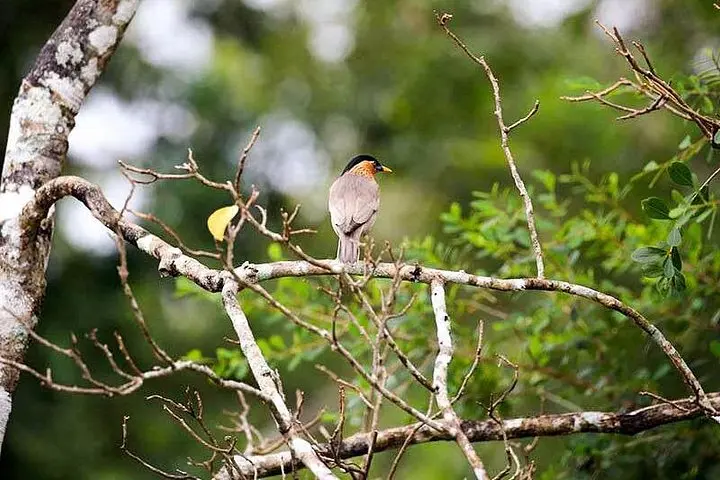
Expect early mornings with local guides, jeep safaris for elephants and buffalo, and forest walks for endemic birds like the Ceylon Blue Magpie and Yellow-eared Bulbul. Terrain varies from muddy rainforest trails and river canoe crossings in Kitulgala to dusty jeep tracks in Udawalawe and short, rocky hikes at Horton Plains.
Practical notes: carry a well-broken-in pair of walking shoes, high-quality binoculars, and rain protection; pack layered clothing for cool highland mornings. Hydrate in the field and use mosquito protection after dusk. Respect park rules, stay with your guide, and budget time for travel between parks—Sri Lanka’s roads are scenic but not fast. With patience and a reliable local guide, a two-week loop like this delivers close encounters with the island’s most sought-after birds and mammals.
December to March and September to November are generally best for a balance of dry weather and active wildlife across the wet and dry zones.
Standard travel vaccinations are recommended; check a travel clinic for up‑to‑date advice—malaria risk is low in many tourist areas but consult health authorities.
Most days involve short forest walks (1–4 hours) and several jeep safaris; you don’t need to be an athlete but should be comfortable on uneven ground.
This itinerary typically includes a chauffeur‑guide and transport; park entry fees and local jeep safari charges may be extra—confirm with the operator before booking.
Lakpura LLC operates guided outdoor trips and adventures with an emphasis on safety, stewardship, and memorable experiences.

You step off the plane into warm, humid air and the rhythm of Sri Lanka: cicadas in the scrub, a chorus of distant crows and the occasional trumpet of an elephant far off. The itinerary threads from the lowland lagoons near Negombo into wet-zone rainforests at Kitulgala and Sinharaja, then swings south and east to Udawalawe and Yala’s open plains before climbing into the cool tea terraces of Nuwara Eliya and Horton Plains.
You step off the plane into warm, humid air and the rhythm of Sri Lanka: cicadas in the scrub, a chorus of distant crows and the occasional trumpet of an elephant far off. The itinerary threads from the lowland lagoons near Negombo into wet-zone rainforests at Kitulgala and Sinharaja, then swings south and east to Udawalawe and Yala’s open plains before climbing into the cool tea terraces of Nuwara Eliya and Horton Plains.
These landscapes reflect Sri Lanka’s geological story: ancient Precambrian rock uplifted into central highlands, weathered into valleys that hold pockets of rainforest and wetlands. Colonial history left its mark through tea estates and road networks that now serve birders and naturalists. Local culture—Sinhalese and Tamil villages, temple shrines, and tea-bowl towns—gives texture between safaris and dawn walks.
Expect early mornings with local guides, jeep safaris for elephants and buffalo, and forest walks for endemic birds like the Ceylon Blue Magpie and Yellow-eared Bulbul. Terrain varies from muddy rainforest trails and river canoe crossings in Kitulgala to dusty jeep tracks in Udawalawe and short, rocky hikes at Horton Plains.
Practical notes: carry a well-broken-in pair of walking shoes, high-quality binoculars, and rain protection; pack layered clothing for cool highland mornings. Hydrate in the field and use mosquito protection after dusk. Respect park rules, stay with your guide, and budget time for travel between parks—Sri Lanka’s roads are scenic but not fast. With patience and a reliable local guide, a two-week loop like this delivers close encounters with the island’s most sought-after birds and mammals.