THE ADVENTURE COLLECTIVE® · Independent discovery and booking for outdoor travel

This 14-day circuit threads Tunisia’s major cultural sites and desert landscapes, from Carthage and El Jem to the salt pans of Chott El Jerid and the oases of Tozeur. It blends guided archaeology, coastal towns, and light desert excursions with hotel stays and included meals.
This 14-day circuit threads Tunisia’s major cultural sites and desert landscapes, from Carthage and El Jem to the salt pans of Chott El Jerid and the oases of Tozeur. It blends guided archaeology, coastal towns, and light desert excursions with hotel stays and included meals.
Arrive in Tunis and the Mediterranean light cuts across whitewashed alleys; the tour unfolds from coastal ports to salt flats and dune seas. Over 14 days travelers move from the stone columns of Carthage to the ochre cliffs of Mides, from the palm-lined streets of Tozeur to the wind-sculpted dunes around Douz.
Verified experiences and guided adventures in the surrounding area.
Operated by WORLD HANNOUN TRAVEL TOURS TUNISIA · Hammamet, Nabeul Governorate
Arrive in Tunis and the Mediterranean light cuts across whitewashed alleys; the tour unfolds from coastal ports to salt flats and dune seas. Over 14 days travelers move from the stone columns of Carthage to the ochre cliffs of Mides, from the palm-lined streets of Tozeur to the wind-sculpted dunes around Douz.
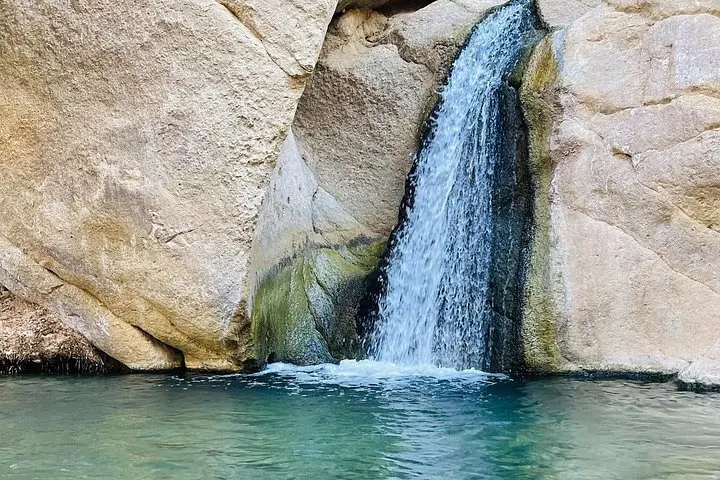
This route stitches together millennia: Phoenician Carthage, Roman theaters at El Jem and Thugga, early Islamic centers in Kairouan, and persistent Berber lifeways in Matmata and Toujene. Geologically the itinerary moves from coastal limestone and plains into the Chott El Jerid’s salt crust—an evaporite basin whose mirror-bright surface gives way to the sand seas of the Sahara. Mountain oases such as Chebika and Tamerza sit where springs breach folded rock, carving canyons and terraces.
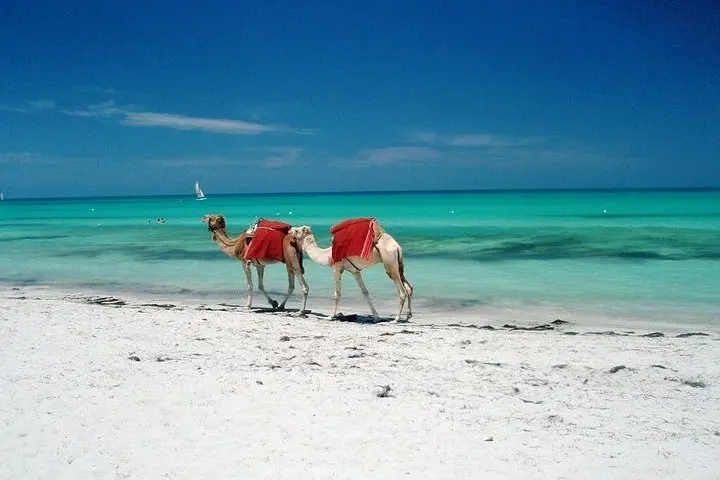
Culturally the trip balances museum and market, with medina souks, afternoon mint‑tea rituals, and local crafts. Guides typically include entrance fees for major sites and handle transfers in air‑conditioned vehicles; several nights are in midrange hotels on a half‑board basis. Expect mostly short walks at archaeological sites, occasional 4x4 excursions into rocky oases, and optional camel rides on flatter desert approaches.
Practical notes: carry sun protection and a refillable water bottle, pack comfortable walking shoes with some ankle support, and leave room for dusty conditions around Chott El Jerid and dune approaches. Pace activities across the two-week schedule—early starts and late afternoons are cooler and best for photography and walking.
Yes—it’s paced for general travelers, combining guided museum and site visits with relaxed transfers; a guide handles logistics and major entrance fees.
Most activity involves short, low‑difficulty walks and vehicle transfers; optional camel rides and 4x4 excursions add mild physical elements but are not technical.
The Tunisian dinar (TND) is used widely; bring small notes for markets and tips—guides and drivers are typically tipped in cash.
Yes—half‑board accommodations (breakfast and dinner) are included and most hotels are midrange with private bathrooms.
WORLD HANNOUN TRAVEL TOURS TUNISIA operates guided outdoor trips and adventures with an emphasis on safety, stewardship, and memorable experiences.
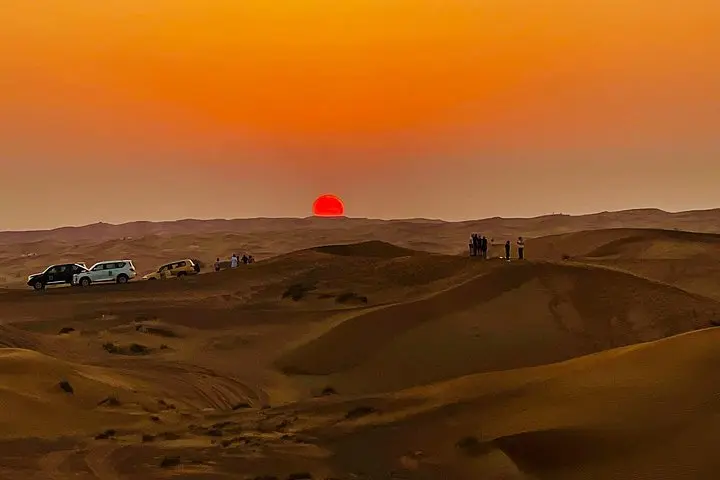
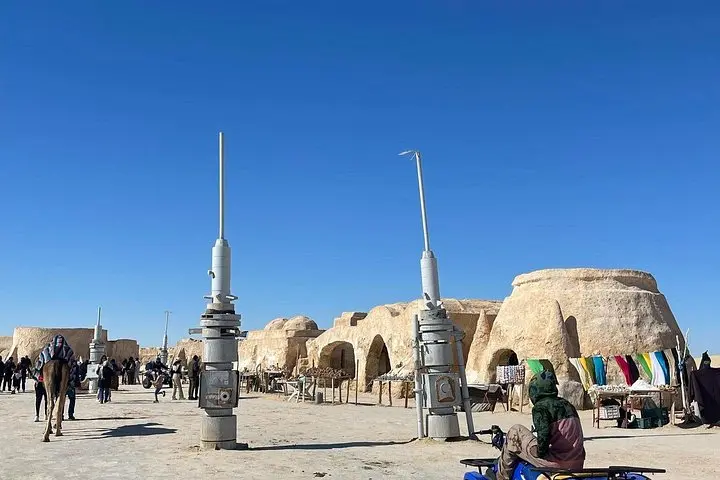
Arrive in Tunis and the Mediterranean light cuts across whitewashed alleys; the tour unfolds from coastal ports to salt flats and dune seas. Over 14 days travelers move from the stone columns of Carthage to the ochre cliffs of Mides, from the palm-lined streets of Tozeur to the wind-sculpted dunes around Douz.
Arrive in Tunis and the Mediterranean light cuts across whitewashed alleys; the tour unfolds from coastal ports to salt flats and dune seas. Over 14 days travelers move from the stone columns of Carthage to the ochre cliffs of Mides, from the palm-lined streets of Tozeur to the wind-sculpted dunes around Douz.
This route stitches together millennia: Phoenician Carthage, Roman theaters at El Jem and Thugga, early Islamic centers in Kairouan, and persistent Berber lifeways in Matmata and Toujene. Geologically the itinerary moves from coastal limestone and plains into the Chott El Jerid’s salt crust—an evaporite basin whose mirror-bright surface gives way to the sand seas of the Sahara. Mountain oases such as Chebika and Tamerza sit where springs breach folded rock, carving canyons and terraces.
Culturally the trip balances museum and market, with medina souks, afternoon mint‑tea rituals, and local crafts. Guides typically include entrance fees for major sites and handle transfers in air‑conditioned vehicles; several nights are in midrange hotels on a half‑board basis. Expect mostly short walks at archaeological sites, occasional 4x4 excursions into rocky oases, and optional camel rides on flatter desert approaches.
Practical notes: carry sun protection and a refillable water bottle, pack comfortable walking shoes with some ankle support, and leave room for dusty conditions around Chott El Jerid and dune approaches. Pace activities across the two-week schedule—early starts and late afternoons are cooler and best for photography and walking.