THE ADVENTURE COLLECTIVE® · Independent discovery and booking for outdoor travel

Island-hopping from Palawan to Boracay, this 15-day adventure stitches dramatic limestone cliffs, hidden lagoons, whale-shark encounters and colonial history into one immersive Philippines itinerary. Read on for what to expect, when to go, and how to pack.
Island-hopping from Palawan to Boracay, this 15-day adventure stitches dramatic limestone cliffs, hidden lagoons, whale-shark encounters and colonial history into one immersive Philippines itinerary. Read on for what to expect, when to go, and how to pack.
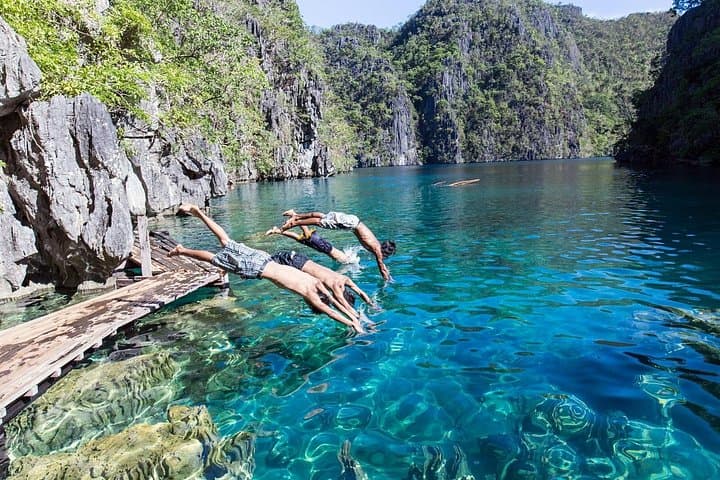
The first salt air hits before you even see the water — a hot, mineral tang that promises something beyond the city. On day two the plane drops you low over Palawan and the islands spread below like spare coins: limestone teeth, ribbon beaches, lagoons the color of broken glass. You step from boat to sand to shallow reef in a single, easy-motion day; the ocean pulls at your ankles as if daring you to stay.
Verified experiences and guided adventures in the surrounding area.
Operated by Guide to the Philippines · Manila, Metro Manila
The first salt air hits before you even see the water — a hot, mineral tang that promises something beyond the city. On day two the plane drops you low over Palawan and the islands spread below like spare coins: limestone teeth, ribbon beaches, lagoons the color of broken glass. You step from boat to sand to shallow reef in a single, easy-motion day; the ocean pulls at your ankles as if daring you to stay.
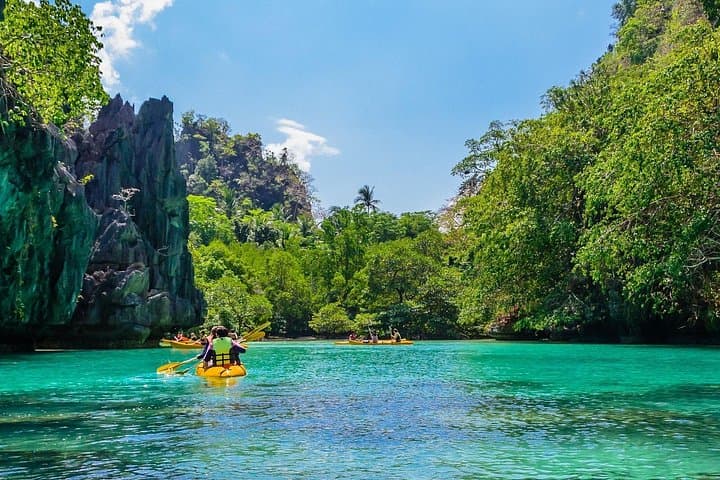
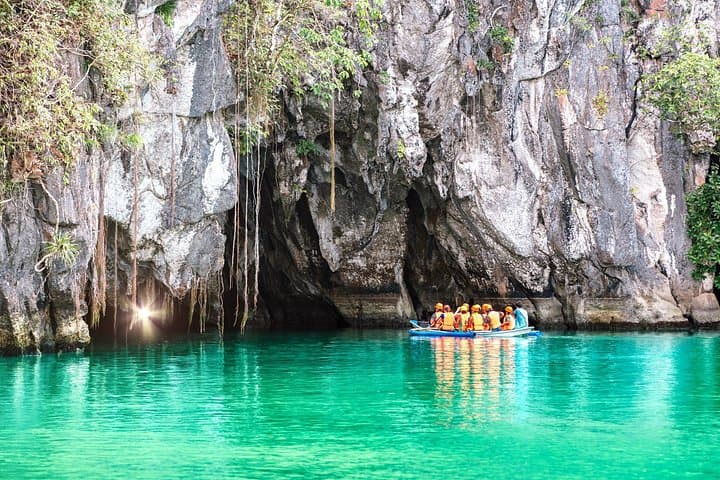
This 15-day loop stitches together the Philippines’ most famous chapters: Coron’s dramatic limestone calderas and WWII shipwrecks, El Nido’s Big and Secret Lagoons, the subterranean drama of Puerto Princesa’s Underground River, Cebu and Oslob’s whale-shark encounters, Bohol’s Chocolate Hills and tarsiers, and Boracay’s famously fine white sand. Geologically the archipelago is young and violent — uplifted coral and karst limestone sculpted by sea and monsoon — which is why the islands feel so immediate: cliffs that were once reef now stand sheer above a mirror sea.
Culturally the route threads Spanish colonial relics with contemporary island life. In Manila, centuries-old Intramuros contrasts with bustling food alleys. In the Visayas and Palawan, small coastal barangays—fishing communities where bancas (outrigger boats) are daily transport—set the rhythm: morning markets, afternoon boat repairs, evenings of grilled fish and halo-halo. You’ll see conservation and tourism intersect: tarsier sanctuaries on Bohol and regulated entry times at Puerto Princesa are attempts to balance visitor curiosity with fragile ecosystems.
Practicalities are straightforward: the package includes domestic flights (20 kg baggage allowance), most transfers, accommodations, and guided island-hopping or boat tours that range from half-days (4–5 hours) to full-day outings (7–9 hours). Note the 14-day booking lead time and the operator’s all-sales-final cancellation policy; plan flights and insurance accordingly.
Physically the itinerary is accessible but active — expect boat transfers, short hikes, kayaking in lagoons, and snorkeling off reefs. Pack reef-safe sunscreen, a light rain layer, water shoes, and a small dry bag. Respect wildlife and local customs: don’t touch coral or marine animals, and follow guides’ instructions during whale-shark interactions.
Timing matters: the best weather window is generally November–April for calm seas and clear visibility; the southwest monsoon (June–October) brings heavier rain and rougher crossings. With a little planning this package delivers varied marine landscapes, cultural touchpoints, and a playlist of small-island moments — dawn paddles, limestone silhouettes at sunset, and afternoons spent letting the warm Pacific decide your pace.
Yes—domestic flights in the itinerary include a 20 kg checked baggage allowance; smaller regional or charter boats may limit what you can bring on board, so pack into soft-sided bags when possible.
Most snorkeling sites are shallow with calm water; basic swimming skills are recommended and guides provide life vests when needed.
Yes—whale-shark encounters in Oslob are included, but interactions are regulated: maintain distance, no touching, and follow the local guides’ safety briefing.
The operator notes they cannot accommodate special dietary requests; expect standard Filipino and buffet-style meals included for some days.
All sales are final with no refunds; purchase travel insurance that covers itinerary changes or unforeseen events.
The river tour involves getting into a small paddle/boat and is not recommended for travelers with significant mobility issues; timed permits and guided entry are part of the visit.
Guide to the Philippines operates guided outdoor trips and adventures with an emphasis on safety, stewardship, and memorable experiences.

The first salt air hits before you even see the water — a hot, mineral tang that promises something beyond the city. On day two the plane drops you low over Palawan and the islands spread below like spare coins: limestone teeth, ribbon beaches, lagoons the color of broken glass. You step from boat to sand to shallow reef in a single, easy-motion day; the ocean pulls at your ankles as if daring you to stay.
The first salt air hits before you even see the water — a hot, mineral tang that promises something beyond the city. On day two the plane drops you low over Palawan and the islands spread below like spare coins: limestone teeth, ribbon beaches, lagoons the color of broken glass. You step from boat to sand to shallow reef in a single, easy-motion day; the ocean pulls at your ankles as if daring you to stay.
This 15-day loop stitches together the Philippines’ most famous chapters: Coron’s dramatic limestone calderas and WWII shipwrecks, El Nido’s Big and Secret Lagoons, the subterranean drama of Puerto Princesa’s Underground River, Cebu and Oslob’s whale-shark encounters, Bohol’s Chocolate Hills and tarsiers, and Boracay’s famously fine white sand. Geologically the archipelago is young and violent — uplifted coral and karst limestone sculpted by sea and monsoon — which is why the islands feel so immediate: cliffs that were once reef now stand sheer above a mirror sea.
Culturally the route threads Spanish colonial relics with contemporary island life. In Manila, centuries-old Intramuros contrasts with bustling food alleys. In the Visayas and Palawan, small coastal barangays—fishing communities where bancas (outrigger boats) are daily transport—set the rhythm: morning markets, afternoon boat repairs, evenings of grilled fish and halo-halo. You’ll see conservation and tourism intersect: tarsier sanctuaries on Bohol and regulated entry times at Puerto Princesa are attempts to balance visitor curiosity with fragile ecosystems.
Practicalities are straightforward: the package includes domestic flights (20 kg baggage allowance), most transfers, accommodations, and guided island-hopping or boat tours that range from half-days (4–5 hours) to full-day outings (7–9 hours). Note the 14-day booking lead time and the operator’s all-sales-final cancellation policy; plan flights and insurance accordingly.
Physically the itinerary is accessible but active — expect boat transfers, short hikes, kayaking in lagoons, and snorkeling off reefs. Pack reef-safe sunscreen, a light rain layer, water shoes, and a small dry bag. Respect wildlife and local customs: don’t touch coral or marine animals, and follow guides’ instructions during whale-shark interactions.
Timing matters: the best weather window is generally November–April for calm seas and clear visibility; the southwest monsoon (June–October) brings heavier rain and rougher crossings. With a little planning this package delivers varied marine landscapes, cultural touchpoints, and a playlist of small-island moments — dawn paddles, limestone silhouettes at sunset, and afternoons spent letting the warm Pacific decide your pace.