THE ADVENTURE COLLECTIVE® · Independent discovery and booking for outdoor travel

Cover China’s headline sites in 15 days: from the Forbidden City and Mutianyu Great Wall to the Terracotta Warriors, Li River scenery and a multi-day Yangtze cruise. Expect busy travel days, rich regional cuisine and a deep dive into Chinese history and landscapes.
Cover China’s headline sites in 15 days: from the Forbidden City and Mutianyu Great Wall to the Terracotta Warriors, Li River scenery and a multi-day Yangtze cruise. Expect busy travel days, rich regional cuisine and a deep dive into Chinese history and landscapes.
Morning in Beijing begins with cool air pushing through Tiananmen Square as the Forbidden City opens its wooden gates; later the Great Wall at Mutianyu rises and falls like an ancient spine daring you to follow it. From imperial courtyards to the clay ranks of the Terracotta Army, this 15-day circuit links China’s signature landscapes and cities with a steady rhythm: museums, market alleys, high-speed rails and a multi-day Yangtze River passage.
Verified experiences and guided adventures in the surrounding area.
Operated by Travel China Guide · Beijing, Beijing
Morning in Beijing begins with cool air pushing through Tiananmen Square as the Forbidden City opens its wooden gates; later the Great Wall at Mutianyu rises and falls like an ancient spine daring you to follow it. From imperial courtyards to the clay ranks of the Terracotta Army, this 15-day circuit links China’s signature landscapes and cities with a steady rhythm: museums, market alleys, high-speed rails and a multi-day Yangtze River passage.
The trip threads through over 2,000 years of history — Ming and Qing palaces in Beijing, Tang-era relics in Xi’an, karst towers along the Li River near Guilin, and the industrial-turned-global skyline of Shanghai. Geologically, the Li River’s karst towers are limestone sculptures carved by soluble rock and river flow; the Yangtze bisects steep gorges cut during tectonic uplift and monsoon-fed erosion.
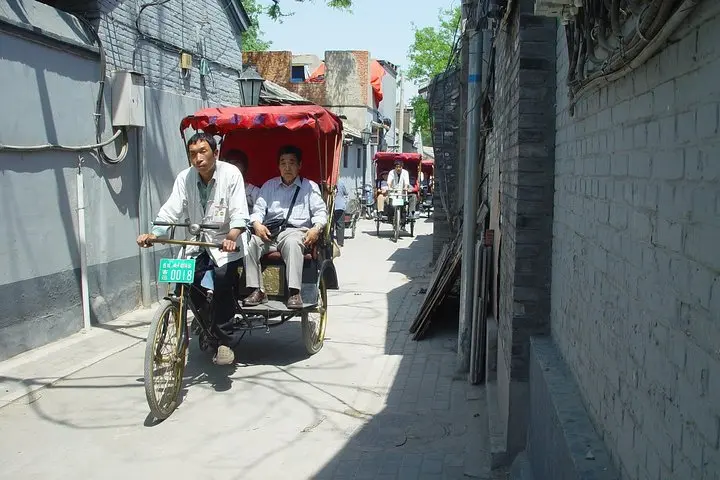
Culturally, expect regional contrasts: northern roast duck and hutong life, Xi’an’s Muslim Quarter snacks, Sichuan spice in Chengdu, and the Bund’s colonial-era promenade. Local guides translate, but bring curiosity and respect for temple etiquette and market bargaining.
Practically, this is a travel-intensive itinerary: frequent short flights and high-speed trains, multiple early starts, stairs at historic sites and hours on a cruise deck. Carry comfortable walking shoes, a daypack, travel documents, and a power bank. Note the Yangtze cruise service charge is normally paid onboard. Pace yourself on transit days, hydrate often, and schedule a free evening in larger cities to recover. This route rewards travelers who enjoy packed cultural days, varied scenery, and the steady forward push of well-planned logistics.
Most visitors to China require a valid visa obtained before arrival; check your nationality-specific requirements and carry the visa and passport during the trip.
The cruise is included but a standard onboard service charge (approximately CNY200 per person) is typically paid when boarding and may not be included in the quoted tour price.
The tour involves several full days of walking, stairs at monuments and multiple transport segments; moderate fitness and the ability to walk for several hours daily is recommended.
Most breakfasts and several lunches/dinners are included per the itinerary; single-room supplements are usually available for an extra fee—confirm at booking.
Travel China Guide operates guided outdoor trips and adventures with an emphasis on safety, stewardship, and memorable experiences.
Morning in Beijing begins with cool air pushing through Tiananmen Square as the Forbidden City opens its wooden gates; later the Great Wall at Mutianyu rises and falls like an ancient spine daring you to follow it. From imperial courtyards to the clay ranks of the Terracotta Army, this 15-day circuit links China’s signature landscapes and cities with a steady rhythm: museums, market alleys, high-speed rails and a multi-day Yangtze River passage.
Morning in Beijing begins with cool air pushing through Tiananmen Square as the Forbidden City opens its wooden gates; later the Great Wall at Mutianyu rises and falls like an ancient spine daring you to follow it. From imperial courtyards to the clay ranks of the Terracotta Army, this 15-day circuit links China’s signature landscapes and cities with a steady rhythm: museums, market alleys, high-speed rails and a multi-day Yangtze River passage.
The trip threads through over 2,000 years of history — Ming and Qing palaces in Beijing, Tang-era relics in Xi’an, karst towers along the Li River near Guilin, and the industrial-turned-global skyline of Shanghai. Geologically, the Li River’s karst towers are limestone sculptures carved by soluble rock and river flow; the Yangtze bisects steep gorges cut during tectonic uplift and monsoon-fed erosion.
Culturally, expect regional contrasts: northern roast duck and hutong life, Xi’an’s Muslim Quarter snacks, Sichuan spice in Chengdu, and the Bund’s colonial-era promenade. Local guides translate, but bring curiosity and respect for temple etiquette and market bargaining.
Practically, this is a travel-intensive itinerary: frequent short flights and high-speed trains, multiple early starts, stairs at historic sites and hours on a cruise deck. Carry comfortable walking shoes, a daypack, travel documents, and a power bank. Note the Yangtze cruise service charge is normally paid onboard. Pace yourself on transit days, hydrate often, and schedule a free evening in larger cities to recover. This route rewards travelers who enjoy packed cultural days, varied scenery, and the steady forward push of well-planned logistics.