THE ADVENTURE COLLECTIVE® · Independent discovery and booking for outdoor travel

A comprehensive 15-day circuit through southern Peru that links Lima’s colonial core with Paracas’ coastline, the Nazca Lines, Arequipa’s volcanic horizon, Colca Canyon, Lake Titicaca and Machu Picchu. Expect varied terrain, high passes and a mix of cultural encounters and wildlife viewing.
A comprehensive 15-day circuit through southern Peru that links Lima’s colonial core with Paracas’ coastline, the Nazca Lines, Arequipa’s volcanic horizon, Colca Canyon, Lake Titicaca and Machu Picchu. Expect varied terrain, high passes and a mix of cultural encounters and wildlife viewing.
You step off the bus into a high, cool air that smells of stone and roasting corn; the Andes press in like a slow-moving wall, and the plaza buzzes with vendors and distant church bells. Over the next fifteen days you travel that wall — from the Pacific wind at Paracas to the thin, luminous air above Puno and the carved stone of Machu Picchu — encountering deserts, volcanic plateaus and lake flats that change mood by the hour.
Verified experiences and guided adventures in the surrounding area.
Operated by LimaTours · Cusco, Cusco Region
You step off the bus into a high, cool air that smells of stone and roasting corn; the Andes press in like a slow-moving wall, and the plaza buzzes with vendors and distant church bells. Over the next fifteen days you travel that wall — from the Pacific wind at Paracas to the thin, luminous air above Puno and the carved stone of Machu Picchu — encountering deserts, volcanic plateaus and lake flats that change mood by the hour.
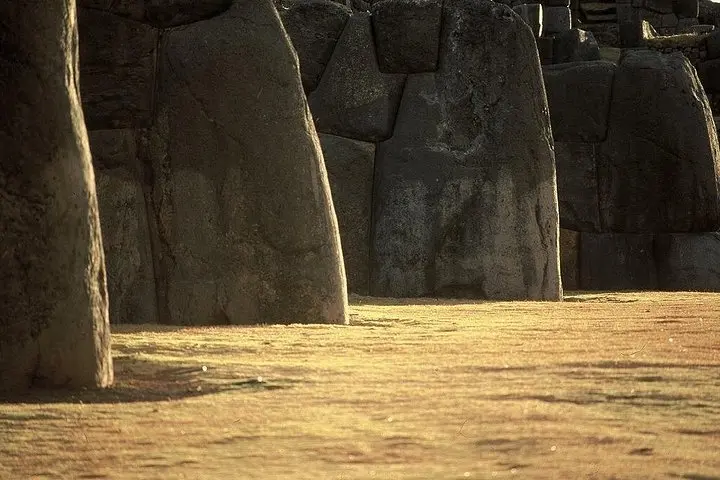
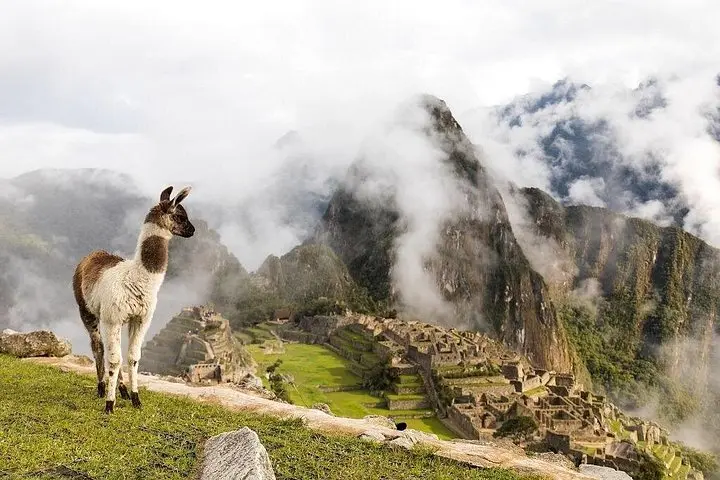
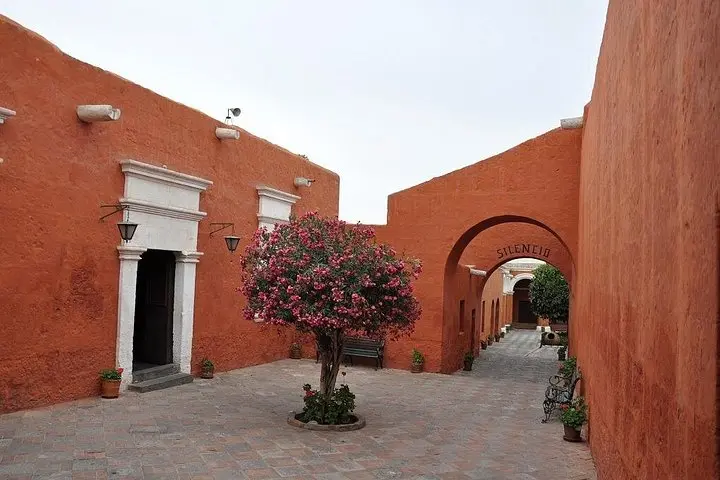
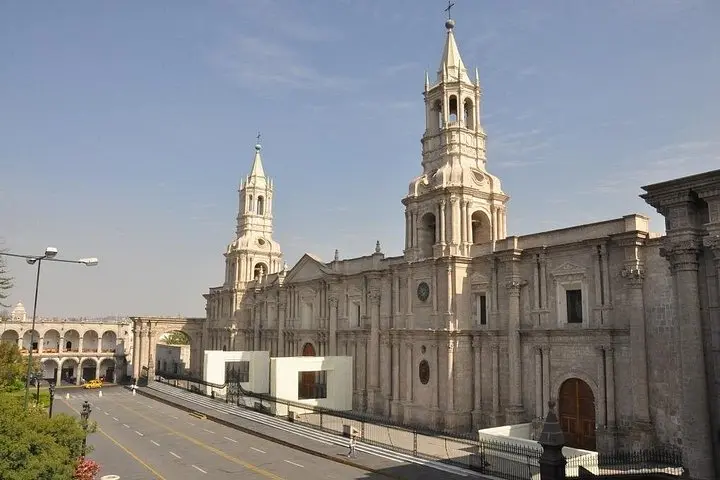
This route threads together colonial Lima’s narrow streets, the marine cliffs of the Paracas reserve, the Nazca geoglyphs etched into desert, Arequipa’s volcanic skyline, the breath-stealing vistas of Colca Canyon and the living islands of Lake Titicaca before tracing Inca stonework through the Sacred Valley to Machu Picchu. Geology here is dramatic: uplifted marine terraces, volcanic cones and high puna plateaus tell a story of ocean and fire. Culturally, the trip balances Spanish colonial heritage and living Andean traditions — markets, textile workshops and communities that keep Quechua language and craft alive.
Practical side: expect long transfers by bus and several early mornings; trains to Aguas Calientes are scenic but restrict luggage size. High altitude is the real variable — build rest days into your plan, hydrate, and favour slow ascents above 3,000–4,000 m. Footwear should handle cobbles and light trails; sun protection and a refillable bottle are essentials given new single-use plastic rules at natural reserves. Timing matters: the dry season (May–September) offers clearer mountain views, while Dec–Mar brings rains that can alter some rural visits.
By the end you’ve not only seen iconic sites — you’ve moved through the forces that shaped them: wind, water and long human adaptation.
Yes — parts of this tour exceed 3,000 m. Take it easy the first 24–48 hours at altitude, stay hydrated, avoid alcohol and consult a doctor about medication if you have heart or respiratory conditions.
The itinerary includes entrance and train tickets, but current regulations limit time in the citadel to a 4-hour guided slot; additional hikes like Huayna Picchu require separate tickets and time allowances.
Most days include guided tours in the morning or afternoon with hotel nights free to explore independently; expect several full travel days with limited free time.
The shared tour operates with up to 25 travellers; bilingual English–Spanish guides accompany activities as noted in the itinerary.
LimaTours operates guided outdoor trips and adventures with an emphasis on safety, stewardship, and memorable experiences.
You step off the bus into a high, cool air that smells of stone and roasting corn; the Andes press in like a slow-moving wall, and the plaza buzzes with vendors and distant church bells. Over the next fifteen days you travel that wall — from the Pacific wind at Paracas to the thin, luminous air above Puno and the carved stone of Machu Picchu — encountering deserts, volcanic plateaus and lake flats that change mood by the hour.
You step off the bus into a high, cool air that smells of stone and roasting corn; the Andes press in like a slow-moving wall, and the plaza buzzes with vendors and distant church bells. Over the next fifteen days you travel that wall — from the Pacific wind at Paracas to the thin, luminous air above Puno and the carved stone of Machu Picchu — encountering deserts, volcanic plateaus and lake flats that change mood by the hour.
This route threads together colonial Lima’s narrow streets, the marine cliffs of the Paracas reserve, the Nazca geoglyphs etched into desert, Arequipa’s volcanic skyline, the breath-stealing vistas of Colca Canyon and the living islands of Lake Titicaca before tracing Inca stonework through the Sacred Valley to Machu Picchu. Geology here is dramatic: uplifted marine terraces, volcanic cones and high puna plateaus tell a story of ocean and fire. Culturally, the trip balances Spanish colonial heritage and living Andean traditions — markets, textile workshops and communities that keep Quechua language and craft alive.
Practical side: expect long transfers by bus and several early mornings; trains to Aguas Calientes are scenic but restrict luggage size. High altitude is the real variable — build rest days into your plan, hydrate, and favour slow ascents above 3,000–4,000 m. Footwear should handle cobbles and light trails; sun protection and a refillable bottle are essentials given new single-use plastic rules at natural reserves. Timing matters: the dry season (May–September) offers clearer mountain views, while Dec–Mar brings rains that can alter some rural visits.
By the end you’ve not only seen iconic sites — you’ve moved through the forces that shaped them: wind, water and long human adaptation.