THE ADVENTURE COLLECTIVE® · Independent discovery and booking for outdoor travel

A 15-day, high-altitude trek from Lukla traversing Renjo La, Cho La and Congmala passes to Everest Base Camp and Gokyo Lakes. Expect long days, basic teahouse stays, mandatory permits and dramatic glacier views — plan for acclimatization and weather delays.
A 15-day, high-altitude trek from Lukla traversing Renjo La, Cho La and Congmala passes to Everest Base Camp and Gokyo Lakes. Expect long days, basic teahouse stays, mandatory permits and dramatic glacier views — plan for acclimatization and weather delays.
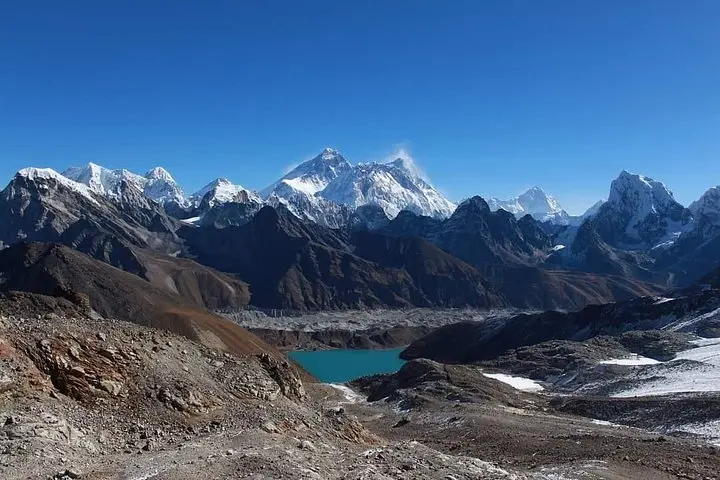
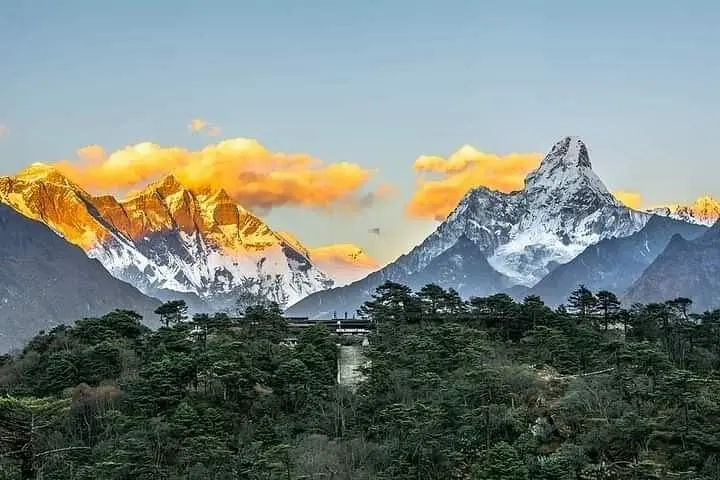
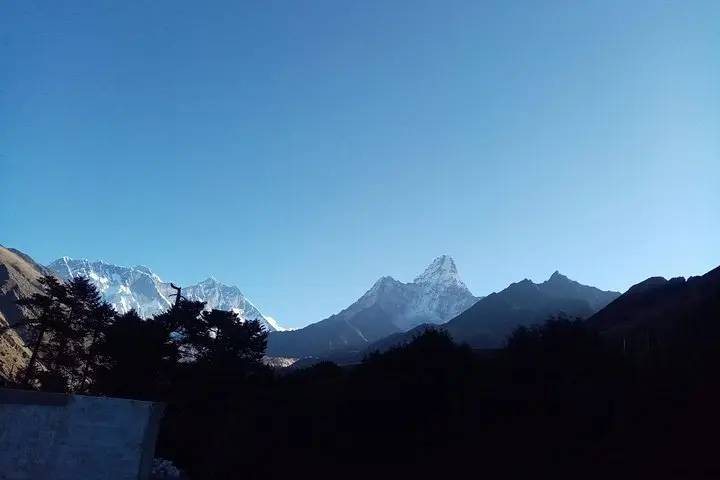
You step off the Lukla airstrip and the mountain announces itself: prayer flags flutter, river valleys cut sharp, and distant glaciers push the skyline into teeth. Over 15 days the trail climbs through rhododendron and pine, threads Sherpa villages, and forces you to negotiate three high passes — Renjo La, Cho La and the long Congmala — each one reshaping the view of Everest, Lhotse and Ama Dablam.
Verified experiences and guided adventures in the surrounding area.
Operated by CAN Travels · Lukla, Solukhumbu
You step off the Lukla airstrip and the mountain announces itself: prayer flags flutter, river valleys cut sharp, and distant glaciers push the skyline into teeth. Over 15 days the trail climbs through rhododendron and pine, threads Sherpa villages, and forces you to negotiate three high passes — Renjo La, Cho La and the long Congmala — each one reshaping the view of Everest, Lhotse and Ama Dablam.
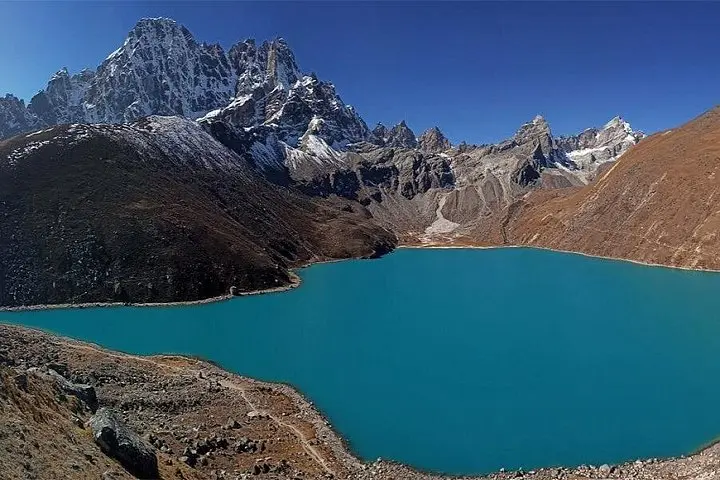
The route follows long-established trade and pilgrimage corridors in the Khumbu. Sherpa culture is visible in mani stones, gompas and tea houses; Thame and Khumjung recall Tenzing Norgay’s local history. Geologically the trek crosses moraines and glacial lakes like Gokyo — living records of Himalayan uplift and contemporary ice loss. Streams descend in urgent voices; the Khumbu Glacier grinds and calves lower in the valley.
Practically, this is a high-altitude, multi-day lodge trek with daily walking averages of 4–9 hours, maximum altitudes above 5,400 m and required permits (Sagarmatha National Park and TIMS). Acclimatization days at Namche and cautious pacing matter more than speed. Expect basic guesthouse accommodations, simple cooked meals, and variable weather: blue-sky mornings can flip to wind-driven snow by afternoon. Flights to/from Lukla are weather-dependent — build buffer days into travel plans. Carry layered clothing, a warm sleeping bag, and a small medical kit; hydration and calorie intake are essential for altitude. The trail rewards effort with glacier-scarred panoramas, quiet tea houses and close-up interactions with Sherpa life — it’s rigorous, elemental, and unmistakably Himalayan.
Yes — Sagarmatha National Park entry and a TIMS card are required and are usually arranged by your operator.
Flights are weather-dependent and can be delayed or canceled; it’s advisable to build buffer days into your itinerary.
Teahouses offer basic twin rooms, shared bathrooms and communal meals; hot showers and charging come at extra cost.
Acute Mountain Sickness is the main risk — acclimatize, stay hydrated, avoid rapid ascent and know symptoms; guides carry first-aid kits and can arrange evacuation if needed.
CAN Travels operates guided outdoor trips and adventures with an emphasis on safety, stewardship, and memorable experiences.
You step off the Lukla airstrip and the mountain announces itself: prayer flags flutter, river valleys cut sharp, and distant glaciers push the skyline into teeth. Over 15 days the trail climbs through rhododendron and pine, threads Sherpa villages, and forces you to negotiate three high passes — Renjo La, Cho La and the long Congmala — each one reshaping the view of Everest, Lhotse and Ama Dablam.
You step off the Lukla airstrip and the mountain announces itself: prayer flags flutter, river valleys cut sharp, and distant glaciers push the skyline into teeth. Over 15 days the trail climbs through rhododendron and pine, threads Sherpa villages, and forces you to negotiate three high passes — Renjo La, Cho La and the long Congmala — each one reshaping the view of Everest, Lhotse and Ama Dablam.
The route follows long-established trade and pilgrimage corridors in the Khumbu. Sherpa culture is visible in mani stones, gompas and tea houses; Thame and Khumjung recall Tenzing Norgay’s local history. Geologically the trek crosses moraines and glacial lakes like Gokyo — living records of Himalayan uplift and contemporary ice loss. Streams descend in urgent voices; the Khumbu Glacier grinds and calves lower in the valley.
Practically, this is a high-altitude, multi-day lodge trek with daily walking averages of 4–9 hours, maximum altitudes above 5,400 m and required permits (Sagarmatha National Park and TIMS). Acclimatization days at Namche and cautious pacing matter more than speed. Expect basic guesthouse accommodations, simple cooked meals, and variable weather: blue-sky mornings can flip to wind-driven snow by afternoon. Flights to/from Lukla are weather-dependent — build buffer days into travel plans. Carry layered clothing, a warm sleeping bag, and a small medical kit; hydration and calorie intake are essential for altitude. The trail rewards effort with glacier-scarred panoramas, quiet tea houses and close-up interactions with Sherpa life — it’s rigorous, elemental, and unmistakably Himalayan.