THE ADVENTURE COLLECTIVE® · Independent discovery and booking for outdoor travel

Fly into Lukla and walk through Sherpa villages, rhododendron forests, and glacial moraine to reach Everest Base Camp and Kala Patthar. This 15‑day itinerary pairs Kathmandu’s UNESCO sites with a guided, acclimatized ascent into the Khumbu for dramatic summit views.
Fly into Lukla and walk through Sherpa villages, rhododendron forests, and glacial moraine to reach Everest Base Camp and Kala Patthar. This 15‑day itinerary pairs Kathmandu’s UNESCO sites with a guided, acclimatized ascent into the Khumbu for dramatic summit views.
The plane drops you into Lukla on a short, dramatic runway; prayer flags snap in thin air while the valley beyond unfurls a stony stair of switchbacks and villages. Daylight catches the serrated ridgelines and the Khumbu Glacier groans and calves far below as you begin the steady climb toward Gorak Shep and Kala Patthar.
Verified experiences and guided adventures in the surrounding area.
Operated by Attractive Travels and Tours Pvt. Ltd. · Lukla, Province No. 1
The plane drops you into Lukla on a short, dramatic runway; prayer flags snap in thin air while the valley beyond unfurls a stony stair of switchbacks and villages. Daylight catches the serrated ridgelines and the Khumbu Glacier groans and calves far below as you begin the steady climb toward Gorak Shep and Kala Patthar.
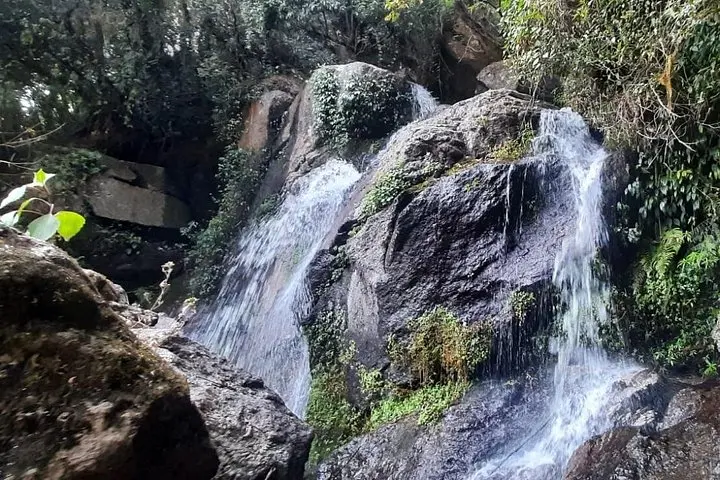
This route threads Sagarmatha National Park, a UNESCO World Heritage site since 1979, formed by the ongoing collision of the Indian and Eurasian plates that heaved the Himalaya skyward. Sherpa villages and Himalayan Buddhist monasteries line the trail, their chortens and mani walls marking centuries of high-altitude culture and trade. Geologically, this landscape is young, raw, and actively eroding — expect moraine, loose scree, and crevassed ice near the Khumbu.
Practically, the itinerary covers roughly 120–130 km round-trip with daily walking blocks typically 4–7 hours and altitude gain concentrated above Namche Bazaar, topping at Kala Patthar (~5,644 m). Allow full acclimatization days in Namche and Pheriche, and plan for unreliable Lukla flights; weather can delay departures. Porter service is provided on most tours, but trekkers should carry a daypack with warm layers, water, and basic meds including altitude remedies and blister care.
Expect thin air, dramatic sunrise colors on Everest’s flanks, simple tea-house meals, and nights that demand serious insulation. Respect local conservation rules, pack out non-biodegradable waste, and budget extra days for weather windows — the mountain always has the final say.
Spring (March–May) and fall (September–November) offer the most stable weather, clear views, and warmer daytime hiking conditions.
Yes. Sagarmatha National Park permit and TIMS card are required; the operator typically arranges these for you.
Lukla is a short mountain flight with a steep approach and short runway; flights are weather dependent and occasionally canceled.
No technical climbing experience is required, but previous multi-day trekking and good cardiovascular fitness help with acclimatization and comfort.
Attractive Travels and Tours Pvt. Ltd. operates guided outdoor trips and adventures with an emphasis on safety, stewardship, and memorable experiences.
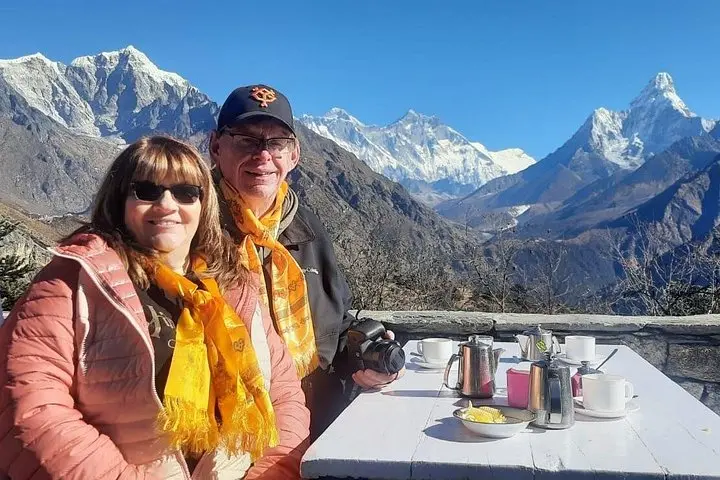
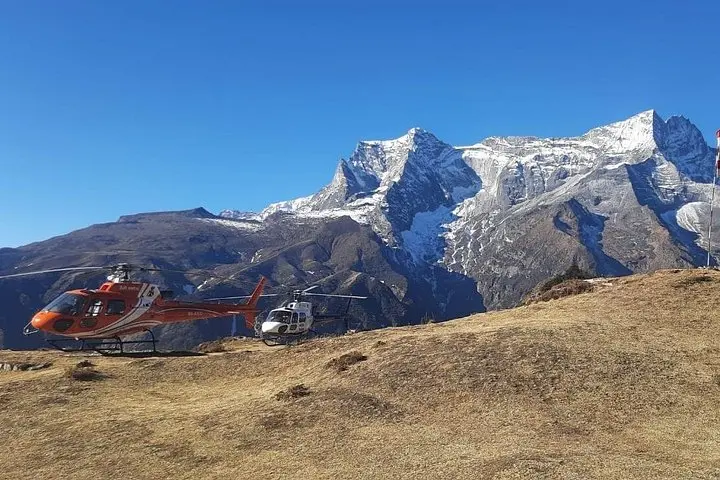
The plane drops you into Lukla on a short, dramatic runway; prayer flags snap in thin air while the valley beyond unfurls a stony stair of switchbacks and villages. Daylight catches the serrated ridgelines and the Khumbu Glacier groans and calves far below as you begin the steady climb toward Gorak Shep and Kala Patthar.
The plane drops you into Lukla on a short, dramatic runway; prayer flags snap in thin air while the valley beyond unfurls a stony stair of switchbacks and villages. Daylight catches the serrated ridgelines and the Khumbu Glacier groans and calves far below as you begin the steady climb toward Gorak Shep and Kala Patthar.
This route threads Sagarmatha National Park, a UNESCO World Heritage site since 1979, formed by the ongoing collision of the Indian and Eurasian plates that heaved the Himalaya skyward. Sherpa villages and Himalayan Buddhist monasteries line the trail, their chortens and mani walls marking centuries of high-altitude culture and trade. Geologically, this landscape is young, raw, and actively eroding — expect moraine, loose scree, and crevassed ice near the Khumbu.
Practically, the itinerary covers roughly 120–130 km round-trip with daily walking blocks typically 4–7 hours and altitude gain concentrated above Namche Bazaar, topping at Kala Patthar (~5,644 m). Allow full acclimatization days in Namche and Pheriche, and plan for unreliable Lukla flights; weather can delay departures. Porter service is provided on most tours, but trekkers should carry a daypack with warm layers, water, and basic meds including altitude remedies and blister care.
Expect thin air, dramatic sunrise colors on Everest’s flanks, simple tea-house meals, and nights that demand serious insulation. Respect local conservation rules, pack out non-biodegradable waste, and budget extra days for weather windows — the mountain always has the final say.