THE ADVENTURE COLLECTIVE® · Independent discovery and booking for outdoor travel

Trace the Nile from Cairo’s museums to Luxor’s tombs and Aswan’s granite quarries on a 15-day guided tour that blends iconic archaeology with two nights aboard a traditional felucca. Practical tips and cultural context for planning your trip.
Trace the Nile from Cairo’s museums to Luxor’s tombs and Aswan’s granite quarries on a 15-day guided tour that blends iconic archaeology with two nights aboard a traditional felucca. Practical tips and cultural context for planning your trip.
You step off the plane into Cairo's heat and the city swells around you—horns, ancient stone, and the distant silhouette of a pyramid. The trip moves like the Nile itself: a steady current from the dusty monuments of Saqqara and the Egyptian Museum to the columned halls of Luxor and the quiet blue of Aswan.
Verified experiences and guided adventures in the surrounding area.
Operated by Egypt Trip of a Life Time · Cairo, Cairo Governorate
You step off the plane into Cairo's heat and the city swells around you—horns, ancient stone, and the distant silhouette of a pyramid. The trip moves like the Nile itself: a steady current from the dusty monuments of Saqqara and the Egyptian Museum to the columned halls of Luxor and the quiet blue of Aswan.
This itinerary threads Egypt’s layered history: Early Dynastic mastabas at Saqqara, New Kingdom ritual in Karnak and Luxor, the royal necropolis of the Valley of the Kings, and the relocated giants of Abu Simbel—each site speaks to millennia of monumental stonework and riverine civilization. Geologically, the tour traces the fertile Nile corridor carved through limestone and granite, the same bedrock that preserved temples and obelisks.
Culturally, you’ll meet Nubian communities along the river, taste local stews and flatbreads, and spend two nights on a felucca where bird song and a lanterned sky replace the city’s din. Expect market alleys, bargaining etiquette, and quiet temple courtyards where guides narrate hieroglyphic stories.
Practically: mornings are best for major sites to avoid heat and crowds; comfortable, closed-toe shoes are necessary for uneven temple floors; carry water and sun protection; vaccinations and travel documents should be current. The pace is moderate—daytime touring with transfers and a mix of hotels and the felucca. Accessibility varies by site; many museums and modern ferry points are wheelchair-friendly, but some archaeological areas require steps and uneven paths.
This is a cultural-archaeological journey with pockets of gentle outdoor adventure—ideal for travelers who want deep context, varied landscapes, and the slow rhythm of the Nile.
Most nationalities require a tourist visa; check the Egyptian consulate website for current rules or obtain an e‑visa before travel.
Felucca cabins are simple; expect basic sleeping arrangements, overnight temperatures that can be cool, and limited facilities—perfect for travelers comfortable with rustic sailing.
Several meals are included (breakfasts, some lunches and dinners as listed); expect opportunities to sample local restaurants on free days.
Major museums and some modern sites have accessibility options, but many temple complexes and tombs have steps, narrow passages, or uneven surfaces that challenge mobility.
Egypt Trip of a Life Time operates guided outdoor trips and adventures with an emphasis on safety, stewardship, and memorable experiences.


You step off the plane into Cairo's heat and the city swells around you—horns, ancient stone, and the distant silhouette of a pyramid. The trip moves like the Nile itself: a steady current from the dusty monuments of Saqqara and the Egyptian Museum to the columned halls of Luxor and the quiet blue of Aswan.
You step off the plane into Cairo's heat and the city swells around you—horns, ancient stone, and the distant silhouette of a pyramid. The trip moves like the Nile itself: a steady current from the dusty monuments of Saqqara and the Egyptian Museum to the columned halls of Luxor and the quiet blue of Aswan.
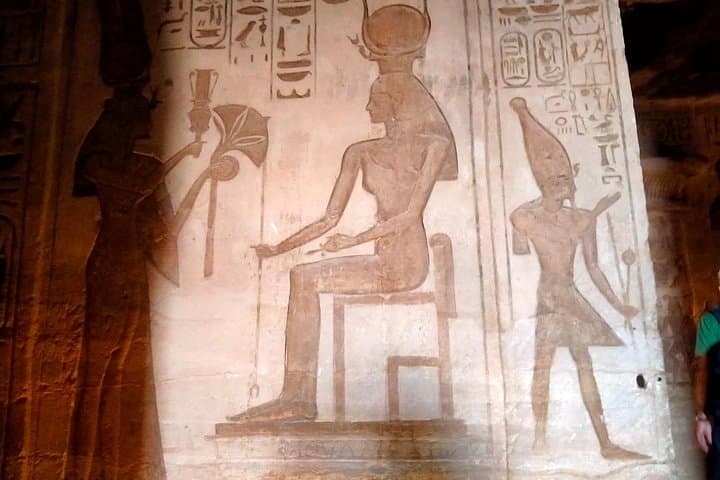
This itinerary threads Egypt’s layered history: Early Dynastic mastabas at Saqqara, New Kingdom ritual in Karnak and Luxor, the royal necropolis of the Valley of the Kings, and the relocated giants of Abu Simbel—each site speaks to millennia of monumental stonework and riverine civilization. Geologically, the tour traces the fertile Nile corridor carved through limestone and granite, the same bedrock that preserved temples and obelisks.
Culturally, you’ll meet Nubian communities along the river, taste local stews and flatbreads, and spend two nights on a felucca where bird song and a lanterned sky replace the city’s din. Expect market alleys, bargaining etiquette, and quiet temple courtyards where guides narrate hieroglyphic stories.
Practically: mornings are best for major sites to avoid heat and crowds; comfortable, closed-toe shoes are necessary for uneven temple floors; carry water and sun protection; vaccinations and travel documents should be current. The pace is moderate—daytime touring with transfers and a mix of hotels and the felucca. Accessibility varies by site; many museums and modern ferry points are wheelchair-friendly, but some archaeological areas require steps and uneven paths.
This is a cultural-archaeological journey with pockets of gentle outdoor adventure—ideal for travelers who want deep context, varied landscapes, and the slow rhythm of the Nile.