THE ADVENTURE COLLECTIVE® · Independent discovery and booking for outdoor travel

Covering Guayaquil’s estuaries, Andean moorlands, Pacific beaches and a week in the Galápagos, this 15-day southern Ecuador adventure blends birdwatching, archaeology, surf culture and island wildlife. Expect varied terrain, flights to the islands and a mix of active days and coastal downtime.
Covering Guayaquil’s estuaries, Andean moorlands, Pacific beaches and a week in the Galápagos, this 15-day southern Ecuador adventure blends birdwatching, archaeology, surf culture and island wildlife. Expect varied terrain, flights to the islands and a mix of active days and coastal downtime.
You step off the bus into Guayaquil’s humid air and the Guayas River seems to push you toward the coast—a fitting first pulse for a trip that compresses mountains, seas and islands into two weeks.
Verified experiences and guided adventures in the surrounding area.
Operated by Guayaquil a guided visit · Guayaquil, Guayas
You step off the bus into Guayaquil’s humid air and the Guayas River seems to push you toward the coast—a fitting first pulse for a trip that compresses mountains, seas and islands into two weeks.
Over 15 days this itinerary threads city streets and colonial plazas with dry tropical forest, moorland trails and one week in the Galápagos. In the lowlands, mangrove estuaries demand quiet binocular work for kingfishers and herons; inland, the road to Cuenca climbs from sea level to the páramo of El Cajas where a two-mile moorland walk crosses cushion plants and peat lakes at roughly 3,200–3,400 m.
History and geology appear at every turn: Inca and Cañari stonework at Ingapirca, Spanish-era churches in Cuenca, volcanic rock underpins the Galápagos, and Isla de la Plata offers an accessible taste of island seabird colonies. Coastal villages show Ecuador’s surf culture and sandy sunsets—Salinas is lively, while Balsa Surf Camp leans into relaxed surf rhythms. Between July and October, humpback whales may punctuate offshore days.
Practical guidance: expect varied terrain—estuary cruises and short jungle walks, a 3.2 km moorland hike with some altitude, beach time and boat transfers to Isla de la Plata and the Galápagos. Passport required; luggage limits apply for island flights; plan layered clothing, sturdy waterproof shoes, reef-safe sunscreen, and basic snorkeling gear for the Galápagos. A moderate fitness level helps with daily transitions and higher-altitude walks. Hydrate, mind the altitude on arrival to El Cajas, and book any certified dives in advance.
This route rewards travelers who want wildlife, culture and active coastal days woven into one continuous southern Ecuador loop.
A valid passport is required for all participants; many nationalities can enter Ecuador visa-free short-term—check your government’s rules before travel.
Yes—the week in the Galápagos is tailored to group preferences with alternating active and easier days; certified dives require proof of certification.
Moderate fitness is recommended: expect multiple travel days, short hikes including a 3.2 km moorland trek and occasional high-elevation walking.
Humpback whale presence peaks between July and October along Ecuador’s Pacific coast and offshore islands.
Guayaquil a guided visit operates guided outdoor trips and adventures with an emphasis on safety, stewardship, and memorable experiences.
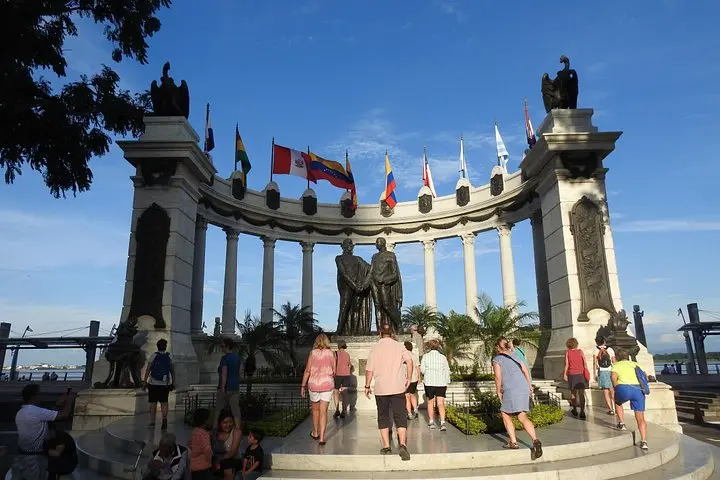
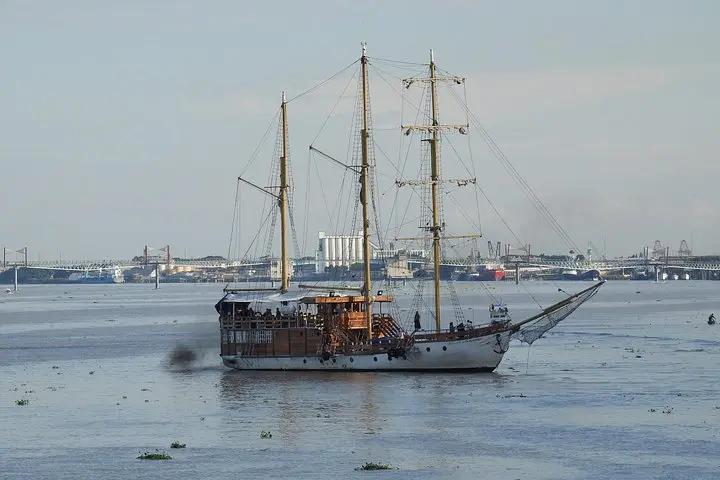
You step off the bus into Guayaquil’s humid air and the Guayas River seems to push you toward the coast—a fitting first pulse for a trip that compresses mountains, seas and islands into two weeks.
You step off the bus into Guayaquil’s humid air and the Guayas River seems to push you toward the coast—a fitting first pulse for a trip that compresses mountains, seas and islands into two weeks.
Over 15 days this itinerary threads city streets and colonial plazas with dry tropical forest, moorland trails and one week in the Galápagos. In the lowlands, mangrove estuaries demand quiet binocular work for kingfishers and herons; inland, the road to Cuenca climbs from sea level to the páramo of El Cajas where a two-mile moorland walk crosses cushion plants and peat lakes at roughly 3,200–3,400 m.
History and geology appear at every turn: Inca and Cañari stonework at Ingapirca, Spanish-era churches in Cuenca, volcanic rock underpins the Galápagos, and Isla de la Plata offers an accessible taste of island seabird colonies. Coastal villages show Ecuador’s surf culture and sandy sunsets—Salinas is lively, while Balsa Surf Camp leans into relaxed surf rhythms. Between July and October, humpback whales may punctuate offshore days.
Practical guidance: expect varied terrain—estuary cruises and short jungle walks, a 3.2 km moorland hike with some altitude, beach time and boat transfers to Isla de la Plata and the Galápagos. Passport required; luggage limits apply for island flights; plan layered clothing, sturdy waterproof shoes, reef-safe sunscreen, and basic snorkeling gear for the Galápagos. A moderate fitness level helps with daily transitions and higher-altitude walks. Hydrate, mind the altitude on arrival to El Cajas, and book any certified dives in advance.
This route rewards travelers who want wildlife, culture and active coastal days woven into one continuous southern Ecuador loop.