THE ADVENTURE COLLECTIVE® · Independent discovery and booking for outdoor travel

A 15‑day circuit through southern Peru that blends coastal reserves, high Andean plateaus and iconic Inca sites. Expect long drives, high passes and a sequence of cultural and natural highlights from Paracas to Machu Picchu.
A 15‑day circuit through southern Peru that blends coastal reserves, high Andean plateaus and iconic Inca sites. Expect long drives, high passes and a sequence of cultural and natural highlights from Paracas to Machu Picchu.
You start on the south Pan‑American at dawn, the Pacific to your left and wind lifting a salt haze off the highway. By afternoon the coast gives way to baked deserts and, days later, to high puna where llamas patrol the roadside and volcanoes stand like old guardians. The trip moves from ocean cliffs and the productive Humboldt Current at Paracas to the soaring terraces of the Sacred Valley and the mist‑curtained ruins of Machu Picchu.
Verified experiences and guided adventures in the surrounding area.
Operated by Tierras de los Andes · Cusco, Cusco Region
You start on the south Pan‑American at dawn, the Pacific to your left and wind lifting a salt haze off the highway. By afternoon the coast gives way to baked deserts and, days later, to high puna where llamas patrol the roadside and volcanoes stand like old guardians. The trip moves from ocean cliffs and the productive Humboldt Current at Paracas to the soaring terraces of the Sacred Valley and the mist‑curtained ruins of Machu Picchu.
Southern Peru is a history written in stone and salt: pre‑Inca cemeteries at Chauchilla, the geometric mystery of the Nazca lines seen from the air, Inca agricultural labs at Moray and the salt pans of Maras that still follow ancestral channels. Geologically, the Andes you cross are the result of the Nazca Plate plunging beneath South America, raising volcanoes such as Misti and Ampato; Lake Titicaca sits high on the Altiplano, a cold, blue body that seems to push back at the shore.
Culturally the route threads Aymara and Quechua communities where weaving, market trade and cooperative farming remain daily practice. Wildlife punctuates the route: vicuñas on the high plain, condors riding canyon thermals above Colca.
Practical guidance: plan for altitude—build two to three easy days of acclimatization, carry water and electrolyte mixes, and pack layered clothing for sun, wind and nighttime cold. Good hiking shoes handle cobbled Inca trails; a daypack and rain layer are essential for cloud forest hikes to Machu Picchu. Travel early between sights to avoid crowds and leave extra time for road transfers—distances are long but the landscapes make the miles part of the experience.
Yes; the itinerary includes built‑in acclimatization days and guided visits, but allow time to rest and follow guide advice for altitude.
Most days combine guided visits with short free periods for meals and markets; expect full travel days with targeted site exploration.
No special vaccinations are required beyond routine ones; specific sites like Machu Picchu require advance entrance tickets which the operator arranges.
The operator notes dietary and accessibility needs during booking—contact them in advance to discuss reasonable adjustments.
Tierras de los Andes operates guided outdoor trips and adventures with an emphasis on safety, stewardship, and memorable experiences.
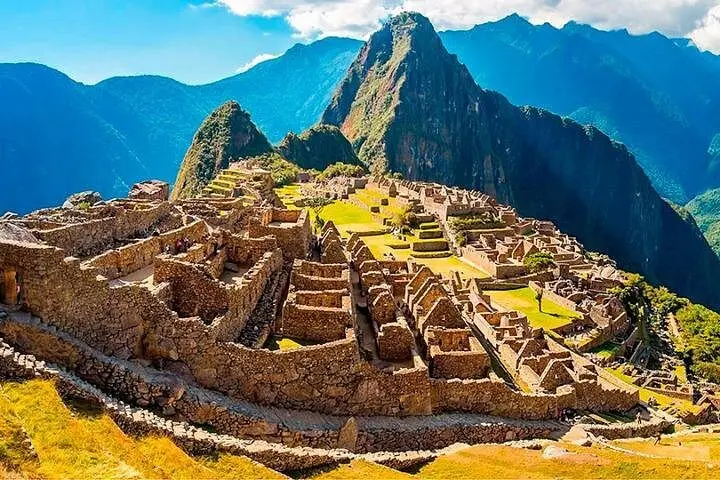
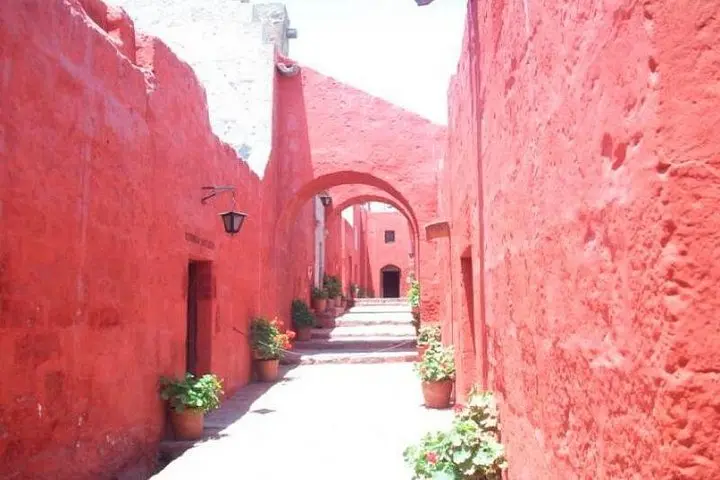
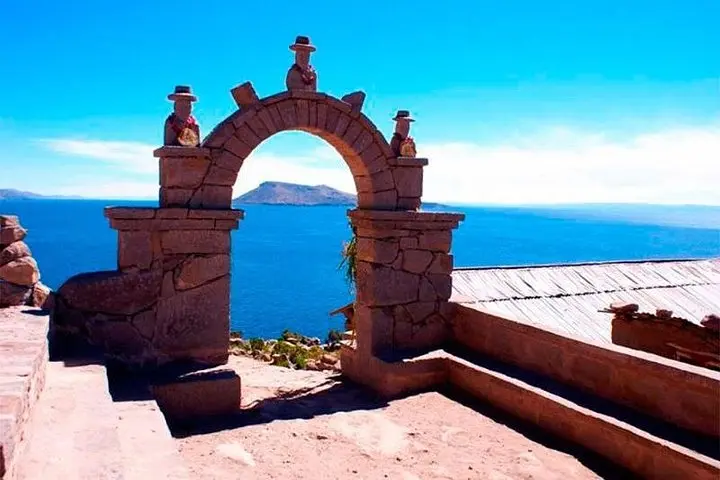
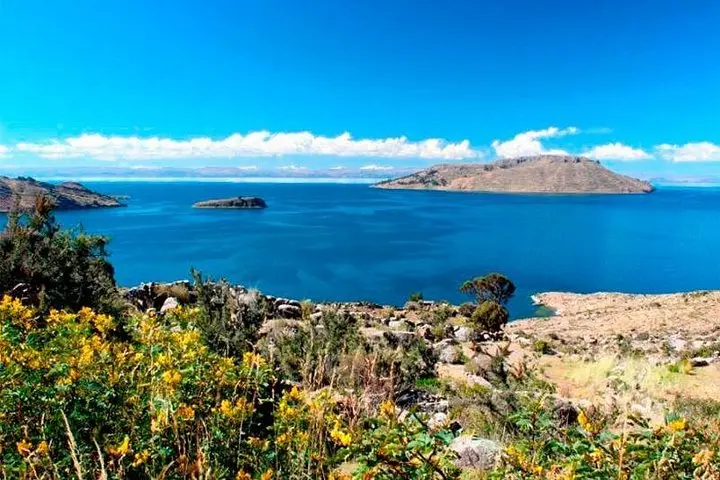
You start on the south Pan‑American at dawn, the Pacific to your left and wind lifting a salt haze off the highway. By afternoon the coast gives way to baked deserts and, days later, to high puna where llamas patrol the roadside and volcanoes stand like old guardians. The trip moves from ocean cliffs and the productive Humboldt Current at Paracas to the soaring terraces of the Sacred Valley and the mist‑curtained ruins of Machu Picchu.
You start on the south Pan‑American at dawn, the Pacific to your left and wind lifting a salt haze off the highway. By afternoon the coast gives way to baked deserts and, days later, to high puna where llamas patrol the roadside and volcanoes stand like old guardians. The trip moves from ocean cliffs and the productive Humboldt Current at Paracas to the soaring terraces of the Sacred Valley and the mist‑curtained ruins of Machu Picchu.
Southern Peru is a history written in stone and salt: pre‑Inca cemeteries at Chauchilla, the geometric mystery of the Nazca lines seen from the air, Inca agricultural labs at Moray and the salt pans of Maras that still follow ancestral channels. Geologically, the Andes you cross are the result of the Nazca Plate plunging beneath South America, raising volcanoes such as Misti and Ampato; Lake Titicaca sits high on the Altiplano, a cold, blue body that seems to push back at the shore.
Culturally the route threads Aymara and Quechua communities where weaving, market trade and cooperative farming remain daily practice. Wildlife punctuates the route: vicuñas on the high plain, condors riding canyon thermals above Colca.
Practical guidance: plan for altitude—build two to three easy days of acclimatization, carry water and electrolyte mixes, and pack layered clothing for sun, wind and nighttime cold. Good hiking shoes handle cobbled Inca trails; a daypack and rain layer are essential for cloud forest hikes to Machu Picchu. Travel early between sights to avoid crowds and leave extra time for road transfers—distances are long but the landscapes make the miles part of the experience.