THE ADVENTURE COLLECTIVE® · Independent discovery and booking for outdoor travel

A paced 16-day loop from Casablanca that pairs imperial cities with Atlas passes and a Sahara overnight. Expect long drives, short hikes, camel treks and varied cultural encounters—from Roman ruins to desert drums.
A paced 16-day loop from Casablanca that pairs imperial cities with Atlas passes and a Sahara overnight. Expect long drives, short hikes, camel treks and varied cultural encounters—from Roman ruins to desert drums.
You step off the plane at Mohammed V and a warm Atlantic wind pushes the city’s edges outward—mosaics, minarets, and the low blue roofs of Chefchaouen come into view over the course of two weeks. Drives across serrated Atlas ridgelines, narrow medina alleys, and the golden sweep of Erg Chebbi dunes mark this route; each night you change landscape and perspective.
Verified experiences and guided adventures in the surrounding area.
Operated by Travel China Guide · Casablanca, Casablanca-Settat
You step off the plane at Mohammed V and a warm Atlantic wind pushes the city’s edges outward—mosaics, minarets, and the low blue roofs of Chefchaouen come into view over the course of two weeks. Drives across serrated Atlas ridgelines, narrow medina alleys, and the golden sweep of Erg Chebbi dunes mark this route; each night you change landscape and perspective.
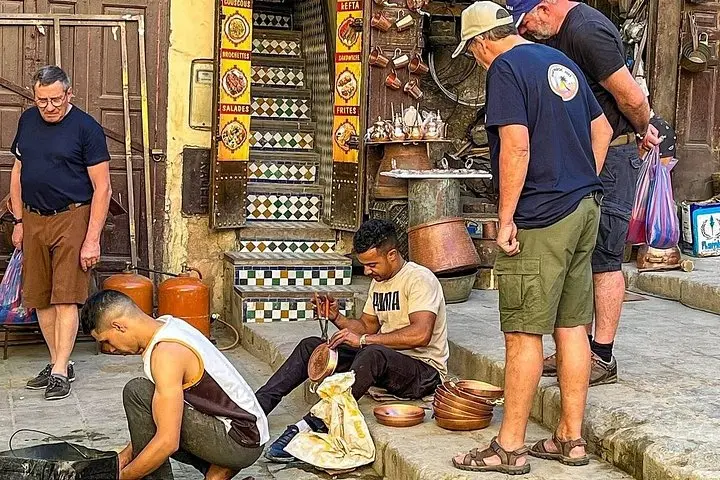
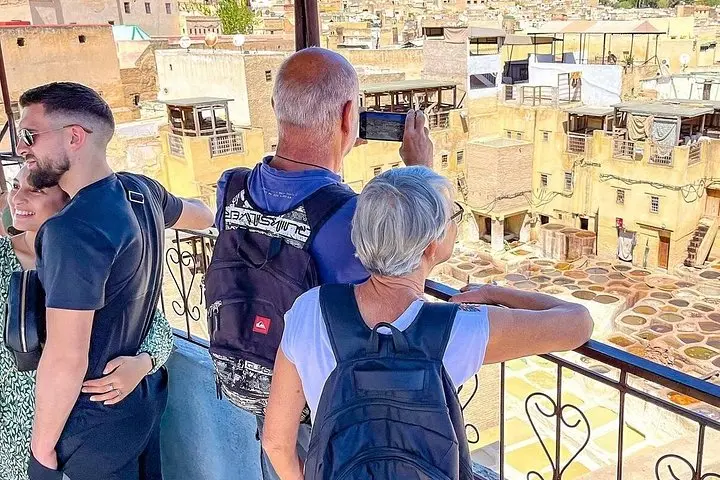
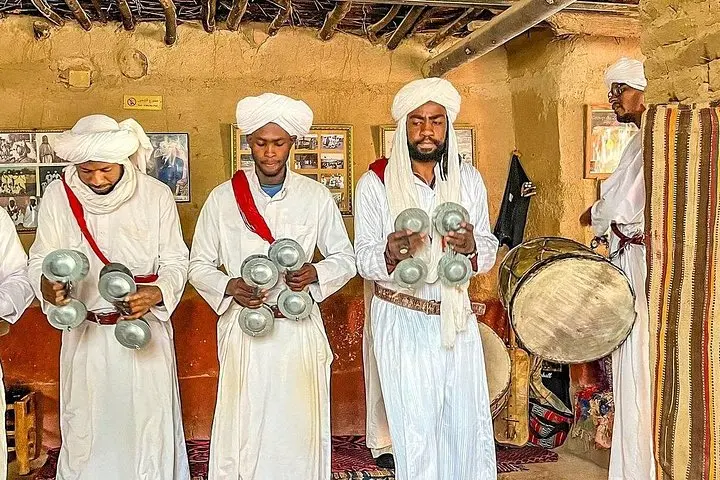
This itinerary threads Morocco’s layered history: Roman mosaics at Volubilis, the Almohad minarets of Rabat, imperial palaces in Meknes and Fez, and the earthen ksar of Ait Ben Haddou—sites shaped by geology from Atlantic sedimentary coastlines to volcanic Atlas passes and wind-sculpted dunes. Cultural life moves at its own pace; in Merzouga you’ll meet camel guides and Gnawa musicians, while markets from Tangier to Marrakech trade spices, leather and local stories.
Practically, expect long drives—211 km stretches and multiple 4–7 hour transits—interspersed with walking in medinas, short hikes in Todra Gorge (cliffs rise ~300 m) and a camel ride into Erg Chebbi at sunset. Altitude on Tizi n’Tichka reaches roughly 2,260 m; nights in the desert can drop sharply. Pack sun protection and layers, keep hydrated, and carry small-change for market purchases.
The tour balances easy walking with cultural immersion: bring comfortable shoes for cobbles, a daypack for water and camera gear, and an openness to varied accommodations from riads to a desert camp. With basic prep, the route offers a practical, sensory-forward way to experience Morocco’s cities, mountains and desert.
Most days involve short walks: medina explorations, a 1–2 hour hike in Todra Gorge, and camel treks of about an hour; long distances are covered by vehicle.
Breakfast is included daily; several lunches and dinners are provided as listed—riads, hotels and a desert camp are typical accommodations.
The tour is rated suitable for all fitness levels but includes long drives and some uneven surfaces; families and older travelers should consider mobility limitations and pace.
Tipping is customary for guides, drivers and small services; modest dress in conservative areas is respectful—carry small bills for tips and market purchases.
Travel China Guide operates guided outdoor trips and adventures with an emphasis on safety, stewardship, and memorable experiences.
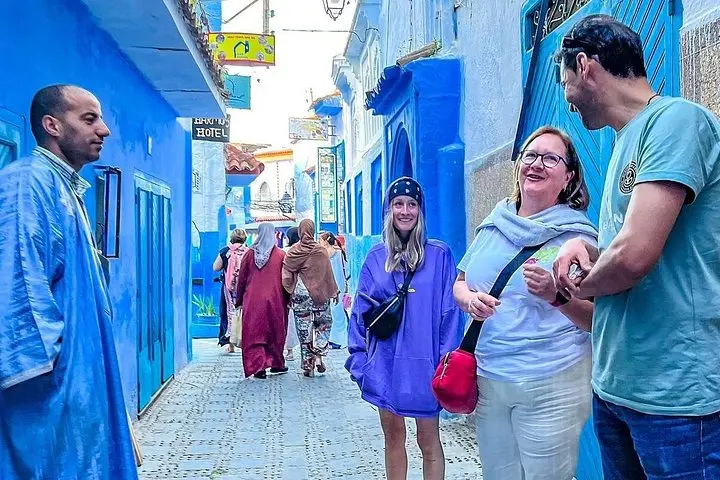
You step off the plane at Mohammed V and a warm Atlantic wind pushes the city’s edges outward—mosaics, minarets, and the low blue roofs of Chefchaouen come into view over the course of two weeks. Drives across serrated Atlas ridgelines, narrow medina alleys, and the golden sweep of Erg Chebbi dunes mark this route; each night you change landscape and perspective.
You step off the plane at Mohammed V and a warm Atlantic wind pushes the city’s edges outward—mosaics, minarets, and the low blue roofs of Chefchaouen come into view over the course of two weeks. Drives across serrated Atlas ridgelines, narrow medina alleys, and the golden sweep of Erg Chebbi dunes mark this route; each night you change landscape and perspective.
This itinerary threads Morocco’s layered history: Roman mosaics at Volubilis, the Almohad minarets of Rabat, imperial palaces in Meknes and Fez, and the earthen ksar of Ait Ben Haddou—sites shaped by geology from Atlantic sedimentary coastlines to volcanic Atlas passes and wind-sculpted dunes. Cultural life moves at its own pace; in Merzouga you’ll meet camel guides and Gnawa musicians, while markets from Tangier to Marrakech trade spices, leather and local stories.
Practically, expect long drives—211 km stretches and multiple 4–7 hour transits—interspersed with walking in medinas, short hikes in Todra Gorge (cliffs rise ~300 m) and a camel ride into Erg Chebbi at sunset. Altitude on Tizi n’Tichka reaches roughly 2,260 m; nights in the desert can drop sharply. Pack sun protection and layers, keep hydrated, and carry small-change for market purchases.
The tour balances easy walking with cultural immersion: bring comfortable shoes for cobbles, a daypack for water and camera gear, and an openness to varied accommodations from riads to a desert camp. With basic prep, the route offers a practical, sensory-forward way to experience Morocco’s cities, mountains and desert.