THE ADVENTURE COLLECTIVE® · Independent discovery and booking for outdoor travel

From the domes of Istanbul to balloon-dotted skies in Cappadocia and the travertine terraces of Pamukkale, this 16-day tour threads Turkey’s major highlights into a single, travel-savvy itinerary. Expect ancient ruins, coastal drives, protected turtle beaches, and plenty of early sunrises.
From the domes of Istanbul to balloon-dotted skies in Cappadocia and the travertine terraces of Pamukkale, this 16-day tour threads Turkey’s major highlights into a single, travel-savvy itinerary. Expect ancient ruins, coastal drives, protected turtle beaches, and plenty of early sunrises.
You step out of the airport into a dry, jasmine-scented night and the first lights of Istanbul tremble along the Bosphorus. The city feels like an introduction: minarets carving the skyline, ferries blinking across two continents. Over the next 16 days that same contrast—water and rock, empire and village—repeats in new forms: balloon-studded dawns over Cappadocia’s lunar tuff, the bone-white cascades of Pamukkale, and the slow green ribbon of Dalyan where loggerhead turtles come ashore.
Verified experiences and guided adventures in the surrounding area.
Operated by Goodman Tours · Istanbul, Istanbul
You step out of the airport into a dry, jasmine-scented night and the first lights of Istanbul tremble along the Bosphorus. The city feels like an introduction: minarets carving the skyline, ferries blinking across two continents. Over the next 16 days that same contrast—water and rock, empire and village—repeats in new forms: balloon-studded dawns over Cappadocia’s lunar tuff, the bone-white cascades of Pamukkale, and the slow green ribbon of Dalyan where loggerhead turtles come ashore.
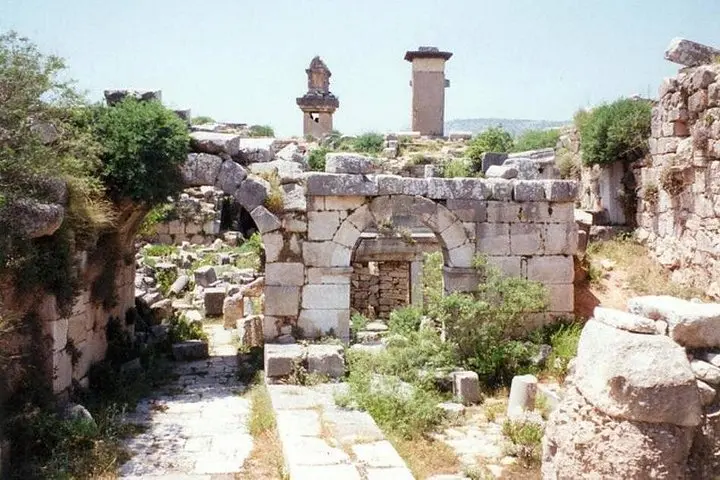
This itinerary moves like a well-paced essay on Turkey’s layers. In Istanbul you trace Byzantine domes and Ottoman courts—Topkapi’s jeweled rooms, Hagia Sophia’s dome—and take a Bosphorus cruise that literally crosses continents. Geology takes center stage in Cappadocia: volcanic eruptions laid down ash that hardened into tuff; centuries of wind and water carved fairy chimneys and underground cities like Kaymaklı. Along the southern coast, Lycian tombs are hewn into cliffs above the turquoise Aegean while Pamukkale’s travertine terraces form when calcium-rich thermal waters deposit new crusts, layer by layer, about 200 meters above the plain.
Culture here is tactile. In Avanos a potter’s wheel has shaped the same red clay since 3000 BC; in Kusadası and Ephesus you walk streets that once hosted merchants and apostles. Food ties it together—fish by the sea, gözleme from roadside stalls, slow indoor breakfasts in quiet pensions. Conservation is visible: Iztuzu Beach near Dalyan is a protected nesting site for Caretta caretta, and many sites manage visitor flow to protect fragile ruins and habitats.
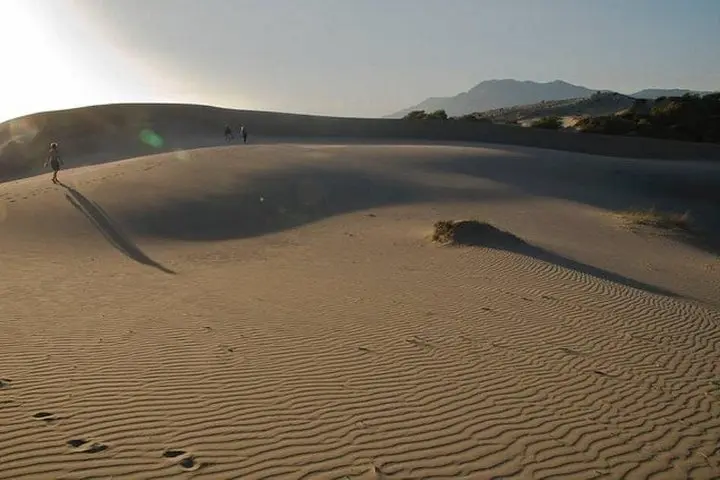
Practical edge: expect varied surfaces and early starts. Cappadocia’s viewpoints require short climbs and uneven rock; Ihlara Canyon walks can be up to 7–8 km along the Melendiz with modest elevation change; Patara’s sand stretches 17 km and contributes to heat on the coast. Domestic flights are included to bridge distances, but pack light—the transfers are frequent and often on winding roads. Book the optional hot-air balloon in Cappadocia early; flights run at dawn and sell out.
Timing and gear matter: in summer, move activities to mornings and evenings to avoid peak heat; in shoulder seasons, layers and a wind shell are essential for coastal evenings and higher-elevation mornings. Carry cash for small markets, a water bottle with a filter or refill plan, and comfortable walking shoes with grip for archaeological sites. A good camera battery and an early alarm will reward you—sunrise over Göreme and sunset along the Lycian coast are the moments this trip is built around.
No—balloon flights are usually optional and booked locally; they run at dawn and are weather-dependent, so reserve early.
Most site visits are easy to moderate—short hikes in Ihlara Canyon and climbs to viewpoints in Cappadocia require steady footing but no technical ability.
Yes—domestic flights called out in the itinerary (for example Istanbul–Cappadocia) are included in the program.
You may spot nesting activity at Iztuzu Beach and sea turtles offshore in summer, but sightings are not guaranteed and are protected by conservation measures.
Turkish lira is standard for local purchases; credit cards are widely accepted, and tipping guides and drivers (small amounts per day) is customary.
Yes—the tour accepts solo travelers and offers private options; pickups and transfers are organized, making logistics straightforward.
Goodman Tours operates guided outdoor trips and adventures with an emphasis on safety, stewardship, and memorable experiences.
You step out of the airport into a dry, jasmine-scented night and the first lights of Istanbul tremble along the Bosphorus. The city feels like an introduction: minarets carving the skyline, ferries blinking across two continents. Over the next 16 days that same contrast—water and rock, empire and village—repeats in new forms: balloon-studded dawns over Cappadocia’s lunar tuff, the bone-white cascades of Pamukkale, and the slow green ribbon of Dalyan where loggerhead turtles come ashore.
You step out of the airport into a dry, jasmine-scented night and the first lights of Istanbul tremble along the Bosphorus. The city feels like an introduction: minarets carving the skyline, ferries blinking across two continents. Over the next 16 days that same contrast—water and rock, empire and village—repeats in new forms: balloon-studded dawns over Cappadocia’s lunar tuff, the bone-white cascades of Pamukkale, and the slow green ribbon of Dalyan where loggerhead turtles come ashore.
This itinerary moves like a well-paced essay on Turkey’s layers. In Istanbul you trace Byzantine domes and Ottoman courts—Topkapi’s jeweled rooms, Hagia Sophia’s dome—and take a Bosphorus cruise that literally crosses continents. Geology takes center stage in Cappadocia: volcanic eruptions laid down ash that hardened into tuff; centuries of wind and water carved fairy chimneys and underground cities like Kaymaklı. Along the southern coast, Lycian tombs are hewn into cliffs above the turquoise Aegean while Pamukkale’s travertine terraces form when calcium-rich thermal waters deposit new crusts, layer by layer, about 200 meters above the plain.
Culture here is tactile. In Avanos a potter’s wheel has shaped the same red clay since 3000 BC; in Kusadası and Ephesus you walk streets that once hosted merchants and apostles. Food ties it together—fish by the sea, gözleme from roadside stalls, slow indoor breakfasts in quiet pensions. Conservation is visible: Iztuzu Beach near Dalyan is a protected nesting site for Caretta caretta, and many sites manage visitor flow to protect fragile ruins and habitats.
Practical edge: expect varied surfaces and early starts. Cappadocia’s viewpoints require short climbs and uneven rock; Ihlara Canyon walks can be up to 7–8 km along the Melendiz with modest elevation change; Patara’s sand stretches 17 km and contributes to heat on the coast. Domestic flights are included to bridge distances, but pack light—the transfers are frequent and often on winding roads. Book the optional hot-air balloon in Cappadocia early; flights run at dawn and sell out.
Timing and gear matter: in summer, move activities to mornings and evenings to avoid peak heat; in shoulder seasons, layers and a wind shell are essential for coastal evenings and higher-elevation mornings. Carry cash for small markets, a water bottle with a filter or refill plan, and comfortable walking shoes with grip for archaeological sites. A good camera battery and an early alarm will reward you—sunrise over Göreme and sunset along the Lycian coast are the moments this trip is built around.