THE ADVENTURE COLLECTIVE® · Independent discovery and booking for outdoor travel

From Hanoi’s morning bustle to the quiet floating markets of the Mekong, this 16-day loop stitches Vietnam’s highlands, coast and waterways into one continuous adventure. Expect village treks, an overnight Halong cruise, cultural sites and hands-on river life.
From Hanoi’s morning bustle to the quiet floating markets of the Mekong, this 16-day loop stitches Vietnam’s highlands, coast and waterways into one continuous adventure. Expect village treks, an overnight Halong cruise, cultural sites and hands-on river life.
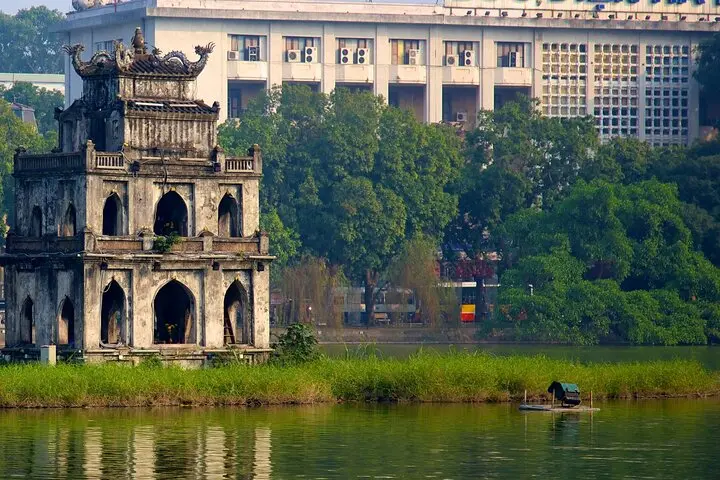
You step out into Hanoi's humid dawn and the city greets you with motorbikes threading through colonial streets, the Red River low and patient nearby. Over the next 16 days this itinerary pushes across northern highlands, limestone seas and the slow braided waterways of the Mekong—each landscape with its own pace and pull.
Verified experiences and guided adventures in the surrounding area.
Operated by Old Quarter Travel · Hanoi, Hanoi
You step out into Hanoi's humid dawn and the city greets you with motorbikes threading through colonial streets, the Red River low and patient nearby. Over the next 16 days this itinerary pushes across northern highlands, limestone seas and the slow braided waterways of the Mekong—each landscape with its own pace and pull.
Northern rice terraces around Sapa trace the contours of Hoang Lien Son; Fansipan rises nearby as Indochina’s rooftop. Halong Bay’s karst towers are limestone sentries carved by sea and time, while the Cham ruins at My Son and the French-built boulevards of Hue and Saigon map the layers of Vietnam’s history—dynasties, trade, war and coastal exchange. On the Mekong, sampans and basket boats keep rhythms older than tourism.
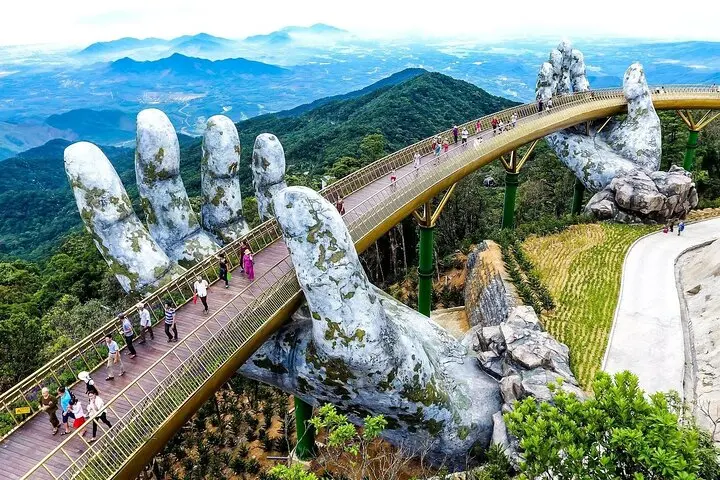
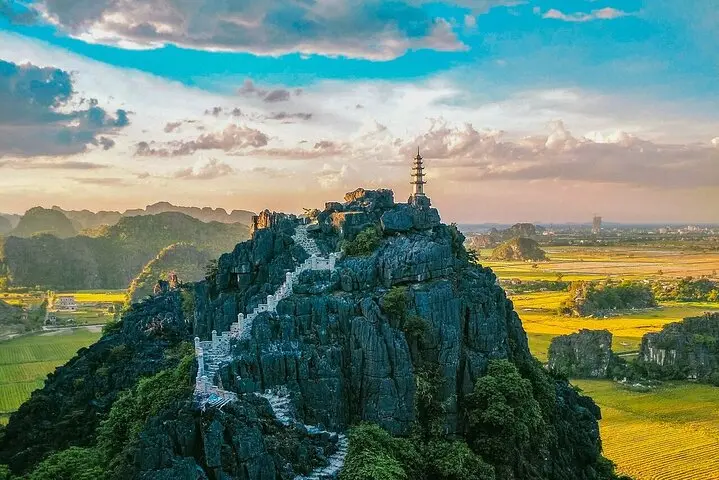
Expect short village treks (2.5–9 km segments in Sapa), an overnight cruise on Halong Bay, cable cars up Ba Na Hills, snorkel stops at Cham Island and gentle cycling in Ninh Binh and Mekong villages. Terrain varies from paved city streets to steep stone steps (Mua Cave ~500 steps) and muddy forest tracks; elevation ranges from sea level to alpine foothills. Weather shifts quickly—sun can feel fierce at low elevations, while mountain mornings are brisk.
Practical edge: pack layered breathable clothing, sturdy hiking shoes for terraces and village trails, reef-safe sunscreen for water days, and a small daypack for transfers. Hydrate before long drives or treks, keep photocopies of travel documents, and plan rest days into the sequence—this is a travel marathon, not a sprint.
Most days involve short to medium walks and some stairs; Sapa sections include 2–9 km treks over uneven terrain—good mobility is recommended but the trip is designed for a broad range of fitness levels.
Most breakfasts and many lunches are included throughout the itinerary, with a mix of hotels, sleeper trains and an overnight cruise—check the booking for exact meal counts.
Visa requirements vary by nationality—check Vietnam’s current entry rules well before travel and ensure passport validity matches requirements.
Yes; the group tour accommodates solo travelers with shared activities, though private upgrades may be available for more independence.
Old Quarter Travel operates guided outdoor trips and adventures with an emphasis on safety, stewardship, and memorable experiences.

You step out into Hanoi's humid dawn and the city greets you with motorbikes threading through colonial streets, the Red River low and patient nearby. Over the next 16 days this itinerary pushes across northern highlands, limestone seas and the slow braided waterways of the Mekong—each landscape with its own pace and pull.
You step out into Hanoi's humid dawn and the city greets you with motorbikes threading through colonial streets, the Red River low and patient nearby. Over the next 16 days this itinerary pushes across northern highlands, limestone seas and the slow braided waterways of the Mekong—each landscape with its own pace and pull.
Northern rice terraces around Sapa trace the contours of Hoang Lien Son; Fansipan rises nearby as Indochina’s rooftop. Halong Bay’s karst towers are limestone sentries carved by sea and time, while the Cham ruins at My Son and the French-built boulevards of Hue and Saigon map the layers of Vietnam’s history—dynasties, trade, war and coastal exchange. On the Mekong, sampans and basket boats keep rhythms older than tourism.
Expect short village treks (2.5–9 km segments in Sapa), an overnight cruise on Halong Bay, cable cars up Ba Na Hills, snorkel stops at Cham Island and gentle cycling in Ninh Binh and Mekong villages. Terrain varies from paved city streets to steep stone steps (Mua Cave ~500 steps) and muddy forest tracks; elevation ranges from sea level to alpine foothills. Weather shifts quickly—sun can feel fierce at low elevations, while mountain mornings are brisk.
Practical edge: pack layered breathable clothing, sturdy hiking shoes for terraces and village trails, reef-safe sunscreen for water days, and a small daypack for transfers. Hydrate before long drives or treks, keep photocopies of travel documents, and plan rest days into the sequence—this is a travel marathon, not a sprint.