THE ADVENTURE COLLECTIVE® · Independent discovery and booking for outdoor travel

Seventeen days across Sri Lanka moves from salted western beaches to tea-clad highlands, ancient rock citadels and wildlife-rich parks. This private, guided loop balances active exploration—climbs, safaris and coastal walks—with cultural immersion at temples and village stops.
Seventeen days across Sri Lanka moves from salted western beaches to tea-clad highlands, ancient rock citadels and wildlife-rich parks. This private, guided loop balances active exploration—climbs, safaris and coastal walks—with cultural immersion at temples and village stops.
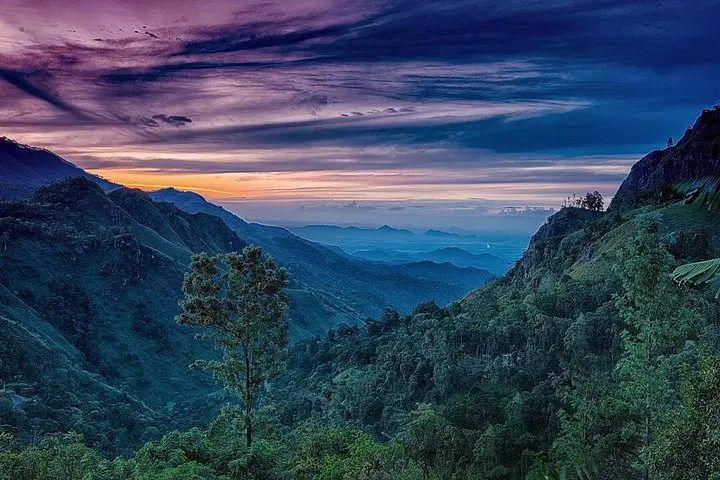
You step off the plane at Bandaranaike International Airport and the air already feels different—humid, warm, threaded with the distant clatter of tuk-tuks and the salt breath of the nearby coast. Over the next 17 days you move through Sri Lanka’s moods: the low, bone-white beaches of the west; green, monsoon-dark rainforests where tree trunks lean like old oars; tea-covered hills that slice the horizon; and granite outcrops topped by ancient palaces and frescoes that stare back at you.
Verified experiences and guided adventures in the surrounding area.
Operated by SKYLIT TOURS · Sigiriya, Central Province
You step off the plane at Bandaranaike International Airport and the air already feels different—humid, warm, threaded with the distant clatter of tuk-tuks and the salt breath of the nearby coast. Over the next 17 days you move through Sri Lanka’s moods: the low, bone-white beaches of the west; green, monsoon-dark rainforests where tree trunks lean like old oars; tea-covered hills that slice the horizon; and granite outcrops topped by ancient palaces and frescoes that stare back at you.
The island is compact but geologically varied. The lowlands around Negombo are alluvial plain and lagoons; push inland and you hit Precambrian rock around Sigiriya—a nearly 200-meter rock rising from flat plains, a human-made summit ringed by terraced gardens and 5th-century frescoes. Colonial ports like Galle tell a different story: sandstone ramparts and Dutch warehouses storing spices, bittersweet reminders of maritime trade that shaped the island’s culture and cuisine.
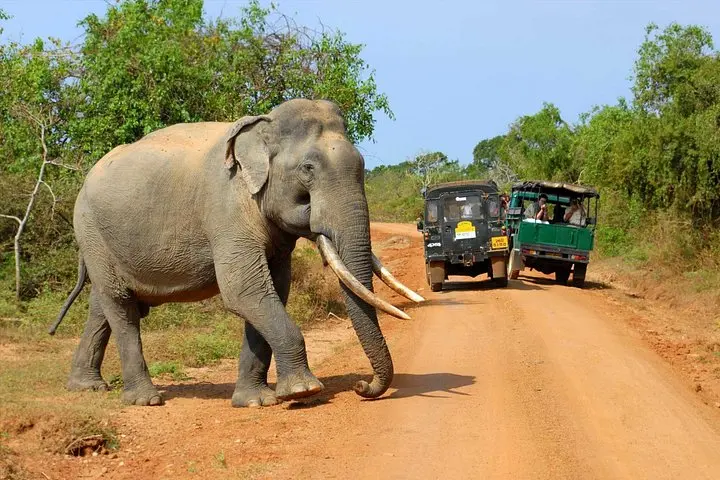
Culture on this route is tactile: temple priests tolling bells, roadside stalls frying hoppers, and small villages where tea picking follows generations-old rhythms. Wildlife shows up in unexpected places—elephants shadowing the road near national parks, spangled kingfishers hawking rivers, and macaques giving you a hard stare from a monastery wall. The itinerary balances beaches and rainforest, heritage sites like Sigiriya and Kandy, and game reserves where a dawn jeep ride reveals the country’s mammals at their most candid.
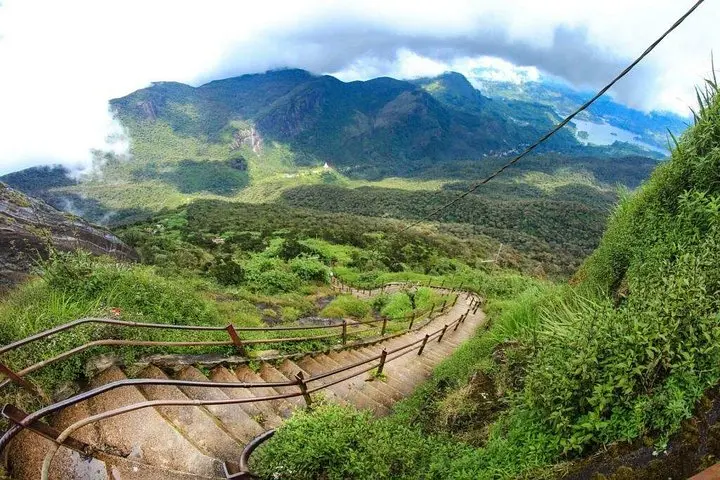
Practical navigation of a 17-day private tour depends on rhythm and packing light. Travel is by air-conditioned vehicle with onboard Wi‑Fi; days are long but broken by substantial stops—expect daily drives ranging from one to five hours depending on legs between sites. Sigiriya’s stairway climbs roughly 200 meters of elevation in stepped sections; basic stair fitness and steady shoes are more useful than mountaineering experience. Monsoon timing matters: the southwest sees heavy rains May–September; the northeast gets heavier showers in October–January. Plan sun-protected daytime activities for the first light and leave temple visits for cooler morning hours.
Health and logistics are straightforward: carry a small medical kit, mosquito repellent, and a refillable water bottle (tour includes bottled water). Wear quick-dry layers, sturdy walking shoes, and a light rain shell. Respect temple etiquette—cover shoulders and knees, remove shoes, and follow local customs. For those wanting greater immersion, add early-morning wildlife safaris, a tea-factory stop in the highlands, or a stay in a locally run guesthouse to hear stories that guidebooks don’t capture.
By the last evening back near Negombo the island’s variety is no longer a list but a sensation: the push of ocean air, the hush of rainforest canopy, and the hum of communities that have shaped this landscape for millennia. This is a trip that asks for curiosity, some stamina, and a readiness to let the island change your pace.
Yes — the tour starts and ends at Bandaranaike International Airport with private transportation provided.
Families can join, but infant seats are limited and some days have long drives; check with the operator about child-friendly accommodations.
For the broadest access to beaches and hill country, December to March is ideal; avoid peak southwest monsoon months if you want dryer coastal days.
The itinerary lists private transport and some amenities; confirm with the operator which meals and site entrance fees are included before booking.
Most travelers require an ETA/visa for Sri Lanka; recommended vaccinations and antimalarial advice depend on itinerary—consult your doctor before travel.
The tour is classified as moderate—expect daily walking, stair climbs like Sigiriya, and occasional uneven terrain; it’s not suitable for serious mobility limitations.
SKYLIT TOURS operates guided outdoor trips and adventures with an emphasis on safety, stewardship, and memorable experiences.

You step off the plane at Bandaranaike International Airport and the air already feels different—humid, warm, threaded with the distant clatter of tuk-tuks and the salt breath of the nearby coast. Over the next 17 days you move through Sri Lanka’s moods: the low, bone-white beaches of the west; green, monsoon-dark rainforests where tree trunks lean like old oars; tea-covered hills that slice the horizon; and granite outcrops topped by ancient palaces and frescoes that stare back at you.
You step off the plane at Bandaranaike International Airport and the air already feels different—humid, warm, threaded with the distant clatter of tuk-tuks and the salt breath of the nearby coast. Over the next 17 days you move through Sri Lanka’s moods: the low, bone-white beaches of the west; green, monsoon-dark rainforests where tree trunks lean like old oars; tea-covered hills that slice the horizon; and granite outcrops topped by ancient palaces and frescoes that stare back at you.
The island is compact but geologically varied. The lowlands around Negombo are alluvial plain and lagoons; push inland and you hit Precambrian rock around Sigiriya—a nearly 200-meter rock rising from flat plains, a human-made summit ringed by terraced gardens and 5th-century frescoes. Colonial ports like Galle tell a different story: sandstone ramparts and Dutch warehouses storing spices, bittersweet reminders of maritime trade that shaped the island’s culture and cuisine.
Culture on this route is tactile: temple priests tolling bells, roadside stalls frying hoppers, and small villages where tea picking follows generations-old rhythms. Wildlife shows up in unexpected places—elephants shadowing the road near national parks, spangled kingfishers hawking rivers, and macaques giving you a hard stare from a monastery wall. The itinerary balances beaches and rainforest, heritage sites like Sigiriya and Kandy, and game reserves where a dawn jeep ride reveals the country’s mammals at their most candid.
Practical navigation of a 17-day private tour depends on rhythm and packing light. Travel is by air-conditioned vehicle with onboard Wi‑Fi; days are long but broken by substantial stops—expect daily drives ranging from one to five hours depending on legs between sites. Sigiriya’s stairway climbs roughly 200 meters of elevation in stepped sections; basic stair fitness and steady shoes are more useful than mountaineering experience. Monsoon timing matters: the southwest sees heavy rains May–September; the northeast gets heavier showers in October–January. Plan sun-protected daytime activities for the first light and leave temple visits for cooler morning hours.
Health and logistics are straightforward: carry a small medical kit, mosquito repellent, and a refillable water bottle (tour includes bottled water). Wear quick-dry layers, sturdy walking shoes, and a light rain shell. Respect temple etiquette—cover shoulders and knees, remove shoes, and follow local customs. For those wanting greater immersion, add early-morning wildlife safaris, a tea-factory stop in the highlands, or a stay in a locally run guesthouse to hear stories that guidebooks don’t capture.
By the last evening back near Negombo the island’s variety is no longer a list but a sensation: the push of ocean air, the hush of rainforest canopy, and the hum of communities that have shaped this landscape for millennia. This is a trip that asks for curiosity, some stamina, and a readiness to let the island change your pace.