THE ADVENTURE COLLECTIVE® · Independent discovery and booking for outdoor travel

Cross nine countries in 19 days on a small-group circuit through the Balkans, from Bucharest to Dubrovnik and back via Transylvania. Expect UNESCO sites, coastal islands, cave trains and castle visits — with steady walking tours and modern minivan transport.
Cross nine countries in 19 days on a small-group circuit through the Balkans, from Bucharest to Dubrovnik and back via Transylvania. Expect UNESCO sites, coastal islands, cave trains and castle visits — with steady walking tours and modern minivan transport.
A low hum of the minivan, vinyl seats warmed by the morning sun, and the Danube sliding past like a seam between old empires — this is where the 19-day Balkans tour begins. From Bucharest you move with a small group through rolling plains, karst gorges, and Adriatic bays, each border crossing folding a new language and architectural voice into the itinerary.
Verified experiences and guided adventures in the surrounding area.
Operated by Guided Europe Tours · Bucharest, Bucharest
A low hum of the minivan, vinyl seats warmed by the morning sun, and the Danube sliding past like a seam between old empires — this is where the 19-day Balkans tour begins. From Bucharest you move with a small group through rolling plains, karst gorges, and Adriatic bays, each border crossing folding a new language and architectural voice into the itinerary.
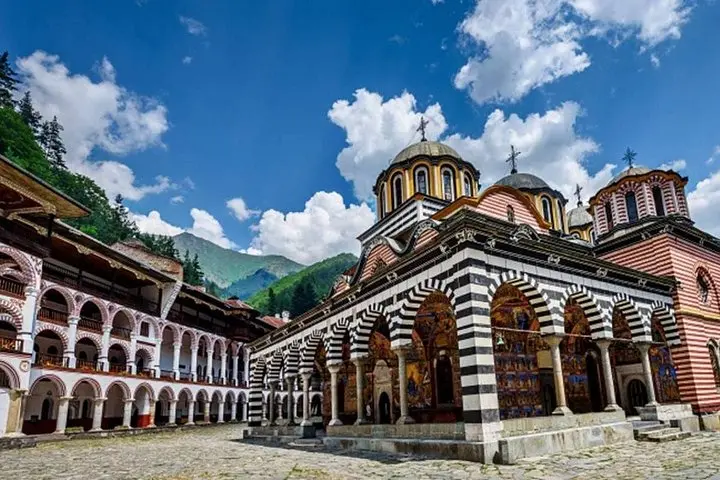
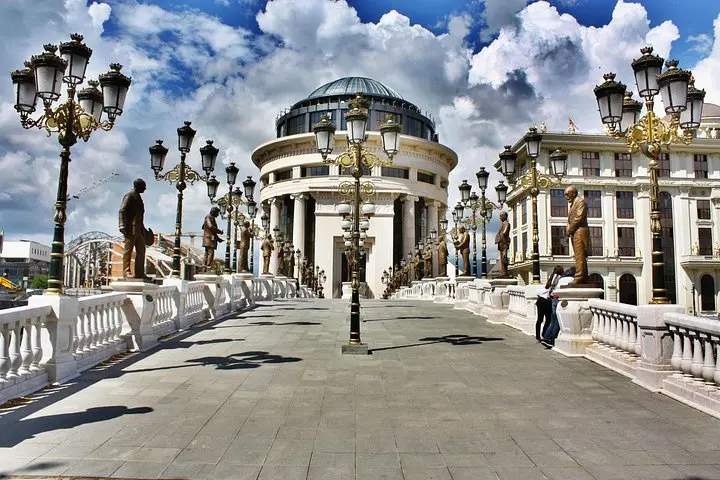
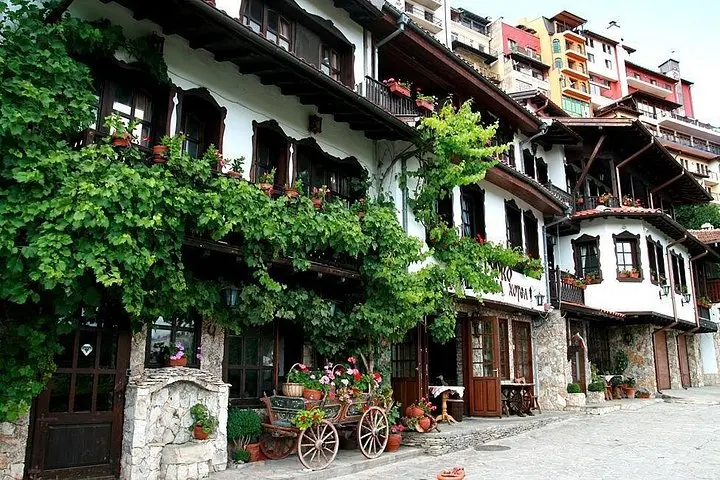
Centuries of history are visible at street level: Byzantine domes and Ottoman baths in Sofia, medieval ramparts in Kotor and Sighişoara, Habsburg boulevards in Timisoara and Zagreb. Geology steers the route too — the Dinaric Alps give way to limestone caves at Postojna, while Plitvice’s travertine dams and stepping pools change color with the light and demand slow, respectful walking. Local culture shifts from Orthodox ritual to Catholic and Ottoman legacies; expect lively bazaars, austere monasteries, and castle rooms that read like curated national narratives.
Practicalities matter on a trip that stitches nine countries together. Carry a valid passport, be ready for routine border checks, and pack footwear for 2–5 hour walking tours on mixed surfaces. Dress modestly for religious sites — shoulders and knees covered — and keep a compact daypack for water, layered clothing and a camera. The tour manager balances schedules and weather; remain flexible about the order of visits. Plan for moderate daily activity, early pickups, and the occasional bus-transfer nap. With measured pacing, this route delivers an immersive sweep of the Balkans: UNESCO sites, coastal flashes of Adriatic blue, and Transylvania’s layered legends — all accessible for travelers who like a lot of ground covered without roughing it.
Visa requirements depend on your nationality; check entry rules for all nine countries and carry a passport valid for at least six months.
Expect walking tours of 1–5 km for 2–5 hours depending on the site; routes include cobblestones, steps, and national park boardwalks.
Yes — the tour provides air-conditioned minivan transport and hotel pickup/drop-off as part of the itinerary across borders.
Notify the operator in advance via booking questions; breakfasts are included most days and local restaurants can usually meet common dietary requests.
Guided Europe Tours operates guided outdoor trips and adventures with an emphasis on safety, stewardship, and memorable experiences.
A low hum of the minivan, vinyl seats warmed by the morning sun, and the Danube sliding past like a seam between old empires — this is where the 19-day Balkans tour begins. From Bucharest you move with a small group through rolling plains, karst gorges, and Adriatic bays, each border crossing folding a new language and architectural voice into the itinerary.
A low hum of the minivan, vinyl seats warmed by the morning sun, and the Danube sliding past like a seam between old empires — this is where the 19-day Balkans tour begins. From Bucharest you move with a small group through rolling plains, karst gorges, and Adriatic bays, each border crossing folding a new language and architectural voice into the itinerary.
Centuries of history are visible at street level: Byzantine domes and Ottoman baths in Sofia, medieval ramparts in Kotor and Sighişoara, Habsburg boulevards in Timisoara and Zagreb. Geology steers the route too — the Dinaric Alps give way to limestone caves at Postojna, while Plitvice’s travertine dams and stepping pools change color with the light and demand slow, respectful walking. Local culture shifts from Orthodox ritual to Catholic and Ottoman legacies; expect lively bazaars, austere monasteries, and castle rooms that read like curated national narratives.
Practicalities matter on a trip that stitches nine countries together. Carry a valid passport, be ready for routine border checks, and pack footwear for 2–5 hour walking tours on mixed surfaces. Dress modestly for religious sites — shoulders and knees covered — and keep a compact daypack for water, layered clothing and a camera. The tour manager balances schedules and weather; remain flexible about the order of visits. Plan for moderate daily activity, early pickups, and the occasional bus-transfer nap. With measured pacing, this route delivers an immersive sweep of the Balkans: UNESCO sites, coastal flashes of Adriatic blue, and Transylvania’s layered legends — all accessible for travelers who like a lot of ground covered without roughing it.