THE ADVENTURE COLLECTIVE® · Independent discovery and booking for outdoor travel

A remote high-altitude loop from Chautara to Panch Pokhari that crosses rhododendron forests, Sherpa and Tamang villages, and panoramic ridgelines of the Jugal Himal. Expect long days, high camps and rich cultural encounters.
A remote high-altitude loop from Chautara to Panch Pokhari that crosses rhododendron forests, Sherpa and Tamang villages, and panoramic ridgelines of the Jugal Himal. Expect long days, high camps and rich cultural encounters.
The first steps leave Kathmandu’s bustle behind and climb into a patchwork of rice terraces, rhododendron forest and stone villages. At dawn the Jugal Himal ridgeline slices the sky; by afternoon the trail threads Tamang and Sherpa settlements where prayer flags snap like small alarms against the wind. The high point is Panch Pokhari — a series of five sacred lakes around 4,000 m — a seldom-visited pilgrimage basin that opens broad views of the Jugal and Langtang ranges.
Verified experiences and guided adventures in the surrounding area.
Operated by Shishu Tours & Travel · Kathmandu, Bagmati Province
The first steps leave Kathmandu’s bustle behind and climb into a patchwork of rice terraces, rhododendron forest and stone villages. At dawn the Jugal Himal ridgeline slices the sky; by afternoon the trail threads Tamang and Sherpa settlements where prayer flags snap like small alarms against the wind. The high point is Panch Pokhari — a series of five sacred lakes around 4,000 m — a seldom-visited pilgrimage basin that opens broad views of the Jugal and Langtang ranges.
Geology here is raw: eroded ridges, glacially carved valleys and moraine benches give way to alpine meadows above treeline. Culturally the route sits on the fringe of Helambu and Langtang traditions—local mani walls, prayer stones and seasonal yak pastures speak to a mixed Himalayan lifeway. Historically, these paths were trade and pilgrimage routes; Panch Pokhari remains an active pilgrimage site for Nepalese Hindus and Buddhists, especially during Janai Purnima.
Practically, expect long days of steady ascent and descent, rocky switchbacks, and camping in high meadows or basic tea-house tents. Altitude, weather swings and limited services demand layered clothing, steady pacing, and a conservative acclimatization plan. Water sources are frequent but treatable; carry 2–3 liters between refills. Best windows are spring and autumn for stable weather and rhododendron bloom, but shoulder seasons require flexible itineraries. Guides and porters are standard and recommended for route-finding and local support. For any trekker, the reward is quiet high-country panoramas, close cultural contact and the rare feeling of a route still off the main tourist radar.
You’ll need a TIMS card and Langtang National Park entry permit; these are typically arranged by the operator prior to departure.
Highest camps reach around 4,000 m at Panch Pokhari; altitude sickness is possible—pace yourself, hydrate and recognize symptoms early.
This itinerary uses a mix of tented camping and basic tea-house-style services in lower villages; the operator supplies sleeping bags and duffels as listed.
Autumn (Sept–Nov) and spring (Mar–May) provide the most stable weather and best visibility for panoramas.
Shishu Tours & Travel operates guided outdoor trips and adventures with an emphasis on safety, stewardship, and memorable experiences.
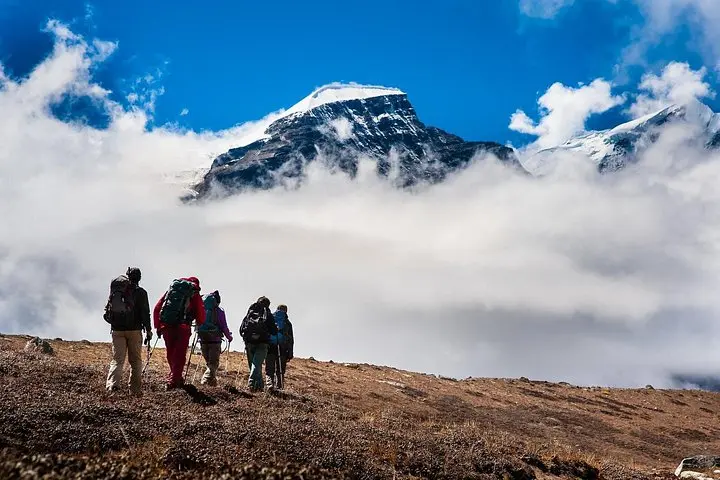
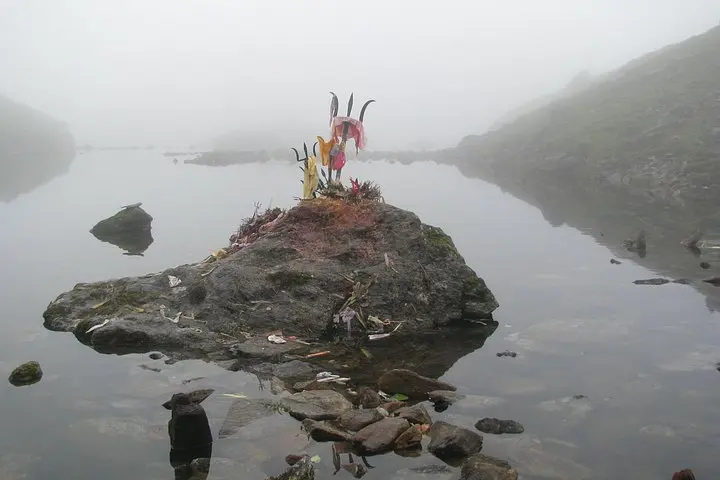
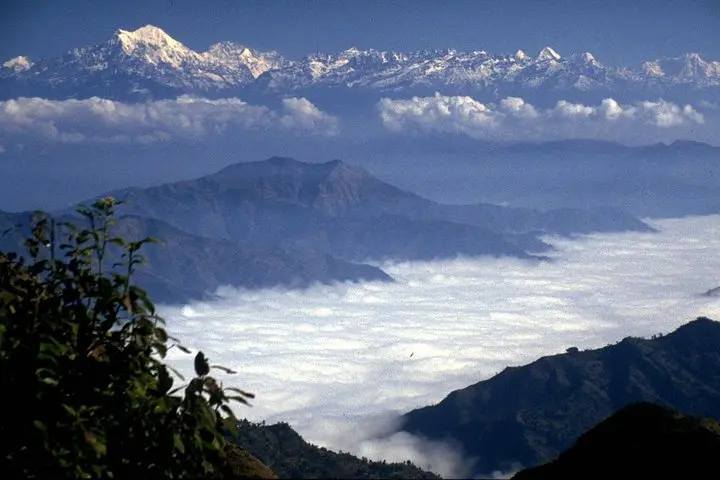
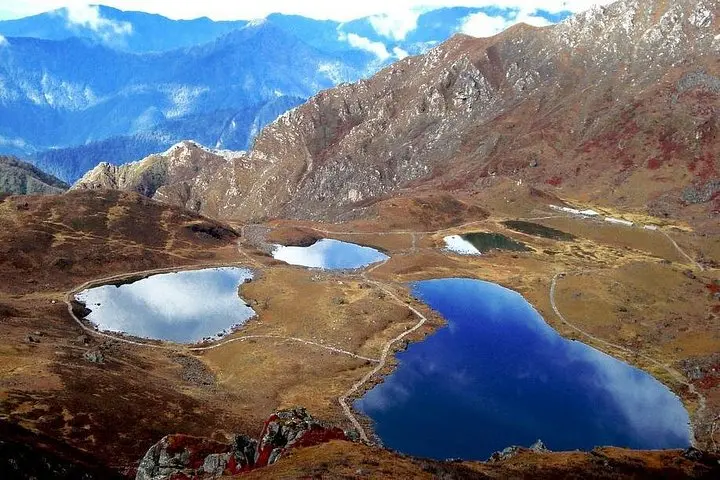
The first steps leave Kathmandu’s bustle behind and climb into a patchwork of rice terraces, rhododendron forest and stone villages. At dawn the Jugal Himal ridgeline slices the sky; by afternoon the trail threads Tamang and Sherpa settlements where prayer flags snap like small alarms against the wind. The high point is Panch Pokhari — a series of five sacred lakes around 4,000 m — a seldom-visited pilgrimage basin that opens broad views of the Jugal and Langtang ranges.
The first steps leave Kathmandu’s bustle behind and climb into a patchwork of rice terraces, rhododendron forest and stone villages. At dawn the Jugal Himal ridgeline slices the sky; by afternoon the trail threads Tamang and Sherpa settlements where prayer flags snap like small alarms against the wind. The high point is Panch Pokhari — a series of five sacred lakes around 4,000 m — a seldom-visited pilgrimage basin that opens broad views of the Jugal and Langtang ranges.
Geology here is raw: eroded ridges, glacially carved valleys and moraine benches give way to alpine meadows above treeline. Culturally the route sits on the fringe of Helambu and Langtang traditions—local mani walls, prayer stones and seasonal yak pastures speak to a mixed Himalayan lifeway. Historically, these paths were trade and pilgrimage routes; Panch Pokhari remains an active pilgrimage site for Nepalese Hindus and Buddhists, especially during Janai Purnima.
Practically, expect long days of steady ascent and descent, rocky switchbacks, and camping in high meadows or basic tea-house tents. Altitude, weather swings and limited services demand layered clothing, steady pacing, and a conservative acclimatization plan. Water sources are frequent but treatable; carry 2–3 liters between refills. Best windows are spring and autumn for stable weather and rhododendron bloom, but shoulder seasons require flexible itineraries. Guides and porters are standard and recommended for route-finding and local support. For any trekker, the reward is quiet high-country panoramas, close cultural contact and the rare feeling of a route still off the main tourist radar.