THE ADVENTURE COLLECTIVE® · Independent discovery and booking for outdoor travel

Visit two of southern Egypt’s most compelling experiences in 48 hours: the colossal, sun-soaked Abu Simbel temples and the serene Philae island sanctuary, capped by an authentic Nubian village visit. Practical, guided, and transport-included, this trip pairs monumental history with local culture.
Visit two of southern Egypt’s most compelling experiences in 48 hours: the colossal, sun-soaked Abu Simbel temples and the serene Philae island sanctuary, capped by an authentic Nubian village visit. Practical, guided, and transport-included, this trip pairs monumental history with local culture.
Standing on the sun-warmed stones before Abu Simbel, the colossi of Ramses II fill your field of view like the first line of a story written in granite. The desert air presses around the temple facades while the Nile, farther north in Aswan, keeps time with a slow, insistent patience that will guide the next day's quieter island temples and village visits.
Verified experiences and guided adventures in the surrounding area.
Operated by Icon Tours Egypt · Aswan, Aswan Governorate
Standing on the sun-warmed stones before Abu Simbel, the colossi of Ramses II fill your field of view like the first line of a story written in granite. The desert air presses around the temple facades while the Nile, farther north in Aswan, keeps time with a slow, insistent patience that will guide the next day's quieter island temples and village visits.
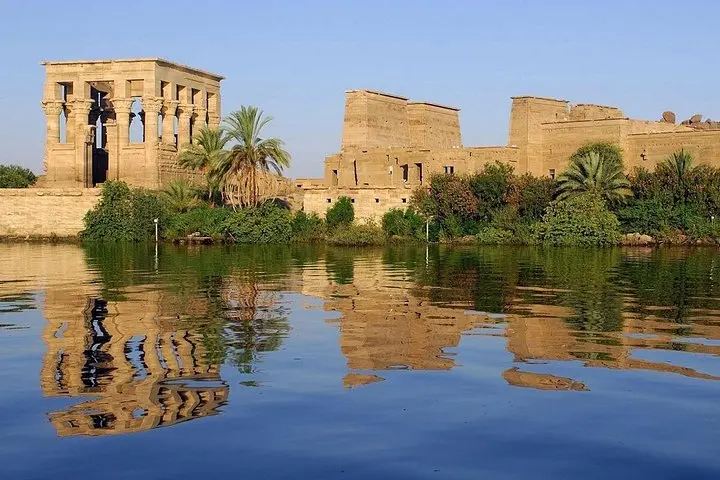
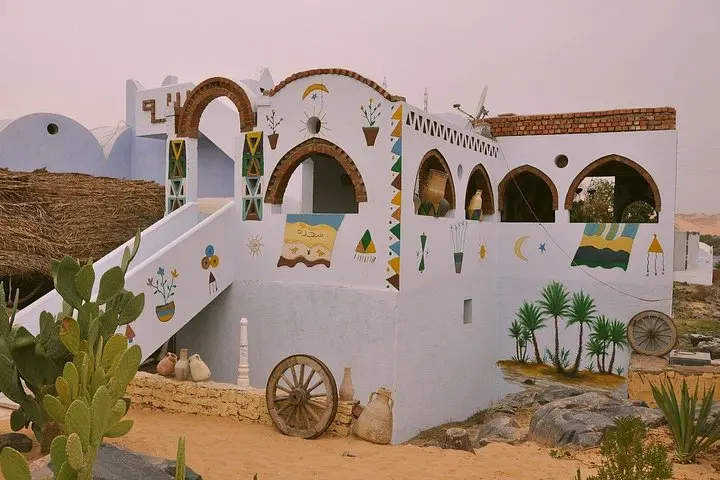
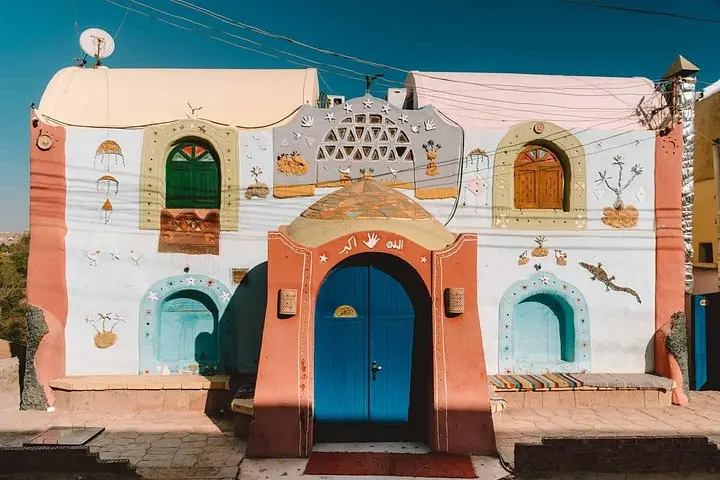
The itinerary pairs two eras: the imperial ambition of New Kingdom Egypt carved into sandstone at Abu Simbel and the island sanctuaries of Philae, relocated stone by stone during the Aswan High Dam project in the 1960s. Geology here is obvious—hard schist and sandstone shaped by millennia of wind and river—while Nubian culture offers a living contrast: bright houses, boat-building traditions, and language threads distinct from Cairo's.
Expect a mix of quick photo stops and paced exploration: large exterior monuments at Abu Simbel, intimate colonnades at Philae, and a community-led visit to a Nubian village with music, crafts, and home-cooked flavors. Guides typically explain hieroglyphic scenes, the solar alignment of the great temple, and the modern engineering that saved these sites.
Practicalities matter: travel between Aswan and Abu Simbel can be long; most tours include transport, meals, and admissions, and require basic mobility for short stairs and uneven surfaces. Hydration, midday shade, and respectful clothing for village visits will keep the focus on the experience. Whether you come for monumental architecture or cultural exchange, this two-day loop delivers concentrated history with reachable logistics.
The road trip is roughly 3–4 hours each way depending on vehicle and stops—tours typically schedule early departures to maximize time at the temples.
Most organized tours include entrance fees for Abu Simbel and Philae; confirm with your operator before booking.
Yes—village stops are community-based visits featuring local crafts, food, and cultural demonstrations, though offerings vary by operator.
Light, modest clothing covering shoulders and knees is recommended; comfortable shoes for uneven surfaces are important.
Icon Tours Egypt operates guided outdoor trips and adventures with an emphasis on safety, stewardship, and memorable experiences.
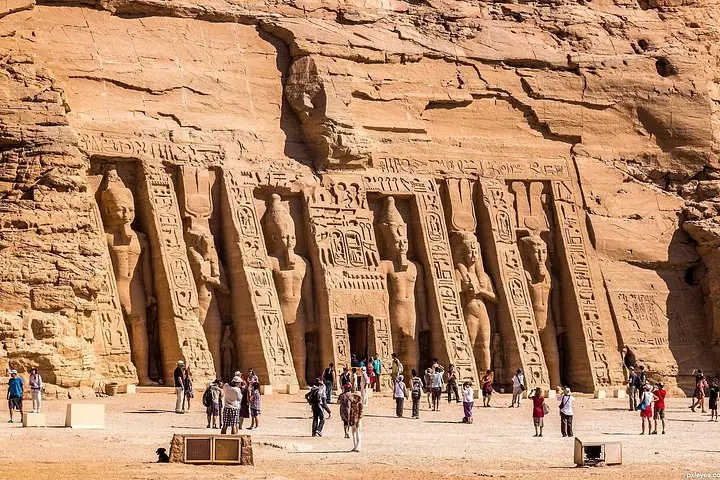
Standing on the sun-warmed stones before Abu Simbel, the colossi of Ramses II fill your field of view like the first line of a story written in granite. The desert air presses around the temple facades while the Nile, farther north in Aswan, keeps time with a slow, insistent patience that will guide the next day's quieter island temples and village visits.
Standing on the sun-warmed stones before Abu Simbel, the colossi of Ramses II fill your field of view like the first line of a story written in granite. The desert air presses around the temple facades while the Nile, farther north in Aswan, keeps time with a slow, insistent patience that will guide the next day's quieter island temples and village visits.
The itinerary pairs two eras: the imperial ambition of New Kingdom Egypt carved into sandstone at Abu Simbel and the island sanctuaries of Philae, relocated stone by stone during the Aswan High Dam project in the 1960s. Geology here is obvious—hard schist and sandstone shaped by millennia of wind and river—while Nubian culture offers a living contrast: bright houses, boat-building traditions, and language threads distinct from Cairo's.
Expect a mix of quick photo stops and paced exploration: large exterior monuments at Abu Simbel, intimate colonnades at Philae, and a community-led visit to a Nubian village with music, crafts, and home-cooked flavors. Guides typically explain hieroglyphic scenes, the solar alignment of the great temple, and the modern engineering that saved these sites.
Practicalities matter: travel between Aswan and Abu Simbel can be long; most tours include transport, meals, and admissions, and require basic mobility for short stairs and uneven surfaces. Hydration, midday shade, and respectful clothing for village visits will keep the focus on the experience. Whether you come for monumental architecture or cultural exchange, this two-day loop delivers concentrated history with reachable logistics.