THE ADVENTURE COLLECTIVE® · Independent discovery and booking for outdoor travel

Spend two days hiking Acatenango from Antigua to watch Fuego’s nighttime eruptions and catch a summit sunrise. This guided trek combines steep volcanic terrain, insulated basecamp cabins, and local community support.
Spend two days hiking Acatenango from Antigua to watch Fuego’s nighttime eruptions and catch a summit sunrise. This guided trek combines steep volcanic terrain, insulated basecamp cabins, and local community support.
Dust from the minibus lifts as it climbs away from Antigua’s cobbled streets and coffee farms. Pine and scrub give way to volcanic scree; the air thins and the sky sharpens. By nightfall the cabins at basecamp glow like lanterns while Fuego, the neighboring volcano, punctuates darkness with incandescent bursts that seem to dare you closer.
Verified experiences and guided adventures in the surrounding area.
Operated by Pachamama Tours · Antigua Guatemala, Sacatepéquez
Dust from the minibus lifts as it climbs away from Antigua’s cobbled streets and coffee farms. Pine and scrub give way to volcanic scree; the air thins and the sky sharpens. By nightfall the cabins at basecamp glow like lanterns while Fuego, the neighboring volcano, punctuates darkness with incandescent bursts that seem to dare you closer.
Acatenango is a classic stratovolcano formed by the subduction of the Cocos Plate beneath the Caribbean Plate; together with Fuego it creates one of Central America’s most dramatic volcanic pairs. The ridge has long been part of local livelihoods—terraced fields and small communities below Antigua—while contemporary guides combine traditional knowledge with modern safety practices. This particular guided itinerary supports local social projects, so your visit also contributes to community programs.
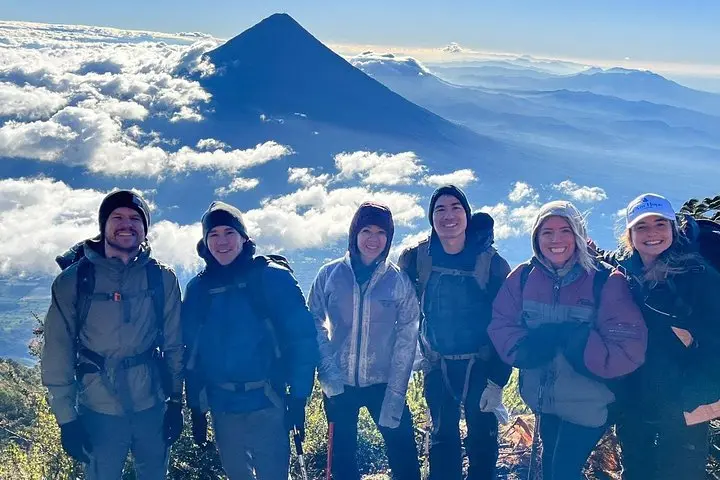
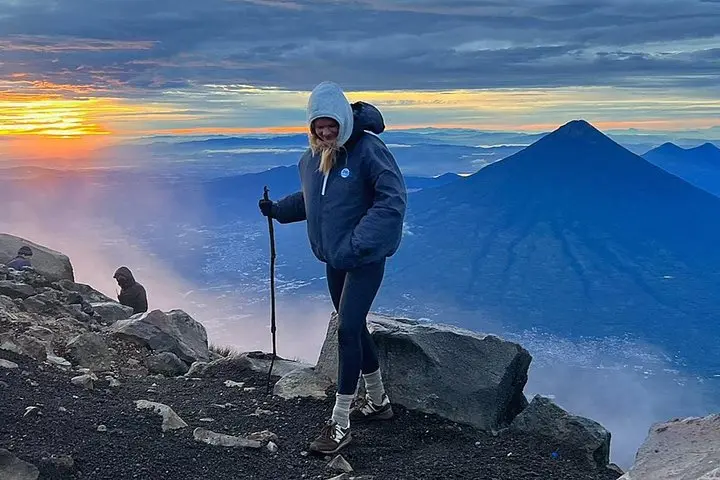
Expect a sustained 6–8 hour ascent on day one to reach insulated wooden cabin basecamp at roughly 3,500 m, followed by an early 4 AM summit push on day two for a sunrise at about 3,976 m (summit ridgeline). Terrain alternates between packed trail, loose volcanic scree and short steep sections that demand deliberate footing. Nights are cold; Fuego’s eruptions are visible and audible from safe observation distances provided by guides.
Practical notes: carry at least 2 liters of water, layers for high-altitude cold, a reliable headlamp, and sturdy boots with good traction. Allow time to acclimatize if coming from low elevation, and plan for limited facilities—pack out waste and follow guide instructions closely for safety around active volcanic activity.
The hike to basecamp typically takes 6–8 hours on varied terrain; it’s sustained uphill with sections of loose scree, so moderate to strong fitness is needed.
Fuego is highly active and erupts frequently; from this tour’s established observation points you can safely watch incandescent bursts and ash plumes when activity is ongoing.
Guides provide insulated wooden cabins with sleeping bags and basic bedding; capacity is shared and facilities are rustic but warm and secure.
Yes—if you arrive from near sea level, expect possible shortness of breath and fatigue above 3,000 m; drink water, move slowly, and inform guides about symptoms.
Pachamama Tours operates guided outdoor trips and adventures with an emphasis on safety, stewardship, and memorable experiences.
Dust from the minibus lifts as it climbs away from Antigua’s cobbled streets and coffee farms. Pine and scrub give way to volcanic scree; the air thins and the sky sharpens. By nightfall the cabins at basecamp glow like lanterns while Fuego, the neighboring volcano, punctuates darkness with incandescent bursts that seem to dare you closer.
Dust from the minibus lifts as it climbs away from Antigua’s cobbled streets and coffee farms. Pine and scrub give way to volcanic scree; the air thins and the sky sharpens. By nightfall the cabins at basecamp glow like lanterns while Fuego, the neighboring volcano, punctuates darkness with incandescent bursts that seem to dare you closer.
Acatenango is a classic stratovolcano formed by the subduction of the Cocos Plate beneath the Caribbean Plate; together with Fuego it creates one of Central America’s most dramatic volcanic pairs. The ridge has long been part of local livelihoods—terraced fields and small communities below Antigua—while contemporary guides combine traditional knowledge with modern safety practices. This particular guided itinerary supports local social projects, so your visit also contributes to community programs.
Expect a sustained 6–8 hour ascent on day one to reach insulated wooden cabin basecamp at roughly 3,500 m, followed by an early 4 AM summit push on day two for a sunrise at about 3,976 m (summit ridgeline). Terrain alternates between packed trail, loose volcanic scree and short steep sections that demand deliberate footing. Nights are cold; Fuego’s eruptions are visible and audible from safe observation distances provided by guides.
Practical notes: carry at least 2 liters of water, layers for high-altitude cold, a reliable headlamp, and sturdy boots with good traction. Allow time to acclimatize if coming from low elevation, and plan for limited facilities—pack out waste and follow guide instructions closely for safety around active volcanic activity.