THE ADVENTURE COLLECTIVE® · Independent discovery and booking for outdoor travel

A compact 48‑hour cultural circuit from Bangalore: fly to Delhi, drive to Agra, and take in the Taj Mahal at sunrise or Mehtab Bagh at sunset, plus Agra Fort and local highlights. Ideal for travelers who want efficient logistics with a guided visit.
A compact 48‑hour cultural circuit from Bangalore: fly to Delhi, drive to Agra, and take in the Taj Mahal at sunrise or Mehtab Bagh at sunset, plus Agra Fort and local highlights. Ideal for travelers who want efficient logistics with a guided visit.
You step off the plane in Delhi and the plain of the Yamuna spreads out, flat and patient, the river daring you toward the white glow of the Taj across the city.
Verified experiences and guided adventures in the surrounding area.
Operated by SITA World Tours · Agra, Uttar Pradesh
You step off the plane in Delhi and the plain of the Yamuna spreads out, flat and patient, the river daring you toward the white glow of the Taj across the city.
Over two days you'll travel by air from Bangalore, drive roughly 3–4 hours (about 230 km) from Delhi Airport to Agra and spend one night in a mid-range hotel. Wake early to see the Taj Mahal in morning light or wait at Mehtab Bagh for the marble to soften at sunset; both views teach different lessons in shadow and scale.
Agra sits at about 170 m elevation on the Indo-Gangetic plain. The city’s architecture is Mughal — red sandstone ramparts at Agra Fort and the white-marble mausoleum Shah Jahan commissioned in the 17th century. Itmad-ud-Daulah (the “Baby Taj”) and riverside gardens speak to the era’s garden-and-water engineering; the Yamuna once powered the city’s life and logistics.
Practicalities are straightforward: the Taj is closed on Fridays, carry passport copies (you’ll need ID for booking), and expect 2–4 hours of walking across flagged paths and courtyards. Wear supportive shoes for uneven stone thresholds and plan for heat in summer; winters are cool and dry.
Guided visits speed entry and explain inlay work, calligraphy bands and conservation challenges. Bring water, sun protection, and enough memory on your camera — the angles multiply the closer you look. The trip is compact, culturally intense, and designed for travelers who want efficient logistics with time to absorb one of the world’s most photographed monuments.
No. The Taj Mahal is closed to visitors on Fridays; plan your visit on another day or adjust your schedule accordingly.
The drive typically takes 3–4 hours via Yamuna Expressway, depending on traffic and your exact arrival terminal.
International travelers must carry a valid passport and appropriate visa; passport details are required at booking and for hotel check-in.
Yes—expect 2–4 hours of walking across flat but uneven surfaces at the Taj and Agra Fort; bring comfortable shoes and water.
SITA World Tours operates guided outdoor trips and adventures with an emphasis on safety, stewardship, and memorable experiences.



You step off the plane in Delhi and the plain of the Yamuna spreads out, flat and patient, the river daring you toward the white glow of the Taj across the city.
You step off the plane in Delhi and the plain of the Yamuna spreads out, flat and patient, the river daring you toward the white glow of the Taj across the city.
Over two days you'll travel by air from Bangalore, drive roughly 3–4 hours (about 230 km) from Delhi Airport to Agra and spend one night in a mid-range hotel. Wake early to see the Taj Mahal in morning light or wait at Mehtab Bagh for the marble to soften at sunset; both views teach different lessons in shadow and scale.
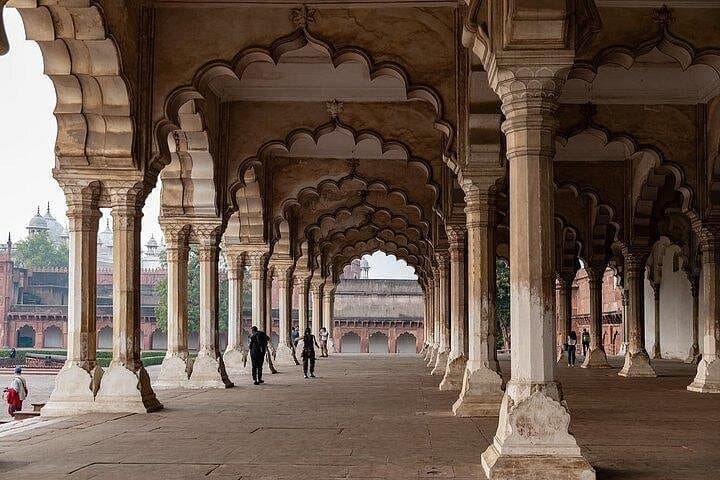
Agra sits at about 170 m elevation on the Indo-Gangetic plain. The city’s architecture is Mughal — red sandstone ramparts at Agra Fort and the white-marble mausoleum Shah Jahan commissioned in the 17th century. Itmad-ud-Daulah (the “Baby Taj”) and riverside gardens speak to the era’s garden-and-water engineering; the Yamuna once powered the city’s life and logistics.
Practicalities are straightforward: the Taj is closed on Fridays, carry passport copies (you’ll need ID for booking), and expect 2–4 hours of walking across flagged paths and courtyards. Wear supportive shoes for uneven stone thresholds and plan for heat in summer; winters are cool and dry.
Guided visits speed entry and explain inlay work, calligraphy bands and conservation challenges. Bring water, sun protection, and enough memory on your camera — the angles multiply the closer you look. The trip is compact, culturally intense, and designed for travelers who want efficient logistics with time to absorb one of the world’s most photographed monuments.