THE ADVENTURE COLLECTIVE® · Independent discovery and booking for outdoor travel

Swap Andean cool for humid rainforest in this compact two-day Amazon experience from Quito. Expect jungle hikes, river tubing, a Kichwa community visit, and wildlife-focused stops along the Napo.
Swap Andean cool for humid rainforest in this compact two-day Amazon experience from Quito. Expect jungle hikes, river tubing, a Kichwa community visit, and wildlife-focused stops along the Napo.
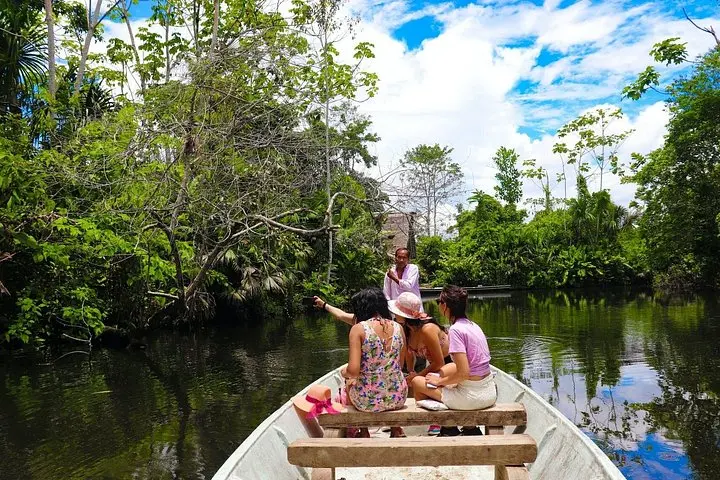
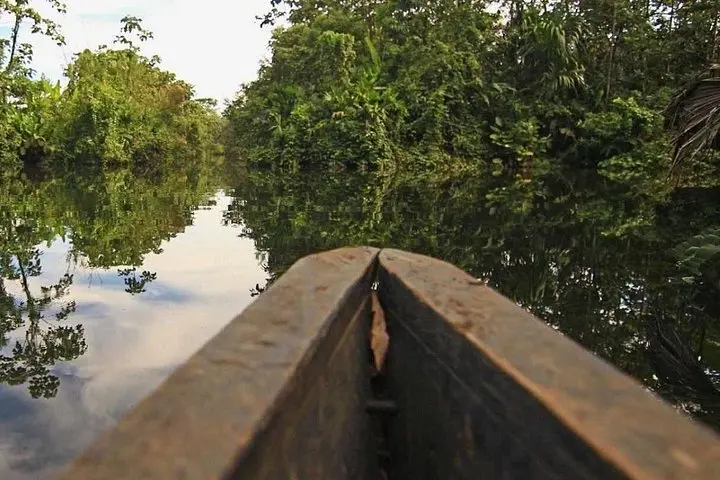
A morning mist lifts from the Napo’s tributaries as the minivan leaves Quito; by afternoon the air has thickened into a warm, green silence broken by bird calls and the slap of paddles.
Verified experiences and guided adventures in the surrounding area.
Operated by Perfect Destiny · Tena, Napo
A morning mist lifts from the Napo’s tributaries as the minivan leaves Quito; by afternoon the air has thickened into a warm, green silence broken by bird calls and the slap of paddles.
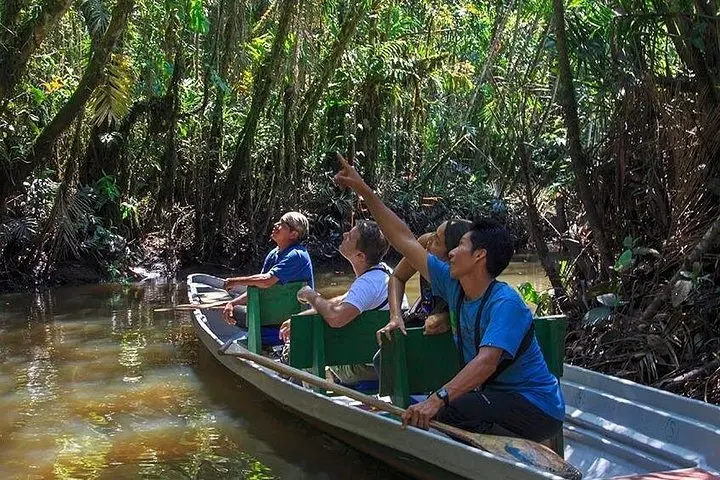
Over two days, travelers move from Andean pavement to muddy riverbank—an abrupt geography lesson where young Amazonian alluvium spreads across a flat basin carved by millennia of riverine deposition. Guides point out giant ceibo trees and stands of palms while explaining how the Napo’s seasonal floods shape local farms and wildlife corridors.
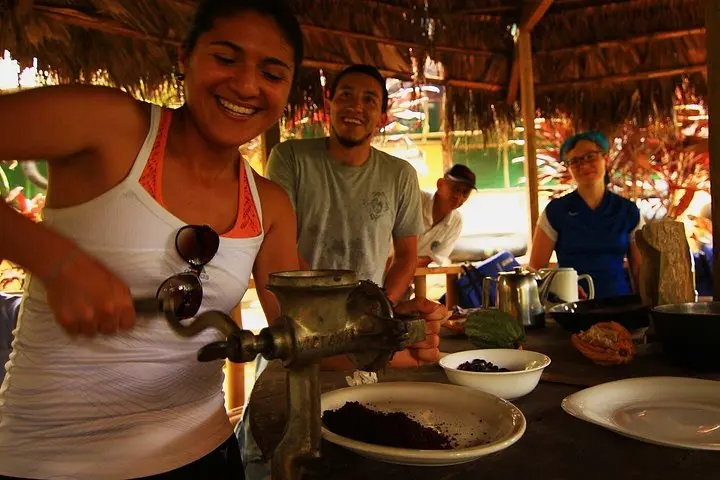
Cultural threads run close: a visit to a Kichwa community includes traditional yuca chicha, blowpipe demonstrations, and pottery-making—practical knowledge born from generations living with the forest’s rhythms. Conservation shows up in small places: a local rescue center highlighting rehabilitation efforts for macaws and small mammals, and community programs that balance tourism with resource use.
Expect muddy ecological trails, an afternoon of river tubing from a private Pusuno River beach, a motorized-canoe ride along the Napo, and a night walk where the forest’s nocturnal life stages a cacophony. Guides provide context, safety gear, and local interpretation; lodging is a simple riverside cabin with private bath.
Practical edge: bring rubber boots, a rain jacket, and a headlamp; carry cash for modest handicraft purchases; allow time for wet-weather itinerary changes. The route prioritizes access to wildlife viewing and cultural exchange over speed—go ready to slow down and let the river dare you forward.
The ground transfer and river segments take several hours; expect a full-day transit on arrival day with stops for lunch and short walks.
No specific vaccinations are mandatory for entry, but common recommendations include routine vaccines and considering yellow fever and antimalarial guidance—consult a travel health clinic.
Yes—operators note the program is suitable for most fitness levels, but parents should consider long transfers and wet conditions when traveling with young children.
Local operators can often accommodate dietary needs if notified during booking; bring snacks for specific preferences.
Perfect Destiny operates guided outdoor trips and adventures with an emphasis on safety, stewardship, and memorable experiences.
A morning mist lifts from the Napo’s tributaries as the minivan leaves Quito; by afternoon the air has thickened into a warm, green silence broken by bird calls and the slap of paddles.
A morning mist lifts from the Napo’s tributaries as the minivan leaves Quito; by afternoon the air has thickened into a warm, green silence broken by bird calls and the slap of paddles.
Over two days, travelers move from Andean pavement to muddy riverbank—an abrupt geography lesson where young Amazonian alluvium spreads across a flat basin carved by millennia of riverine deposition. Guides point out giant ceibo trees and stands of palms while explaining how the Napo’s seasonal floods shape local farms and wildlife corridors.
Cultural threads run close: a visit to a Kichwa community includes traditional yuca chicha, blowpipe demonstrations, and pottery-making—practical knowledge born from generations living with the forest’s rhythms. Conservation shows up in small places: a local rescue center highlighting rehabilitation efforts for macaws and small mammals, and community programs that balance tourism with resource use.
Expect muddy ecological trails, an afternoon of river tubing from a private Pusuno River beach, a motorized-canoe ride along the Napo, and a night walk where the forest’s nocturnal life stages a cacophony. Guides provide context, safety gear, and local interpretation; lodging is a simple riverside cabin with private bath.
Practical edge: bring rubber boots, a rain jacket, and a headlamp; carry cash for modest handicraft purchases; allow time for wet-weather itinerary changes. The route prioritizes access to wildlife viewing and cultural exchange over speed—go ready to slow down and let the river dare you forward.